

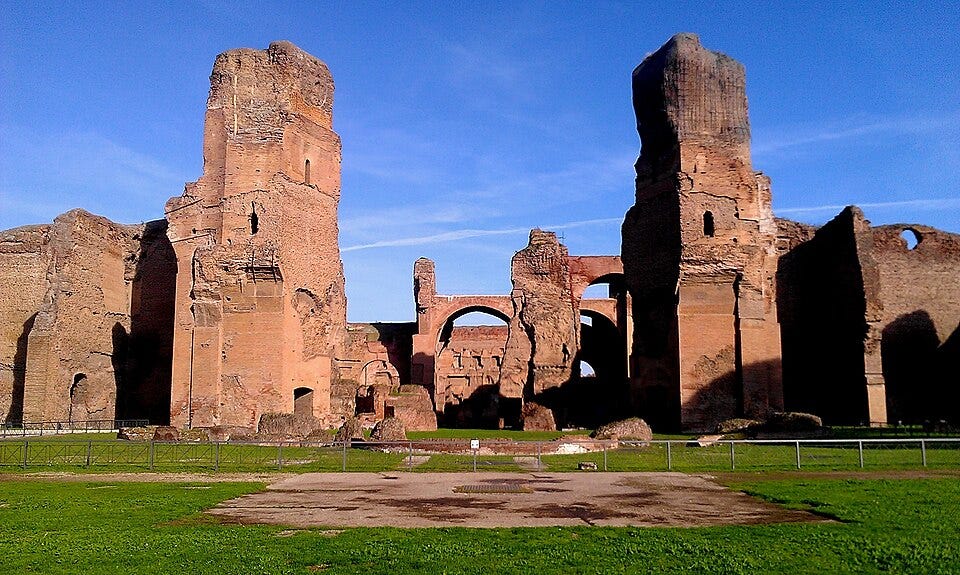
Rome is stunning in December. Umbrella pines, broad piazzas, weathered marble, and ancient brick catch the soft afternoon sun while café tables spill onto streets cool enough to wander for hours. A tan cashmere scarf wrapped around my neck against the morning chill in the Roman Forum.
Then I returned in July and found out our apartment had no working air conditioning.
A single AC box sat in the living room, dead. Enthusiasm for Rome evaporated. I spent three restless nights sweating through the sheets while a neighbor cheerfully told us to just open the windows for the refreshing evening breeze.
There was no breeze.
Just endless, still heat in the damp room, one small fan pushing the same hot air back and forth.
The heat problem is growing elsewhere in Europe.
France Swelters

France hit its hottest day ever this week: 105°F in Paris, over 100,000 homes without power, the Eiffel Tower closing early. Half the country is under red alert, with nothing close to American-style AC to fall back on.
Rome’s Ancient Solution to Heat and Hygiene
Two thousand years ago, a few hundred miles south, Rome built something at a scale that makes a dead AC unit look almost quaint, and the heat had nothing to do with why.
Most Romans had nowhere to bathe at home. Apartment blocks had no plumbing worth the name, so public baths weren’t a luxury; they were the only hygiene most of the city had access to. The Baths of Caracalla spanned sixty-two acres and ran on fifty wood-fired furnaces working through four kilometers of underground tunnels.
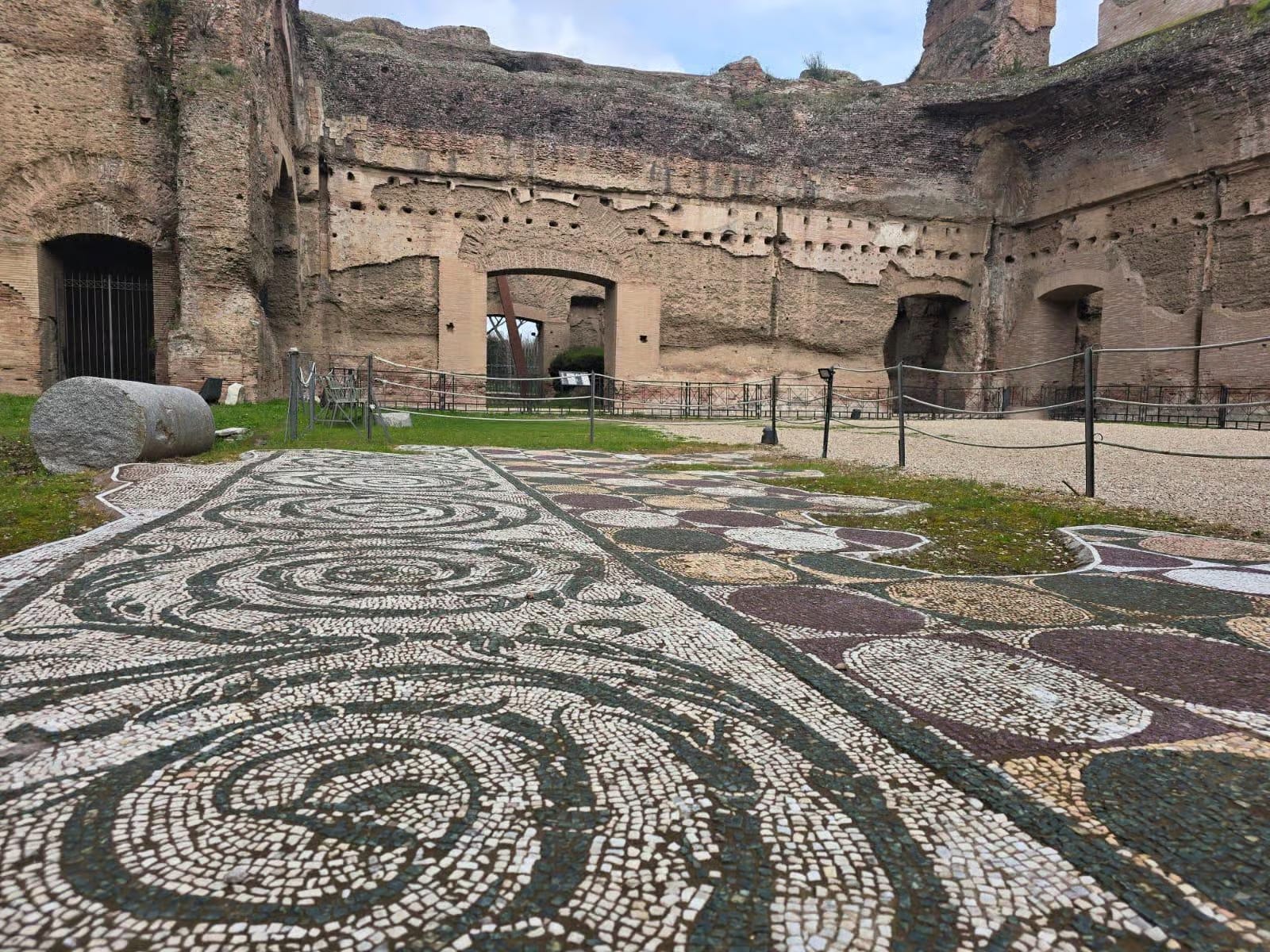
The main building alone rose 145 feet from floor to roofline, with entrances built on a scale meant to make a visitor feel small before they even reached the water. Ten tons of wood, every single day, just to keep the water hot. Up to eight thousand Romans passed through daily: cold plunge, warm room, hot room, and back again, all of it free.
But hygiene was just part of the reasoning for the massive stone baths. Nobody needs a dome nearly as wide as the Pantheon’s, held up on eight columns and ringed with glass that let in heat as well as light, just to get clean. That’s what power looks like when the budget has no ceiling.
Thirteen thousand prisoners of war from a Scottish campaign leveled the site. Six thousand tradesmen laid twenty-one million bricks. It was statecraft, not charity.
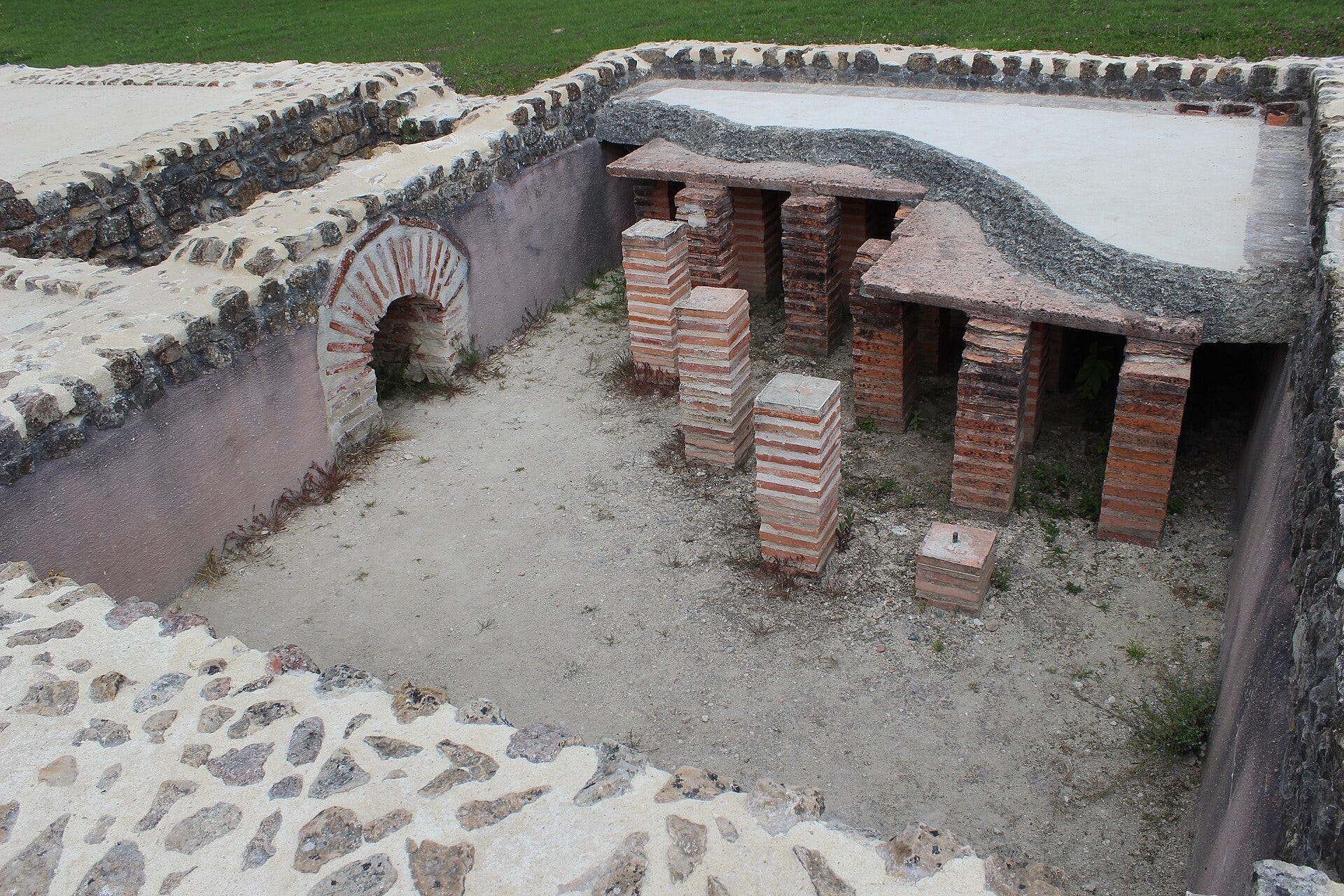
A senator and a freedman stood in the same pool, and for an hour, neither one was above the other. One Roman’s epitaph put it plainly: baths, wine, and sex ruin the body, but baths, wine, and sex are what make a life worth living.
It ran for three hundred years, until the Goths cut the aqueducts in 537 AD and the water simply stopped.
But the baths were the showpiece. The real answer to Mediterranean summer was less obvious, and it’s still standing all over southern Europe: walls thick enough to absorb a day’s heat before it reaches you, windows small enough to keep the sun out, shutters closed by noon and opened again after dark, the siesta built around the worst of it. None of it required a furnace or a power grid. It required knowing the heat was coming, every year, and building your life around that fact in advance.
The old system has a ceiling, and France just broke through it. Thick walls slow heat down; they don’t stop it. A shutter closed at noon does nothing once the air itself is the problem. At 100 degrees, it’s too hot to just open a window and wait for the breeze. Past a certain point, the only thing left is a machine.
America’s Solution to Heat - Supersized AC
Which is roughly the scene playing out online this week, with a punchline attached. The World Cup has brought thousands of Europeans to American soil for the first time, and they’re getting a firsthand look at how the country handles heat.

A German fan filmed himself shivering, then comfortable, then shivering again inside AT&T Stadium in Dallas, where 72 degrees Fahrenheit is normal when it’s 100 degrees outside. They flew in expecting to suffer and found Americans had pummelled the heat problem out of existence, room by room, machine by machine.
It’s the same instinct Rome had at Caracalla, run through the tools of a different century. Furnaces and tunnels, or compressors and ductwork: every culture that takes its climate seriously eventually builds a machine to fight it. Stone that breathes, trees that shade, water you sit in instead of air you cool, those still work too, when someone keeps the routine alive.
History says France will figure this out. Summers there are only getting hotter, and the debate over how to handle it, more air conditioning, more trees, better-built buildings, is really just the latest version of a question every hot civilization eventually answers.
Rome answered it with slaves and ten tons of wood a day. The Germans shivering in a Dallas stadium are proof that someone always finds the next answer. France just hasn't found theirs yet.
Past Passport is a history publication with an optimistic streak. Every generation thinks its problems are unprecedented. They rarely are. Also writing about AI: what works, what doesn't.
AI Tip - Projects in Claude
Make sure you create a new project in Claude for whatever you work on daily. This is the one I actually use every day. Sidebar, Projects, New Project. I dropped in my voice doc, my style frameworks, old drafts, research notes, and anything I’d normally have to re-explain. Now, every chat in that project already knows it all.
One project for Past Passport. I stopped re-pasting the same four paragraphs of context into every new chat, which is what I used to do before this existed.
Europe’s old system worked when the heat stayed within a certain range. Once the air itself gets too hot, stone walls and shutters can only do so much.