

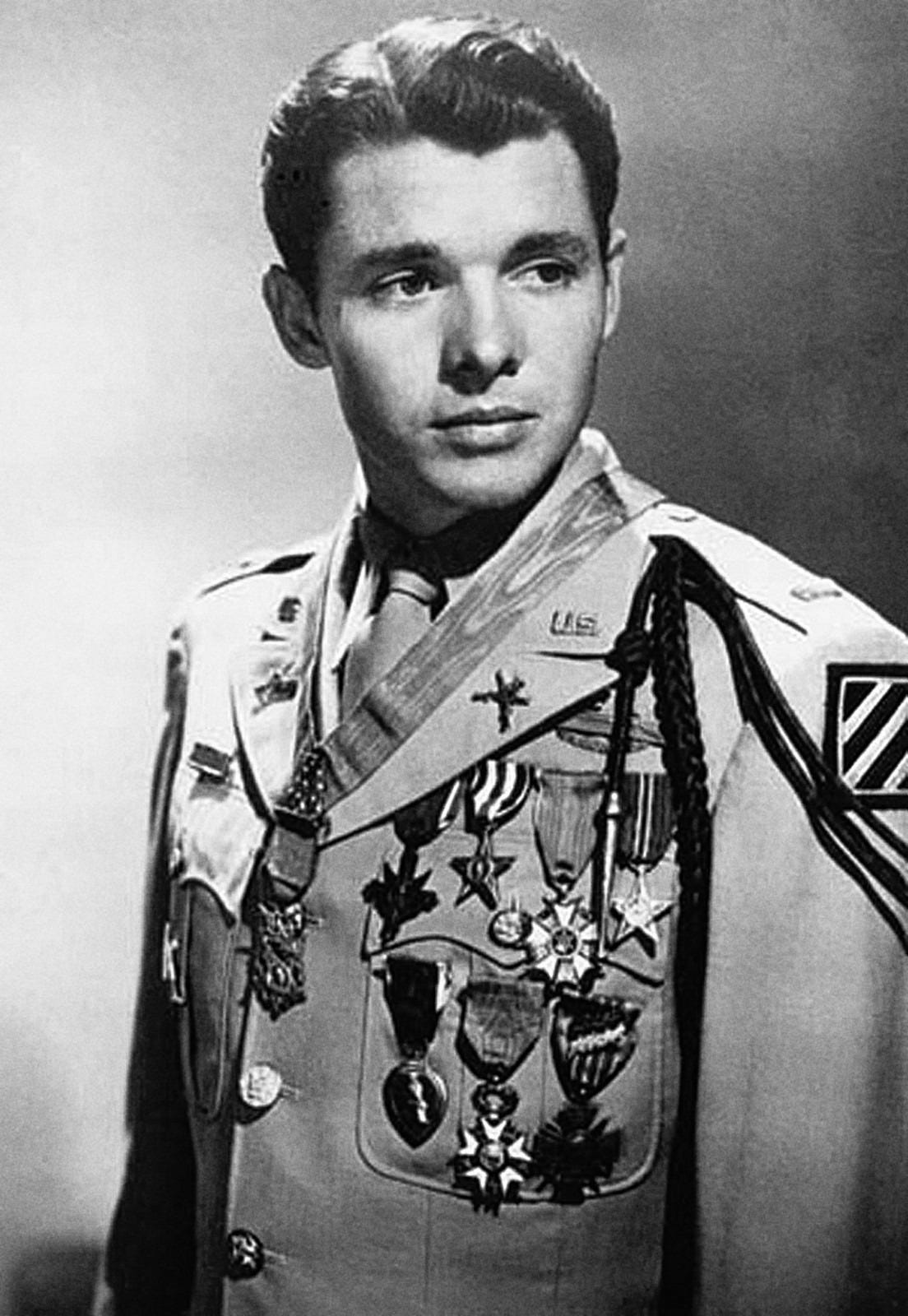
“Now there’ll be times when you’ll be scared to death,” Audie Murphy told a jittery new replacement. “I’m always scared when we’re up front.”
You’d never guess it from the piles of dead Germans he left in his wake.
Murphy stood 5’5½ and weighed 112 pounds soaking wet. The Marines and the paratroopers wanted nothing to do with the baby-faced kid from Texas.
Then one January afternoon in France, the legend was born.
He climbed onto a burning tank destroyer in a rage and held off six German tanks and waves of infantry for an hour with its .50-caliber machine gun. A one-man wrecking crew, he killed or wounded about 50 Germans.
When the ammunition ran out, he climbed down, wounded, and went back to lead the counterattack anyway.
I think about that badassery every time I drive past the Audie Murphy Museum in Greenville, Texas.
We’ve all felt that twist of fear in our guts. The waiting room before the diagnosis. The phone ringing at 2:15 AM. Murphy described fear as “a cold hand reaching into my guts and twisting them both into knots.”
He felt it before every fight, and he still turned into a one-man army anyway.
Today I’d like to look at how he kept his head in moments that would have shattered most of us.
This one’s free. Subscribers get two deep dives a week on the legends behind history’s great stories like this.
Let Your Training Take Over
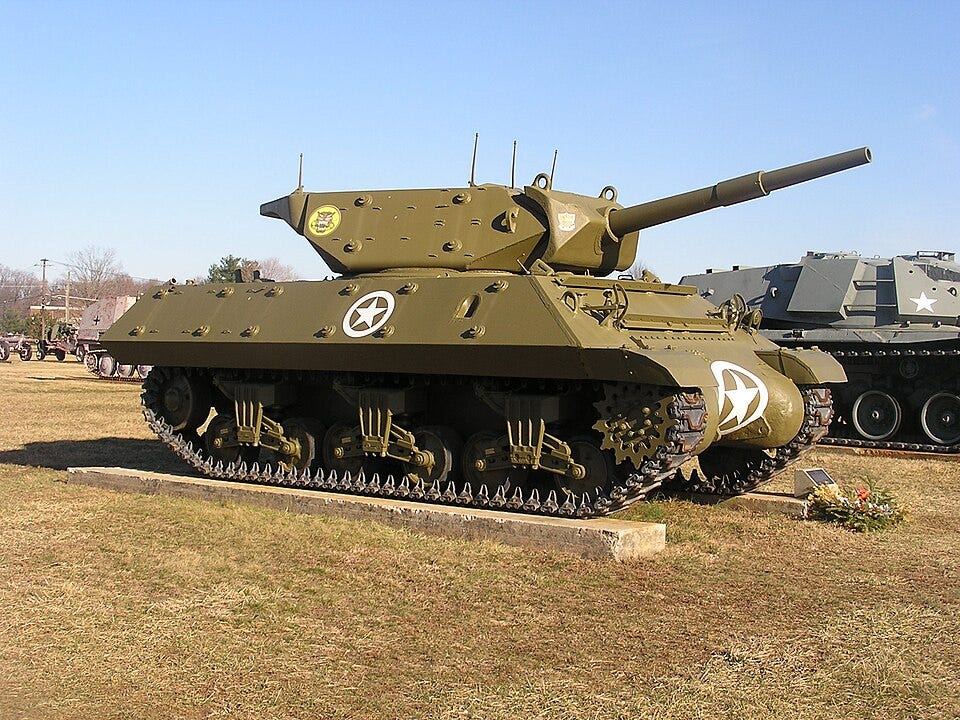
A German shell had torn into the M10 tank destroyer, and black smoke was pouring out of its open turret. The crew had already bailed out. Fuel and ammunition were cooking inside, and it could have blown any second.
This part impressed the hell out of me. Disregarding his own safety, Murphy climbed on top anyway. Didn’t stop to think. He didn’t have time.
He swung the .50 caliber toward the German infantry and cut them down like bowling pins, the field phone pressed to his ear the whole time, calling artillery closer and closer to his own position.
When the officer on the other end asked how close the Germans were, Murphy later said he told him to hold the phone, and he’d let him talk to one.
A little dry humor under fire, from a man running on muscle memory.
“While the action was going on, some part of my mind shut off, and my training and discipline took over,” he explained. “I did what I had to do.”
The army drilled that into men. Field strip your rifle blindfolded. Do it again. Run the drill until you’re sick of it, then run it twice more. Old sergeants say you don’t rise to the occasion; you sink to the level of your training.
Science backs them up.
Yale psychiatrist Charles Morgan studied soldiers in some of the military’s most brutal survival training. The ones who kept their heads, mostly Special Forces, had more of a brain chemical called neuropeptide Y, which steadies you under stress.
You’ve seen it in the ER nurse who doesn’t flinch, or the pilot who lands on a carrier with one engine out. I’ve noticed a bit in myself with firearms training.
Fire that 9mm pistol well enough and often enough, and accuracy becomes almost automatic. How well I’d fare under fire, though, I can’t say.
Muscle memory isn’t glamorous. Hours of the same boring thing.
Then one day it saves your life.
Fight for the Guy Beside You
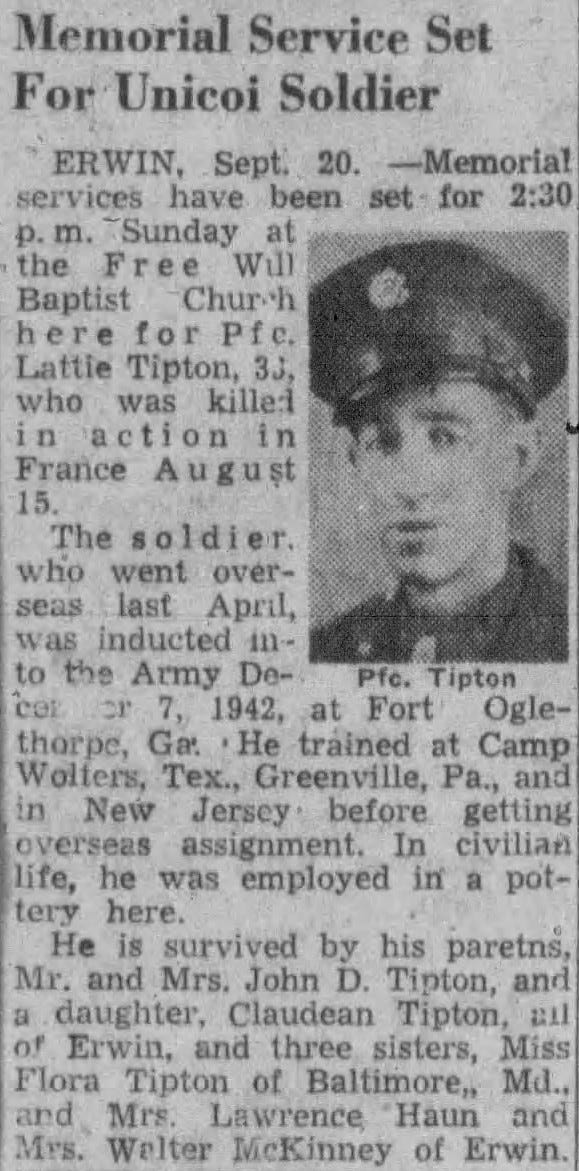
Lattie Tipton was a farm boy from Erwin, Tennessee. He and Murphy had shared a foxhole since Sicily, best friends who knew everything about each other.
On a ridge in southern France, a white flag rose from a German machine-gun nest. Tipton stood up to take the surrender.
The gun opened up and killed him.
Murphy was enraged, and all hell broke loose. What he did next is a story for another day.
He never pretended he fought for speeches or flags. “Loyalty to your comrades,” he said, “has more to do with bravery in battle than even patriotism does.”
The Army found the same thing. Wartime surveys of thousands of GIs showed only about 5% fought for idealistic reasons. Most wanted to finish the job, go home, and not let their buddies down.
When people asked Murphy why he climbed onto that burning tank destroyer, he’s often quoted as saying, “They were killing my friends.”
His words make sense.
Most of us are braver for other people than for ourselves. A mom who faints at the sight of blood will hold her kid’s hand through twelve stitches. A grown man scared of hospitals will sit by his dad’s bed all night in the ICU.
Fear withers away when somebody you care about is counting on you.
Do the Next One
Murphy didn’t win that fight in one heroic swoop. He won it one belt of ammo at a time. One more burst. One more call on the radio. One more minute.
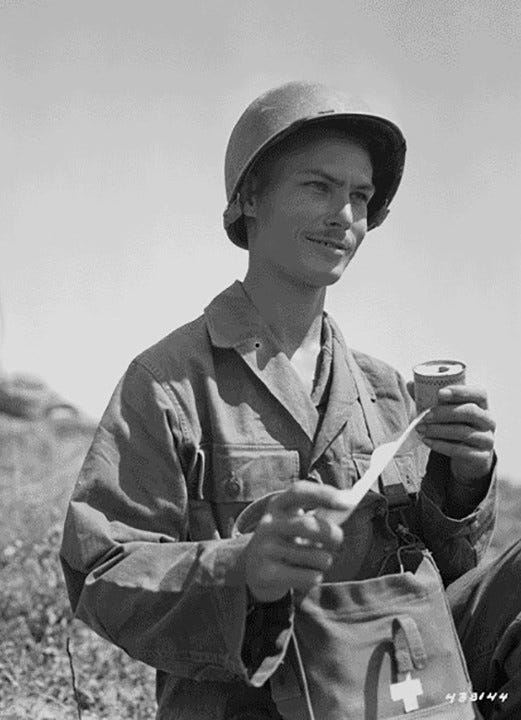
Desmond Doss knew how that works. He was an Army medic who refused to carry a rifle. On Okinawa, his unit got driven off a cliff; the soldiers called Hacksaw Ridge, leaving wounded men up top. Doss stayed. He dragged them to the edge one at a time and lowered them down on a rope.
Every time, he prayed the same thing: “Lord, please help me get one more.”
The Army credited him with saving 75 men. Doss guessed it was closer to 50. He never tried to save them all, only the next one.
You can’t fix the whole problem at 2:15 AM. You can make the next call. Write the first paragraph. Take one more step.
Tell the Truth When You Get Home
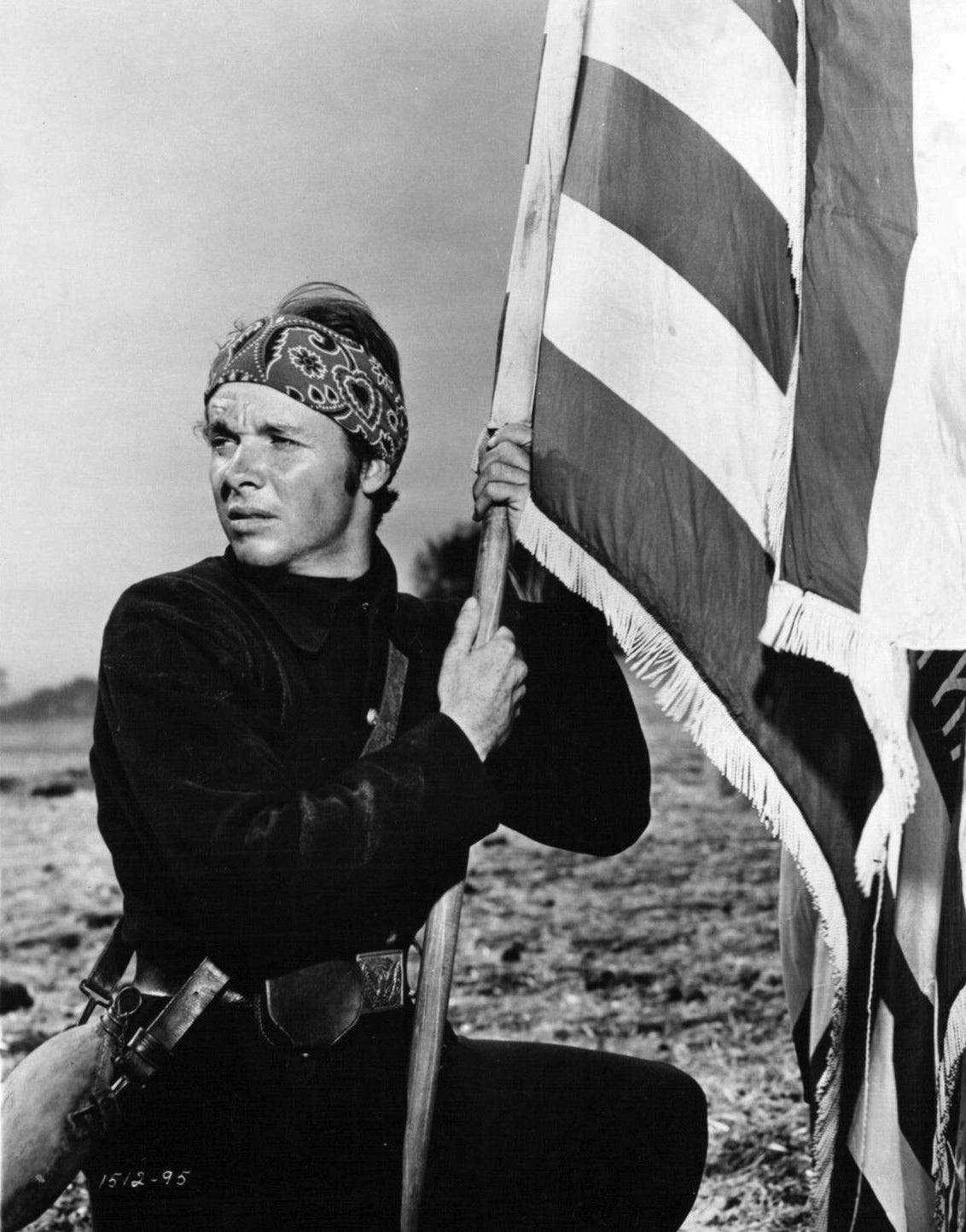
The war ended. It didn’t for Murphy.
Life put him on its cover in July 1945, and Hollywood made him a star in 44 feature films. On screen, he was the clean-cut hero.
At night, the nightmares kept him awake. He said the only way he could sleep was with a loaded pistol under his pillow.
In the 1960s, he got hooked on prescription sleeping pills, then quit. “Finally, I just threw away the pills,” he said. “I pulled the monkey off my back and kicked the habit.” Biographers say he locked himself in a hotel room for a week to do it.
Back then, war heroes kept their mouths shut about war trauma. Murphy talked openly about the nightmares, and biographers say he pushed for better care for what they called battle fatigue.
America’s most famous soldier admitted he was far from fine. A brave thing to do in the 40s and 50s.
Being calm in the crisis doesn’t mean you walk away unscathed. The waiting room ends. The 2 AM call ends. What it leaves behind doesn’t.
Tell somebody who cares about you.
Give Someone Else the Credit
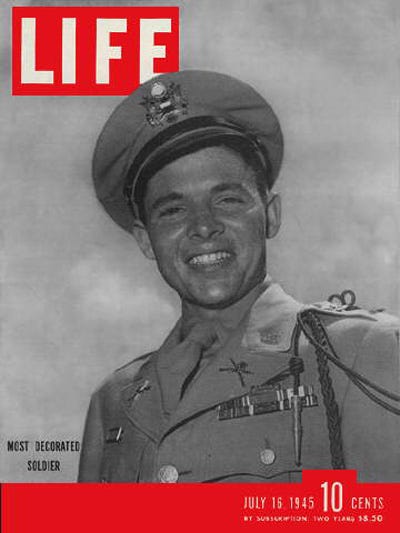
Murphy never liked the title Life gave him.
“I never liked being called the ‘most decorated’ soldier,” he said. “There were so many guys who should have gotten medals and never did, guys who were killed.”
He gave away many of his medals to kids. He said they belonged to the whole company.
Guys like Lattie Tipton.
One Minute at a Time
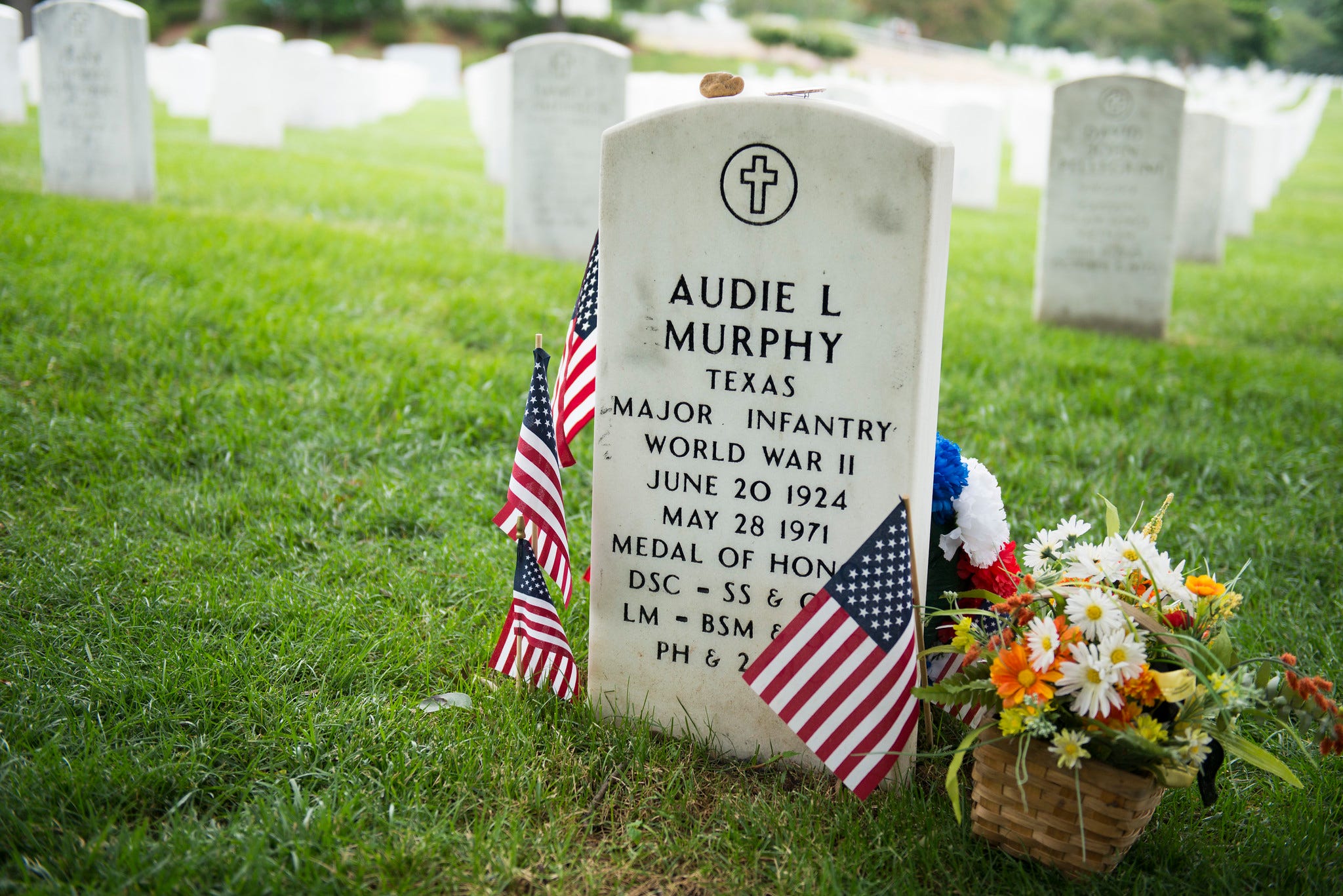
I still haven’t been inside that museum in Greenville. Next time I’m stopping for sure.
People assume a hero like Murphy felt no fear. He felt it every single time. He let his training carry him, fought for the man beside him, and told the truth about what it cost.
You’ll probably never climb onto a burning tank destroyer. But you’ll have your own waiting room, your own call in the middle of the night when you have to hold it together.
When that call comes, get through the next minute. Then the next one. That’s all Murphy ever did.
That’s why we keep telling these stories at Past Passport. The best of the past isn’t a museum piece behind glass. Men like Murphy were scared kids who did the tough things anyway, and they left us a map for our own lousy days.
Every week I send out one free story like this one. Paid subscribers get two more, the deep dives behind the legends.. Tomorrow’s is the full story of Lattie Tipton and the promise Murphy made his little girl.
Forget doom, honor America’s legends, my friends ✨
At Past Passport, we go back to the best of the past for one reason.
It gives us the courage to face what’s coming. Murphy was scared before every battle, and he still built a life worth remembering. If men like him could do that, we can face our own cruddy days with a little more grit and a lot more hope.
Keep doing your good work
Thank you. Amazing stories. My mother often spoke of Murphy- many from that remarkable generation did- with appreciation, love and respect.