

Every politician promises to fix the roads. Around 66 BC, Julius Caesar did it and paid for the work himself with borrowed money.
He was buying votes. Politicians always have, and you can still stand on Caesar’s first purchase at Rome’s southern edge.
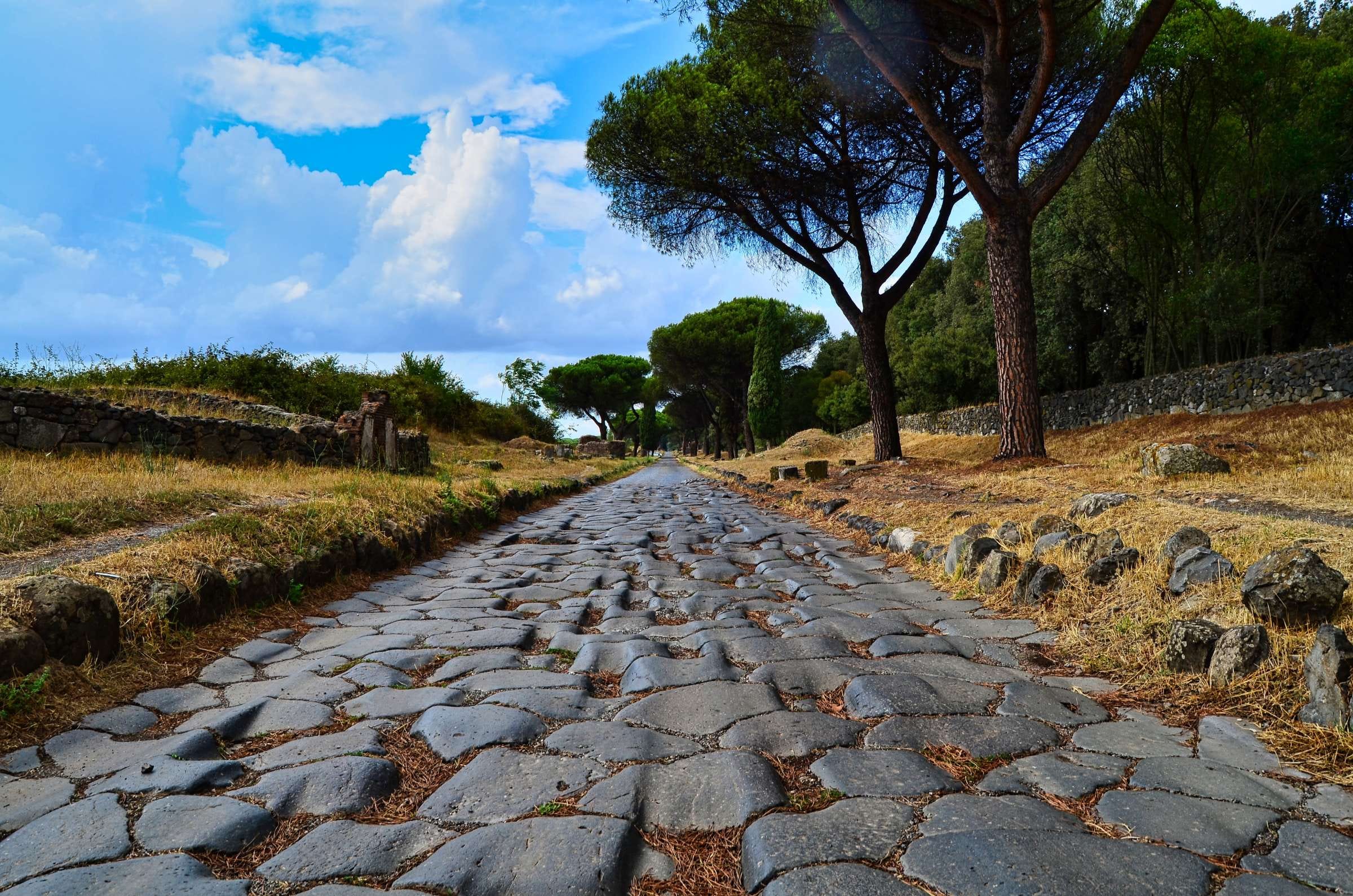
Walk the Appian Way today, and you’re stepping on lava. The dark stones were cut from a 277,000-year-old lava flow, worn smooth by twenty centuries of feet and wheels.
In the late afternoon, the sun filters through the umbrella pines and the gray road runs straight until it fades from view... 350 miles to the heel of Italy.
Rome started building the Appian Way in 312 BC, and it was about 250 years old when Caesar took charge of road maintenance.
Here’s how a man buried in debt bought Rome’s loyalty, starting with its most famous road...
Try Past Passport free for 7 days. Paid subscribers get:
3 weekly history essays. Easy reading. No dull dissertations.
3 weekly quick summaries of how we use AI to create every essay.
1 extra monthly newsletter, rotating between a full AI breakdown for writers and video and a Stoic philosophy article.
1-week free trial, then just $5 per month.
Caesar started out neck-deep in debt
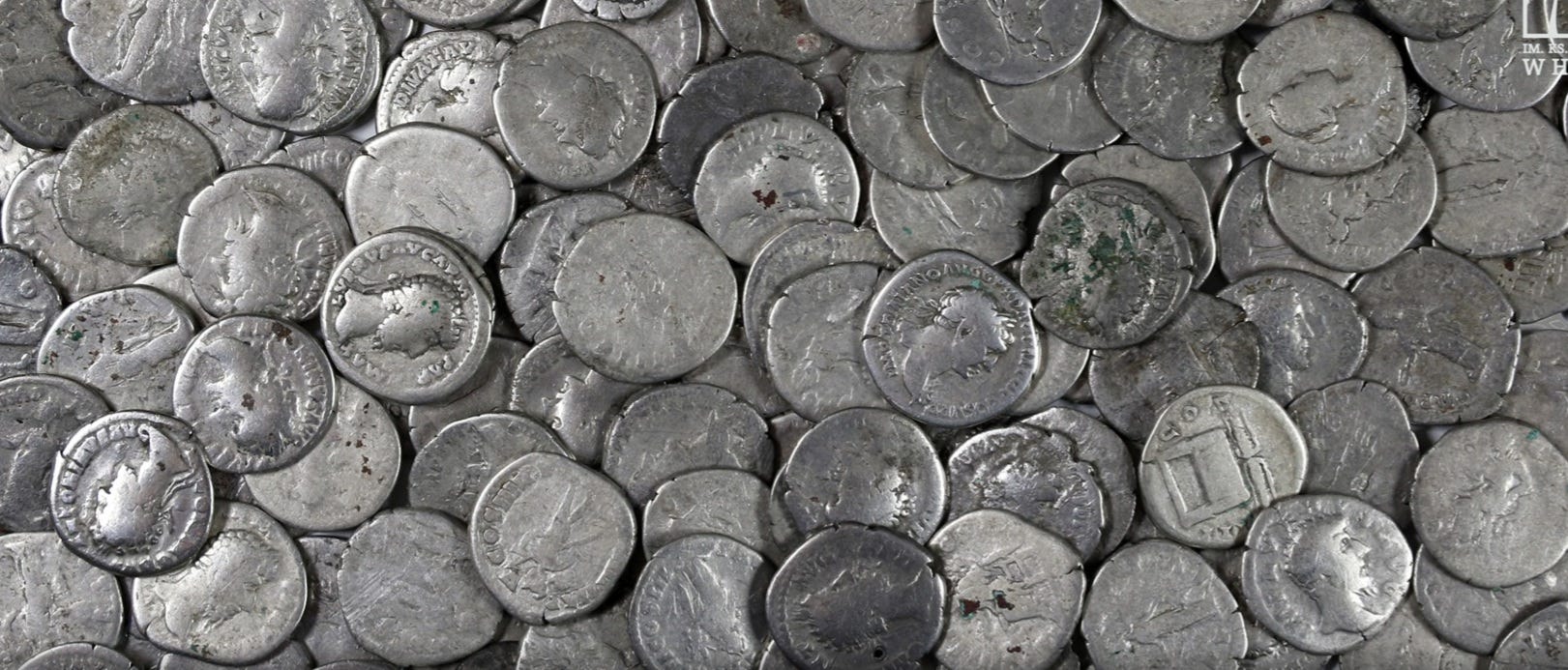
Before the road, there was the debt, and it was a ton. More than 30 tons, if you counted it out in silver coin.
Plutarch gives the figure: “before Caesar entered upon any public office he was thirteen hundred talents in debt.”
A Roman soldier would have needed about 69,000 years of pay to cover it.
He had an old family name and not much money behind it. At 18 he had refused the dictator Sulla’s order to divorce his wife, and it cost him her dowry and his inheritance.
Every office in Rome was won by vote, so he borrowed and spent where voters could see it.
You’d call that reckless, and his rivals did too. They expected his popularity to wither when the loans ran out.
Then Caesar found something bigger to spend on.
He fixed the Appian Way on borrowed money
The Appian Way today.
A young, ambitious Julius Caesar looked at the Appian Way in 66 BC and saw an opportunity. He wanted a name for himself, so he took charge of the road and seized on an idea any politician might: fix the roads.
He paid for the repairs himself, with more borrowed money. Plutarch doesn’t say what he fixed, only that it cost a fortune.
It was a grim road to put your name on. Five years before, it had been lined with dying men.
Crassus had crucified 6,000 of Spartacus’s men along it... a cross about every 35 yards, for 120 miles from Capua to Rome.
Caesar gave people a new reason to think about it. Farmers hauled their crops to market on those dark stones, and the legions marched south on them in hobnailed boots. Now every one of them traveled on Caesar’s money.
Buying voters like this was legal, and Rome expected ambitious men to spend on the public.
Who forgets the guy who fixed their road?
His rivals still thought he was throwing money away, and the road was the cheap part….
