

July 1, 1776.
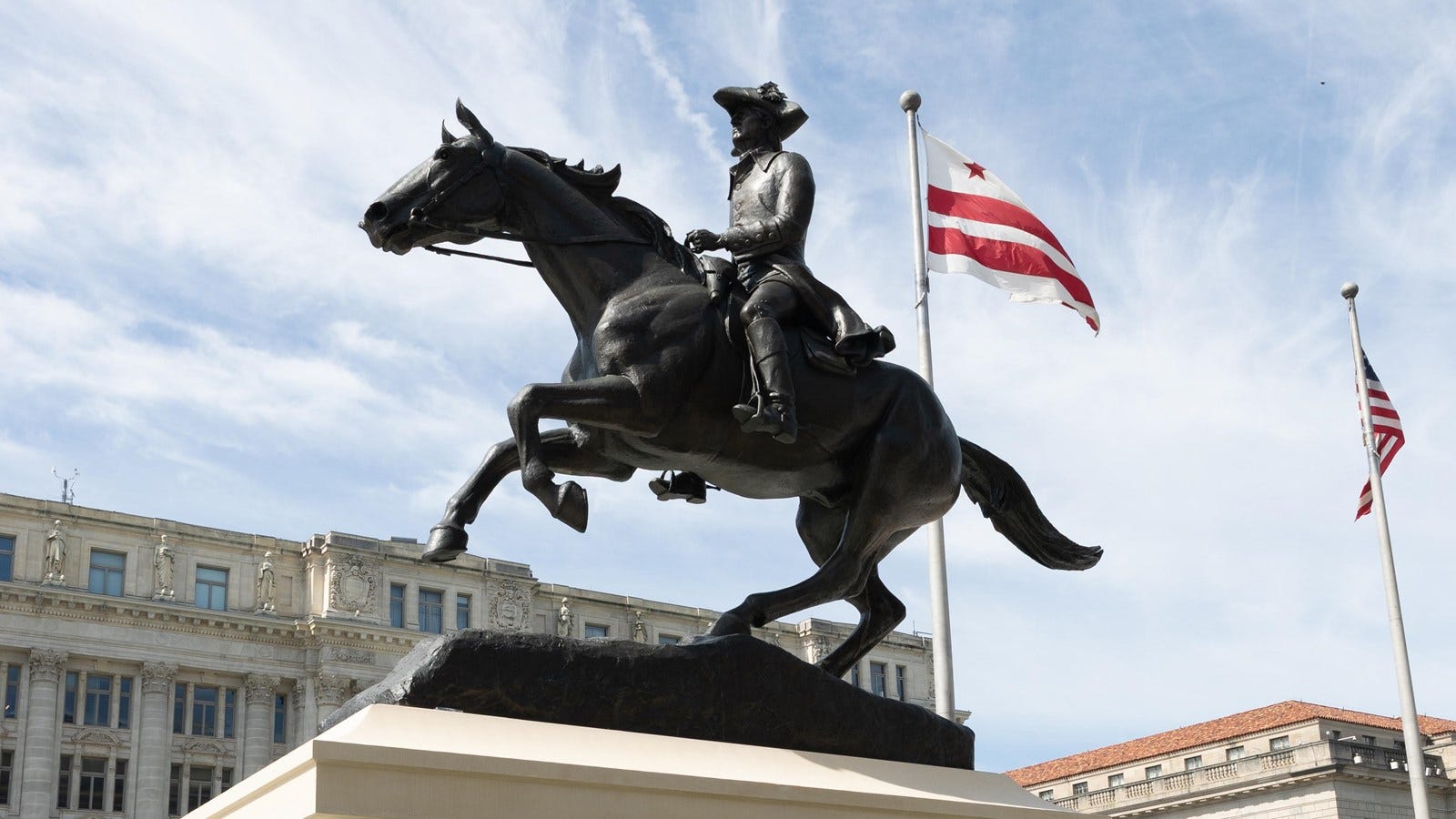
Caesar Rodney, a Delaware delegate to the Continental Congress, received an urgent letter from colleague Thomas McKean in Philadelphia:
Get back now.
The vote for American independence was tied. His delegation needed him. Rodney suffered from facial cancer and asthma, and a summer storm was rolling in. It was 11 pm.
He rode furiously for 80 miles anyway, through mud and lightning.
On roads that were little more than packed dirt.
Rodney arrived on the morning of July 2, filthy and tired, spurs still on, to break the tie and cast Delaware’s vote for independence.
Think about the last decision that left you sweaty, exhausted, with blisters, and stiff with pain. Most of us never face this situation.
Rodney did.
He’s barely in the story we tell about July 4. Neither is most of what actually happened that frantic summer.
Philadelphia Smelled Like the 18th Century
Philadelphia in June 1776 smelled like manure, sweat, and anxiety. The kind that builds when 56 delegates are deciding whether to commit treason.
The streets were open sewers. The summer heat pushed into the high 80s, and the delegates arguing inside the State House wore wool coats anyway.
They kept the windows shut to prevent spies overhearing treasonous talk. The room was stifling.
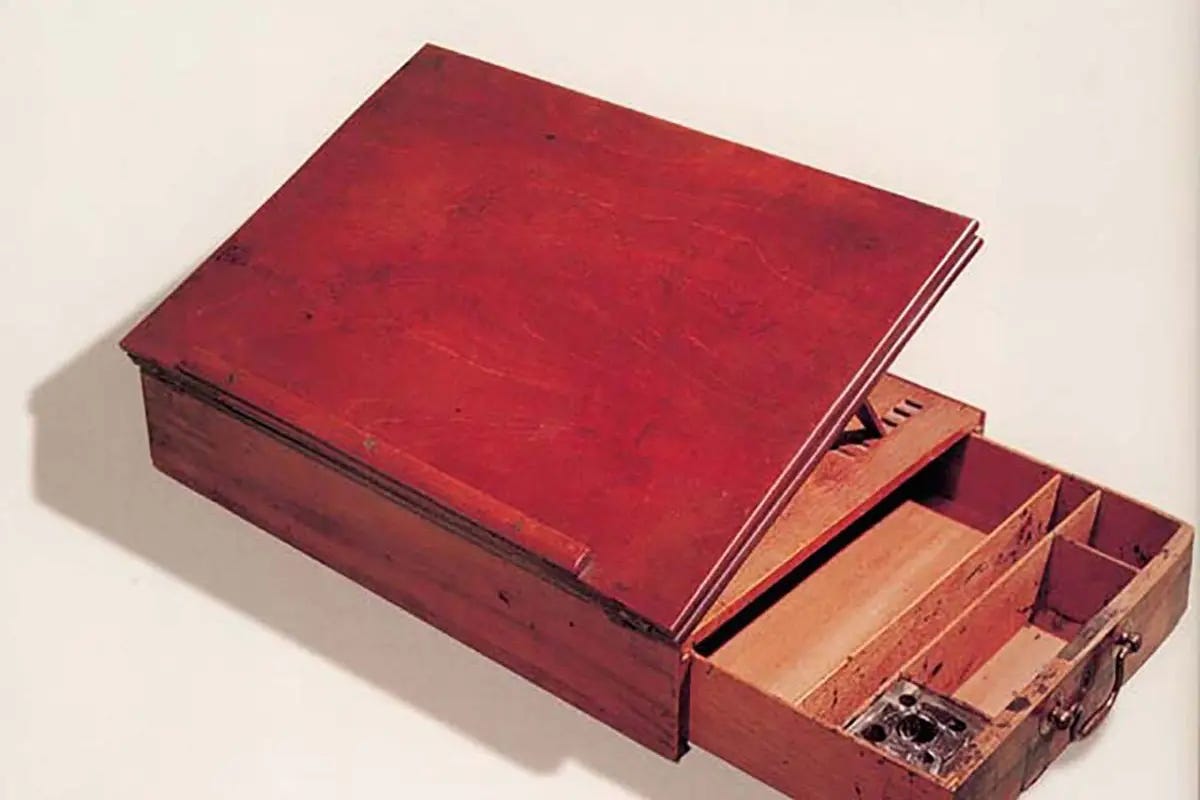
Typhoid tore through the city. Jefferson recorded temperatures while he wrote. He was 33 years old, a Virginia planter sitting alone in a rented room at Seventh and Market with a portable writing desk he’d designed himself, doing the most consequential writing of his life in borrowed time between congressional sessions.
Jefferson Assembled It in Two Weeks. Congress Had Comments.
Jefferson wrote fast on his desk. He had to.
The committee appointed him on June 11 and expected a quick draft. He drew from John Locke’s Second Treatise, Thomas Paine, and George Mason’s Virginia Declaration of Rights, which Mason had finished weeks earlier in the same city. Jefferson was assembling the best version of an argument everyone in that room already knew.
When you need to do a quality job fast, this is the way to do it. Borrow the strongest framework available and make it yours.
The committee cut a quarter of the text, including his attack on the slave trade, too raw for southern delegates who still profited from it. Jefferson sat through the edits and hated some of them.
He kept copies of the original in a drawer at Monticello. For the rest of his life, he sent people the earlier draft with the cuts marked, so they could see what Congress had done to his language.
It frustrated him.
Ever done your best work and had an annoying middle manager change it?
You know how Jefferson felt.
The Long Price List Behind ‘Lives, Fortunes, and Sacred Honor’
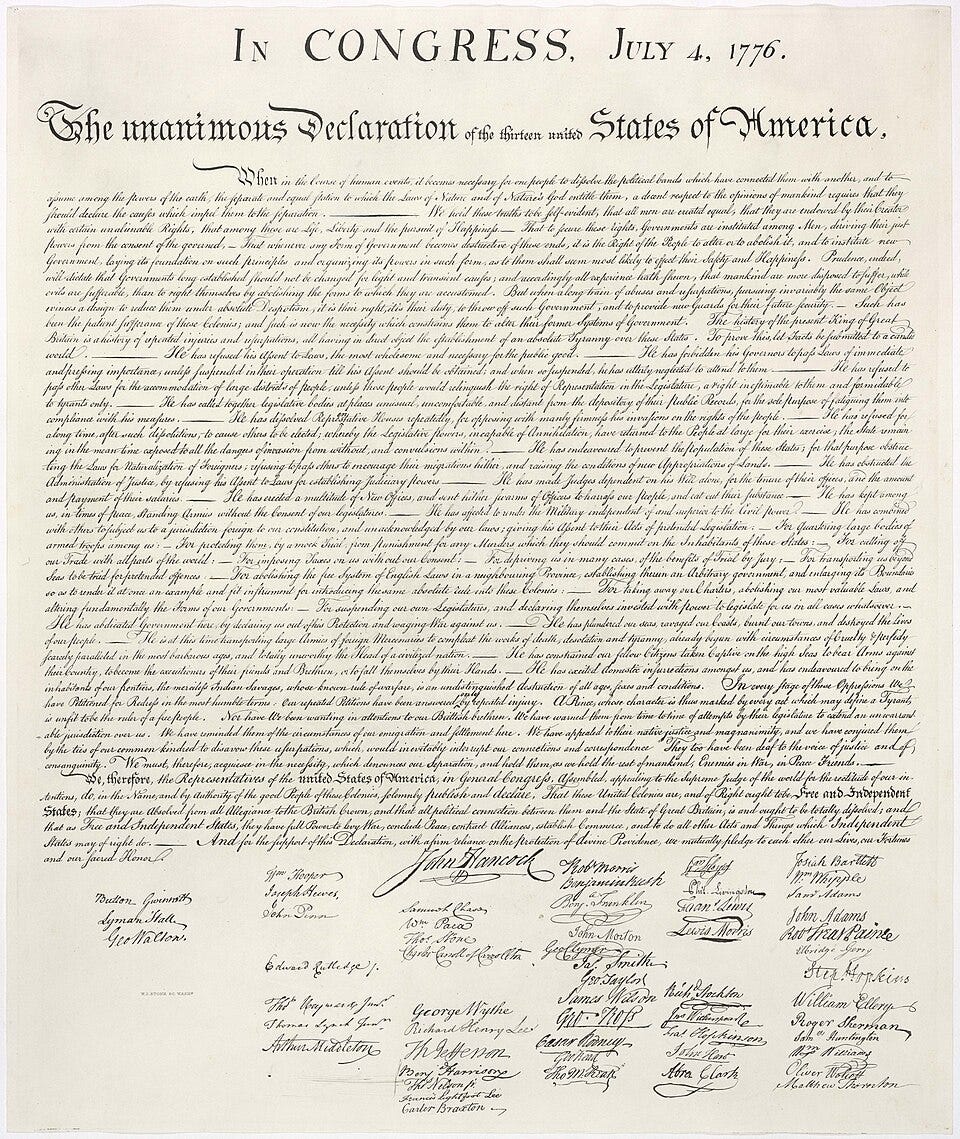
Congress voted independence on July 2 and adopted the document on July 4. Most delegates signed the engrossed parchment copy on August 2, weeks later, once the calligrapher had finished.
By August 2, when most delegates finally signed, British warships had dropped anchor in New York Harbor. The King had hired thousands of German mercenaries to crack down on the colonies.
Nobody was under any illusions about what their signature meant.
Nine signers died from war wounds or hardships. Five were captured and imprisoned. Seventeen lost everything: homes seized, property burned.
Richard Stockton of New Jersey was captured, imprisoned, forced to recant his support for independence, and never recovered his health.
Francis Lewis of New York had his wife imprisoned by British forces; she died from the treatment.
Thomas Nelson Jr. of Virginia reportedly ordered artillery fire on his own house because British officers were using it as a headquarters.
You’ve probably told yourself at some point that you had too much to lose to take a real risk. These men had everything to lose. Some lost it all.
They signed anyway.
John Adams, who pushed harder than almost anyone for the break, wrote to Abigail on July 3, predicting that July 2 would be the date Americans would celebrate with bells and bonfires for generations.
“The Second Day of July 1776, will be the most memorable Epocha, in the History of America. It ought to be solemnized with Pomp and Parade, with Shews, Games, Sports, Guns, Bells, Bonfires and Illuminations from one End of this Continent to the other from this Time forward forever more.”
He had the date wrong by two days. He had everything else exactly right.
Past Passport is history with an optimistic streak. Every generation thinks its problems are unprecedented. They rarely are. People before us had less and figured it out. Join us three times a week.
This piece is part of our America 250 series, marking 250 years since that frantic summer in Philadelphia. More coming through July 4th.
This is the kind of history people need more of. The Declaration wasn’t born in comfort. It came out of heat, fear, edits, illness, disagreement and men who knew exactly what their signatures could cost.
The sacrifices many of the Founders and other influential Patriot figures at the time made were great.
Having to call artillery on your own home, or get arrested and beaten and your family and possessions and status taken from you... because you decided to stand with your country and people.
Many didn't have to participate. They did anyway, regardless of the risks.