

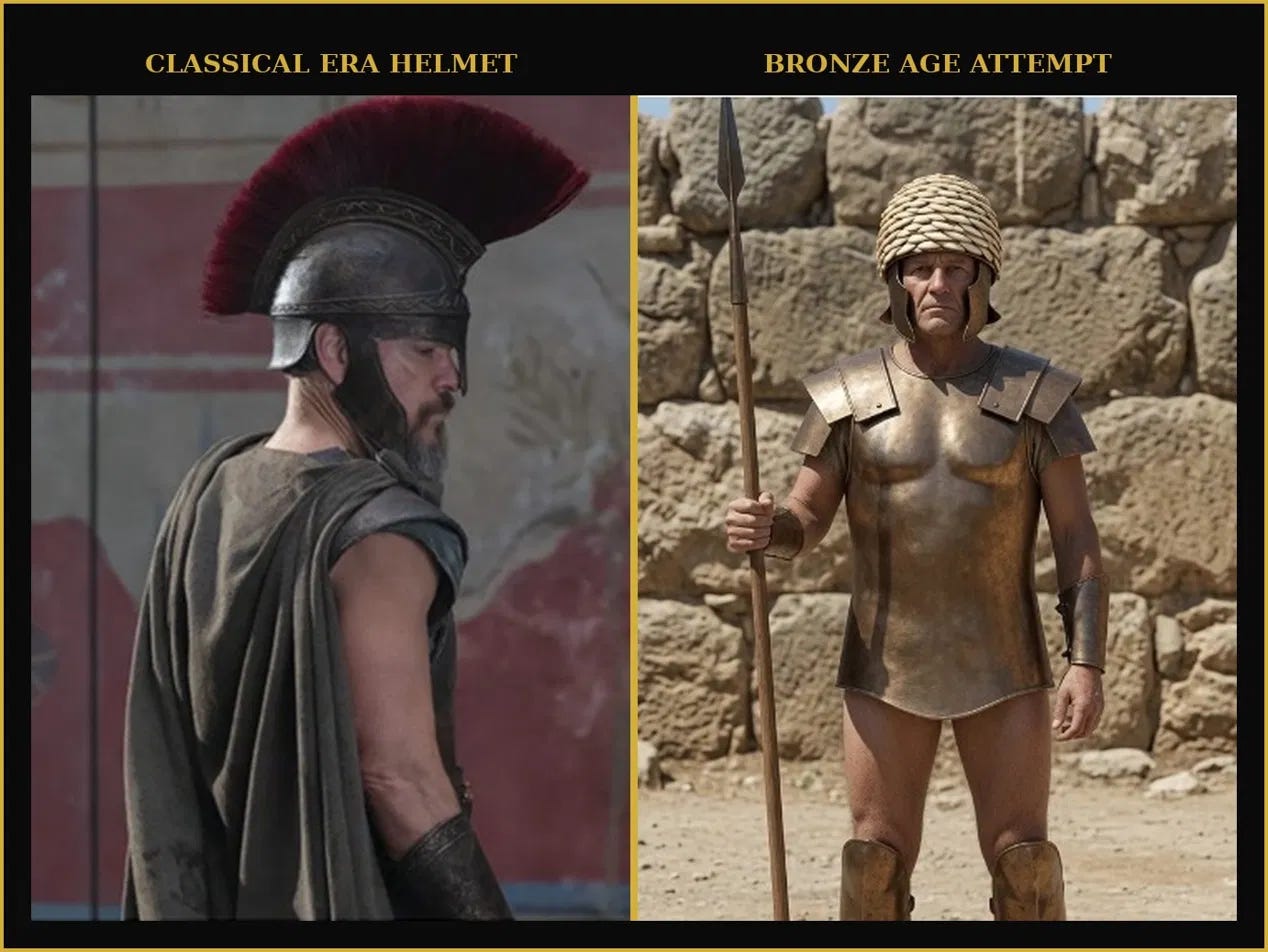
Homer’s Odyssey runs on bronze.
Men fight with bronze, wear bronze, die by bronze.
Then Homer mentions iron in Book 19.
Wait a second.
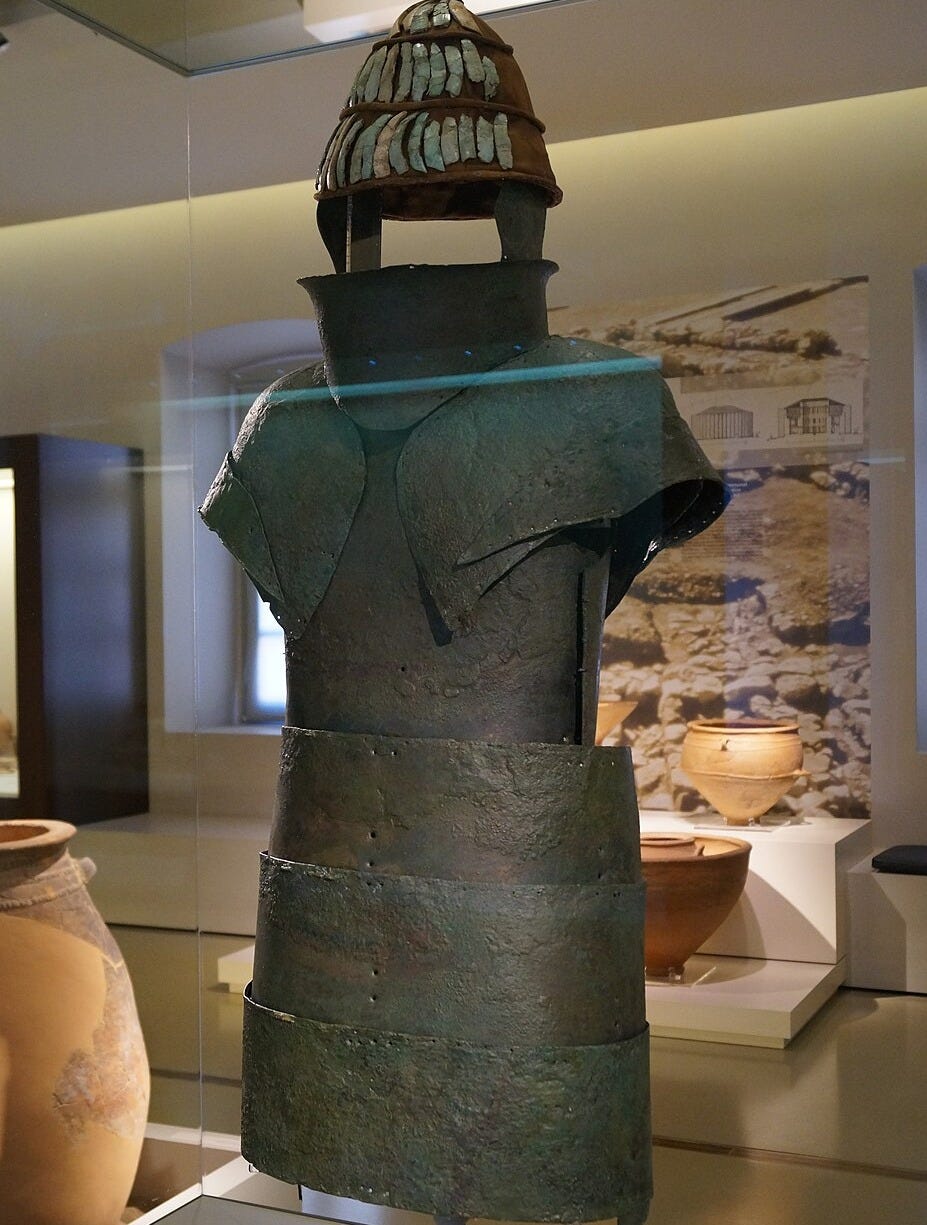
Odysseus and Telemachus quietly remove the weapons from the great hall before the suitors’ feast turns violent.
Homer puts these words in Odysseus’s mouth in Book 19:
“Iron itself draws a man towards it.”
Iron wasn’t held by everyday Greek warriors until around 1050 BC, roughly a century after the world Odysseus supposedly lived in. For one line, Homer lets his own century leak into the tale.
Few people notice.
Christopher Nolan’s armor gets far more scrutiny.
Nolan Could Ask a Metallurgist. Homer Couldn’t.
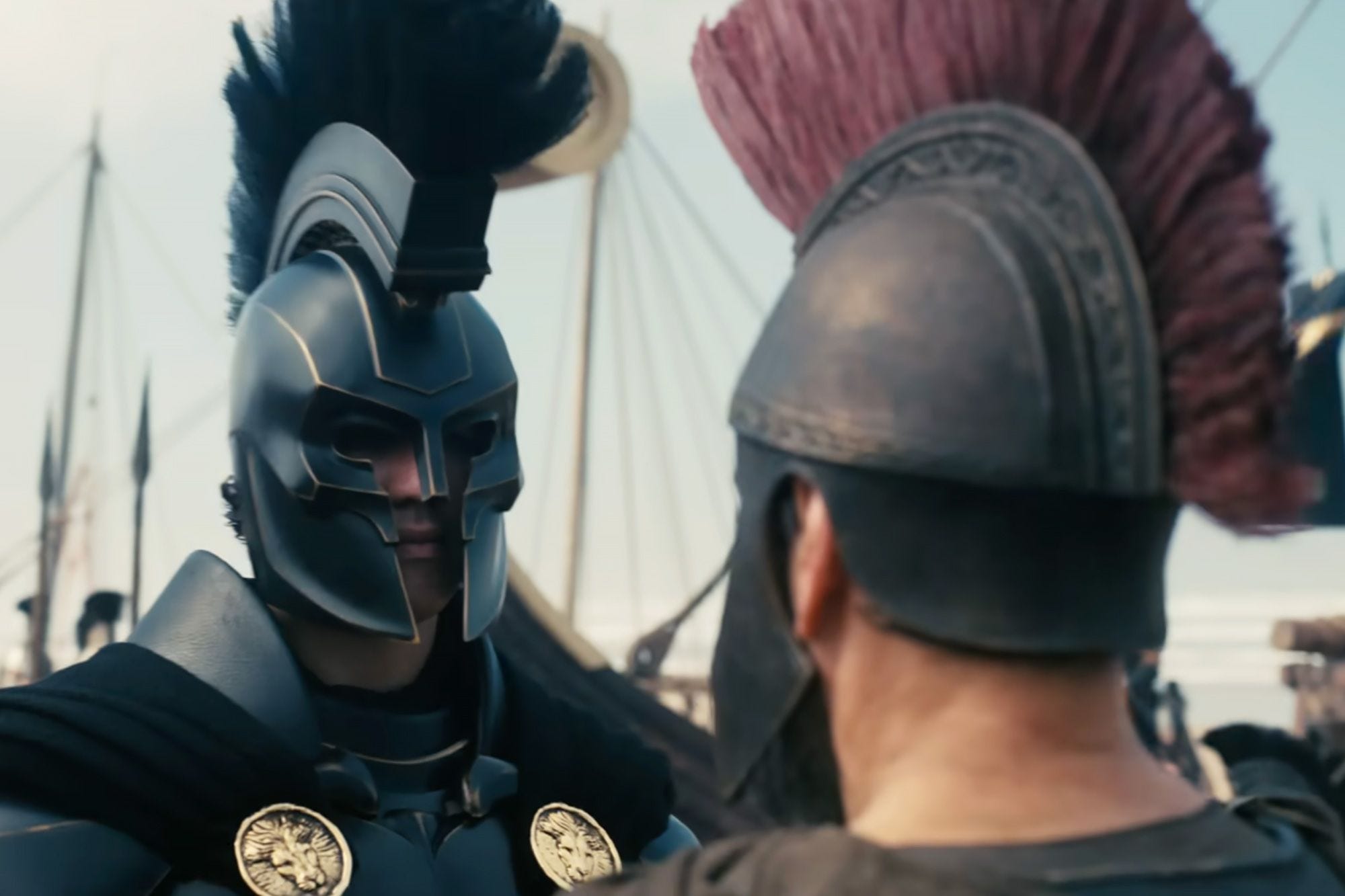
Some jeer at Odysseus's gear looking like iron, not the bronze his world was built on around 1200 BC.
Nolan changed the armor for drama, not accuracy. Costume designer Ellen Mirojnick chose a blackened bronze finish on Agamemnon to do an old job: mark him as untouchable.
Real Bronze Age elites signaled rank through materials that showed status, expensive ones most people couldn’t get their hands on.
Nolan answered his critics with metallurgy.
Real daggers from Mycenaean Greece, the Bronze Age civilization the Odyssey is set in, do exist with a blackened finish.
His theory is that Mycenaean smiths could have produced it by adding gold and silver to bronze, then treating the surface with sulfur.
The choice was made for effect. The archaeological evidence happened to back it up.
The Out-of-Place Iron
Picture the Book 19 scene.
Odysseus is home disguised as a beggar. Nobody else in the room knows what bloodshed is coming. He tells his son they need to move the armor before the suitors’ wine turns their feast into a brawl.
Helmets and bossed shields, spears still sharp after twenty years hanging untouched, all of it darkening with smoke in that hall since Odysseus sailed for Troy.
Father and son carry the armor away together, by lamplight. Telemachus was an infant when that armor last left the wall.
This is the first time father and son have ever done anything together as men. What they’re holding doesn’t belong in Odysseus’s century.
This is the scene where Homer’s line about iron slips in: “Iron itself draws a man towards it.”
It’s a proverb. E.V. Rieu’s translation renders it as “the very presence of a weapon provokes a man to use it,” the Bronze Age equivalent of “cold steel” or “there’s a gun in the drawer.”
Bronze belonged to Odysseus. Iron belonged to Homer’s audience. By the time he was composing, iron was what his audience knew.
The hall itself, lines earlier, is still hung with weapons of gleaming bronze. For one line, eighth-century Greece breaks through the Bronze Age world Homer built.
Homer was doing what any storyteller does: reaching for the word that affects the people listening, even if it didn’t belong to the world he was describing. Homer took the same liberty in 750 BC that filmmakers take in 2026.
Homer Got More Than the Metal Wrong
Homer’s world isn’t inside one century. Some of it echoes Mycenae’s palace culture: massive walls, boar hunts, bronze.
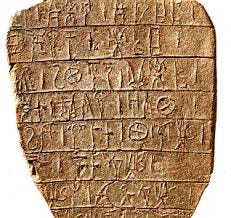
The real Bronze Age palaces this world was modeled on ran on bureaucracy: scribes tracking grain, wool, and bronze allocations on clay tablets.
Historian Moses Finley pointed out decades ago that almost none of that appears anywhere in the Odyssey.
We see no throne rooms running grain accounts, no administrative machinery at all, in a poem set inside the exact civilization that invented it.
Much of the social texture Homer describes matches the Greek Dark Ages. That’s three or four centuries after Troy would have fallen, not the world Homer says he’s showing you.
Homer was preserving a story passed mouth to mouth for four hundred years before anyone wrote it down, built out of fragments from two different eras and stitched together by ear.
Three thousand years later, we’re still arguing over what Odysseus should be wearing.
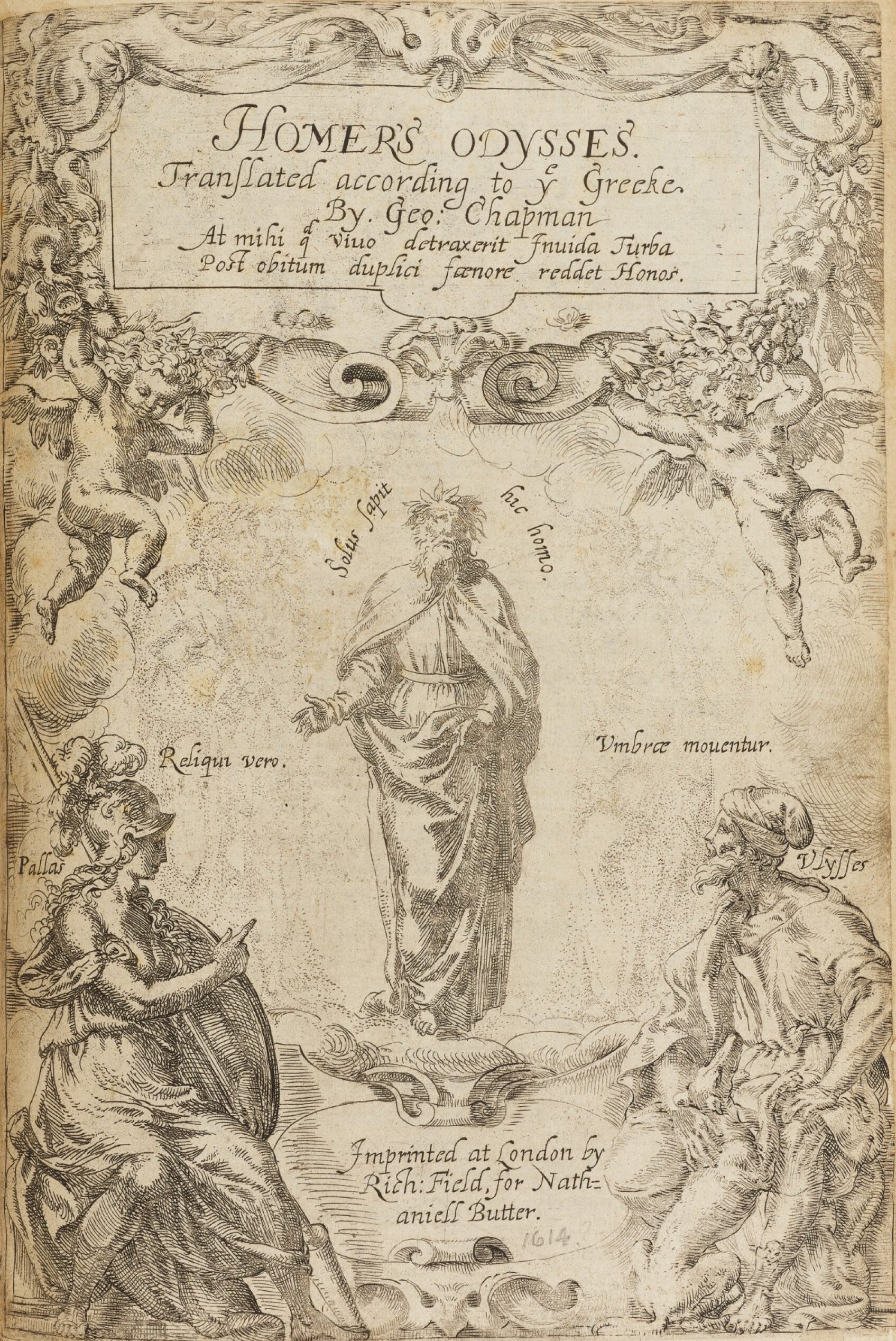
George Chapman translated the poem in 1614. Alexander Pope followed in 1725. Now Homer’s name is back on an IMAX screen, in front of millions who’ve never opened Fagles or Wilson.
A costume that gets one detail wrong is still a costume designed by someone who researched blackened bronze daggers to get another detail right.
Nolan gets picked apart for a costume choice. Homer got away with rewriting his hero’s whole world, and it made him immortal.
Apparently artistic liberty is only a problem if you’re still alive to answer for it.
Every generation thinks the world is ending. It never has been. If you want more stories like this one, proof that people before us were figuring out the same problems we are, in their own imperfect, human way, join our community of historical optimists. Three history essays a week.
Editing AI To Sound Like You
I use Claude to build my first drafts. It’s not a final draft; it’s more like a fleshed-out outline. It gets the story structure clear in my head: what beat goes where, what the argument is, and what facts I have and which I still need.
But the writing itself doesn’t sound like me. Not close. I spend at least two hours editing every piece after that first draft, cutting lines, rewriting sentences from scratch, killing anything that reads as if it came from a machine instead of a person.
The more I’ve done this, the more sensitive I’ve gotten to it. I catch AI patterns now that I would have missed a few months ago: the flat rhythm, the phrases that sound smart but say nothing, the sentences that explain a point I already made.
That’s not a downside. It means the editing has to be meticulous. Every piece has to get made to sound like me, and I take as long as I need, even if I need to delay publishing a day.
Every fact in this article was checked against actual historical sources before it went out.
Funny how we demand perfect historical accuracy from movies based on stories that were already blending centuries together.
I must admit to a terrible tendency to be overly distracted by historical detail ! Unless I really like the film's vibe!