

A five-year-old mailed $1.35 to a New York newspaper in 1885.
Esther’s note was all business.
Her block letters read:
“We send you from our kindergarten at Davenport, Iowa for the pedestal of Bartholdi Statue, $1.35.”
No thank-you, no sales pitch... kindergartners tell it like it is.
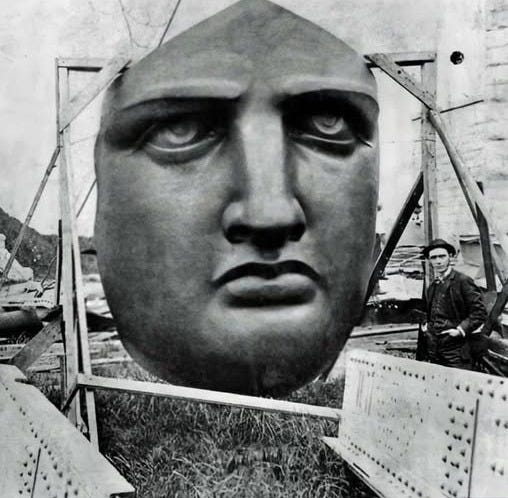
The Statue of Liberty was steaming from France to New York in 214 crates. One problem: she had nowhere to stand, and nobody in charge would pay for a pedestal.
The millionaires said, “Nah, we’re keeping our dough.”
So Esther’s class pitched in. 120,000 other regular Americans pitched in, most of them giving a dollar or less.
Lady Liberty turns 140 today.
She stands in New York Harbor…..
…..because a once-broke immigrant with a newspaper and a crowd of kids with circus money wouldn’t wait for the rich.
Here’s how they got her out of her crates in one of the gloomiest patches of the 1880s... and why beauty still beats the doom on your phone.
Welcome to the doom-free zone, friends... where we ditch the doomerism on our phones for gorgeous art, great books, statues, and tough-as-nails men of the past.
Paid members get:
2 history essays a week
The full AI series: behind-the-scenes breakdowns of how we use AI bots to pick topics, build drafts, and plan our X posts
An open DM session on the month’s top article
The 4-day doom feed swap that got my ideas popping again
First week’s free, then $5 a month. Followed by The Culturist and Culture Explorer. The future looks a heck of a lot brighter than we’re told.
A beaten Frenchman kept hammering
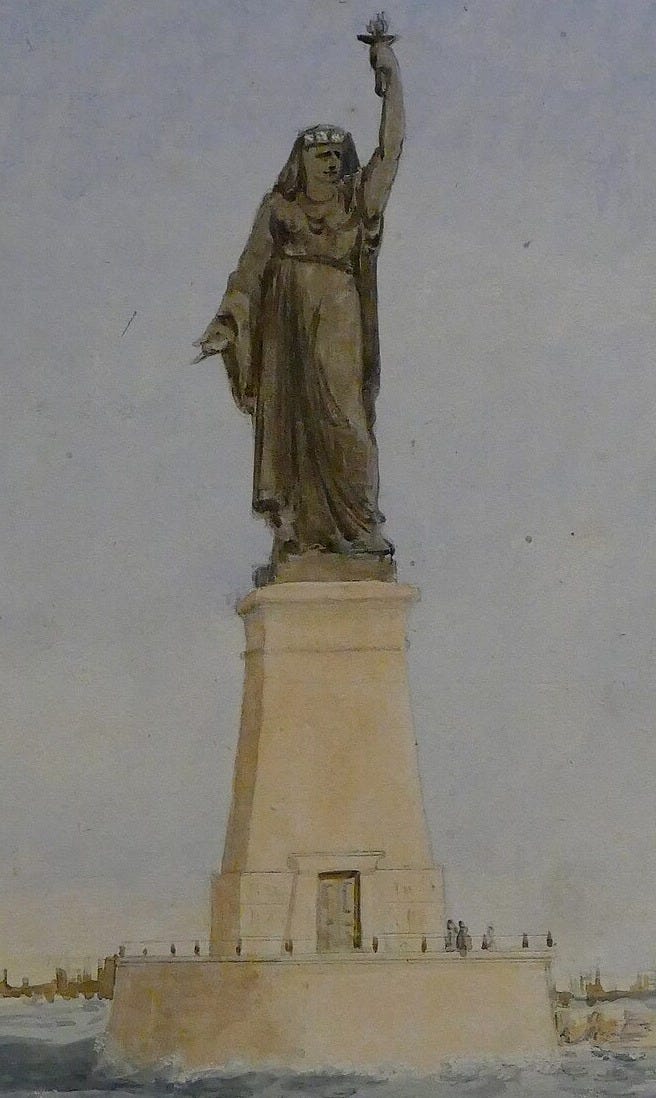
Frédéric Auguste Bartholdi created giant statues for a living. He grew up in Colmar, in eastern France. By age 22, he had his first bronze general standing in the town square.
In 1869, he pitched Egypt’s ruler a colossal robed woman holding a torch over the new Suez Canal.
The answer was no, thanks for asking.
Then, in 1870, Germany beat France in battle and took Colmar. Bartholdi didn’t doom.
A year later he sailed to New York with his torch-lady, now called Liberty, and picked Bedloe’s Island from the ship’s deck. America shrugged.
Congress didn’t say yes until 1877... and saying yes was the easy part.
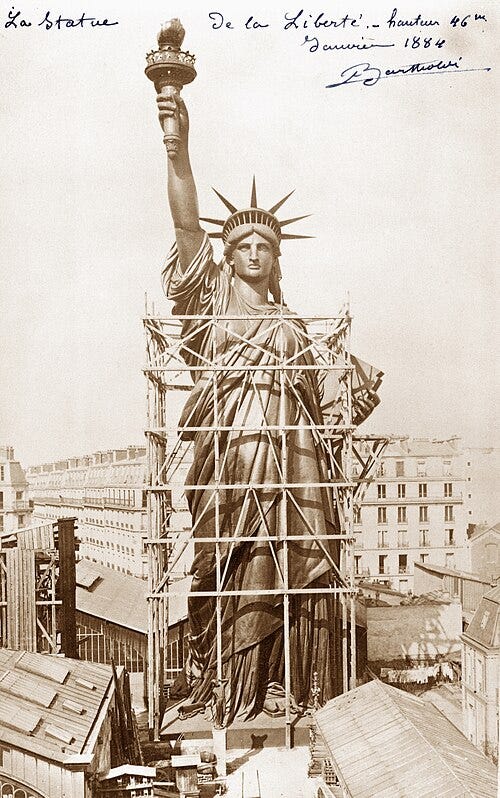
Back in Paris, workmen hammered his design into copper sheets thinner than two stacked pennies... her index finger alone measures 8 feet.
Gustave Eiffel designed the iron skeleton inside.
America won a free statue and wouldn’t buy her shoes
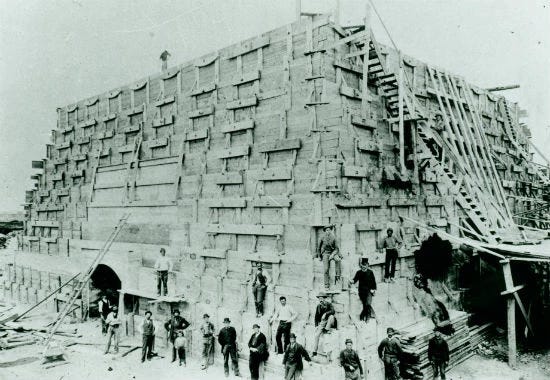
The deal sounded swell on paper: France paid for the lady, and America paid for the pedestal.
America stalled. Of course.
The money ran dry with the pedestal half-built on Bedloe’s Island, Wall Street crashed in May 1884, and Governor Grover Cleveland vetoed $50,000 in New York state money for the project.
Congress said no dice.
Baltimore bragged it could raise the money if she came there instead. Minneapolis perked up too (no harbor, but lots of lakes).
She showed up anyway in June 1885 aboard the French ship Isère: 350 pieces packed into 214 wooden crates. Boats crowded the harbor to welcome her.
Then they stacked the crates on the island, waiting for a pedestal nobody had paid for.
Awkward.
Pulitzer asked the little guy, not the millionaires
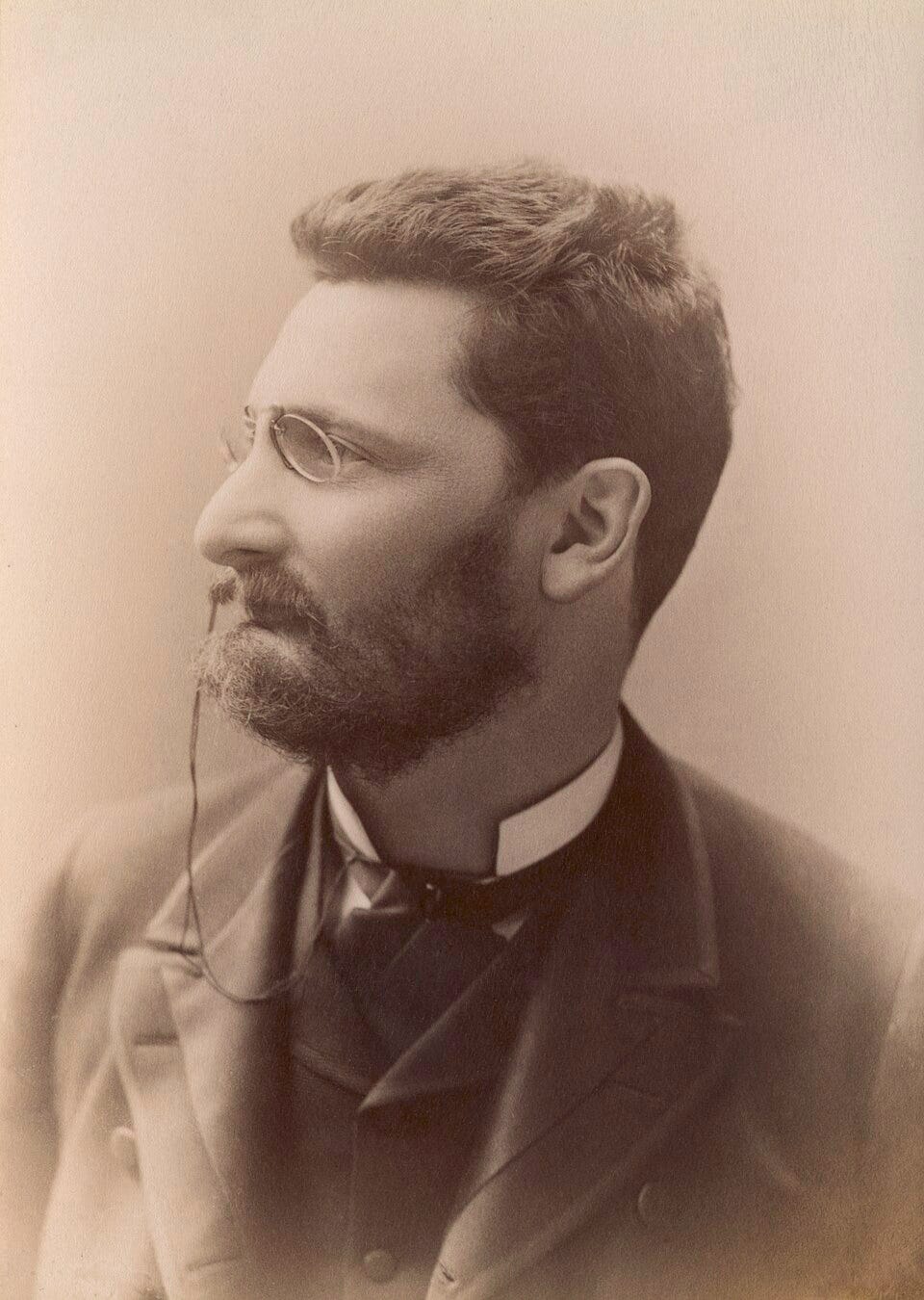
Joseph Pulitzer landed in Boston in 1864, a skinny 17-year-old from Hungary with bad eyes and little English.
A Union Army recruiter had signed him up back in Europe.
He rode with the Lincoln Cavalry, then washed up in St. Louis flat broke, tending mules and taking whatever work he could find.
Nineteen years later, he owned the New York World.
On March 16, 1885, he turned his editorial page on the pedestal. “We must raise the money!” Pulitzer wrote. “Let us not wait for the millionaires to give us this money.”
Then came the hook. He’d print every donor’s name in the paper, whether they sent a thousand dollars or a dime.
Gotta love the guy.
The mule tender from Hungary made the little guy the hero of New York’s biggest story. Sure, he sold a mountain of newspapers doing it... Pulitzer never met a headline he didn’t like.
He figured on the grown-ups. He didn’t figure on the kindergartners.
Circus money built the pedestal
The letters poured into the World, and Pulitzer printed them.
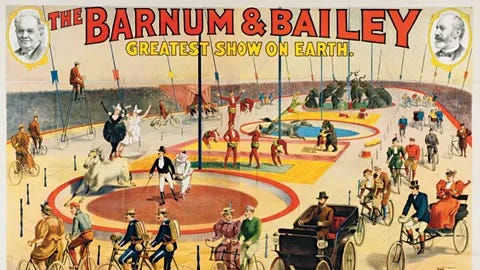
A group of kids sent a dollar, “the money we saved to go to the circus with.”
Picture it... elephants, peanuts, a clown or two, all traded for a copper lady’s feet.
An office boy sent five cents as his “mite.” A young girl “alone in the world” sent 60 cents, “the result of self-denial.” A “lonely and very aged woman” sent a dollar.
Even the residents of a Brooklyn home for alcoholics chipped in $15, and saloons set donation boxes on the bar. (Lady Liberty, brought to you in part by gin money.)
On August 11, 1885, the World announced $102,000 from 120,000 donors. Eighty percent of it came in sums under a dollar.
Think your little effort doesn’t count? A dollar of skipped circus is holding up a 151-foot lady right now.
Folks like that are the crowd we’re building at Past Passport... people who’d rather put something beautiful on a pedestal than scroll the doom.
The party came 14 months later. In the rain.
Lady Liberty went skyward in a cruddy year
1886 was a bummer year. About 1,400 strikes rolled across the country. In May, a bomb at a Chicago labor rally killed seven policemen, and in August an earthquake shook Charleston to pieces.
No matter.
Workers finished the pedestal in April and riveted her back together through the summer.
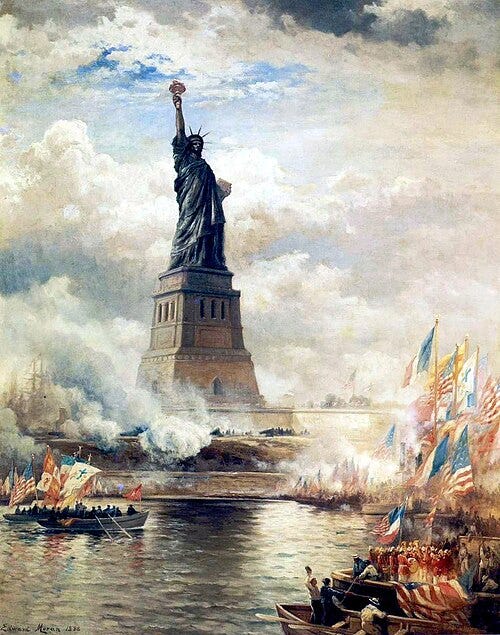
October 28 came in fog and drizzle. New York threw a parade anyway, and office clerks flung ticker tape out their windows, the city’s first ticker-tape parade.
Out on the island, Bartholdi waited up in her head, holding a rope tied to the French flag over her face.
He was supposed to drop it when Senator William Evarts finished his speech. Evarts paused for a breath. Bartholdi yanked the rope, cannons boomed, steam whistles screamed... and nobody heard the rest of the speech.
President Cleveland, the same guy who’d vetoed her money, accepted her. No one asked Pulitzer to stand with him.
Suffragists circled on a chartered boat, pointing out that Liberty was a woman and hardly any women were allowed on the island.
The Army wanted her painted. She remained green.
Her copper started out the color of a new penny. Salt air turned her green over the next couple of decades, and when the Army talked about painting her in 1906, New Yorkers raised hell.
Life was hard for the people in this story, harder than most of our bad weeks. They built something beautiful anyway.
Your doom feed says the world is ending. It isn’t. The papers said the same thing in 1886, and they were wrong then too.
Come trade the doom for art and beauty at Past Passport, along with the stubborn folks who kept building despite the struggle.
Go wish her happy birthday
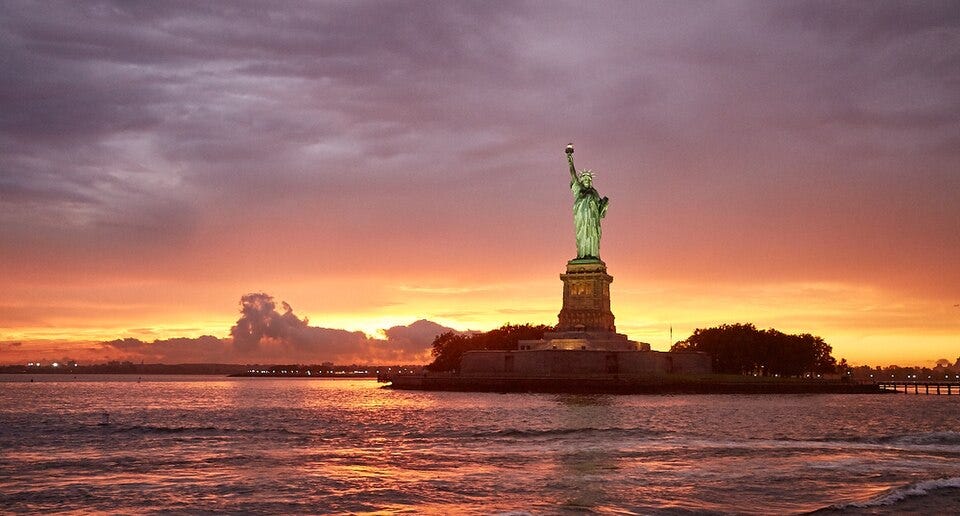
Ferries leave from Battery Park in Lower Manhattan. Book Crown tickets early, because they often sell out months in advance. Inside the Statue of Liberty Museum on the island, you can stand next to her original 1886 torch, retired in 1986.
She waited in boxes for nearly a year. She’s stood for 140.
Happy birthday, Lady Liberty.
God bless.
In 1885, 120,000 people mailed their pocket change to a newspaper so something beautiful could stand.
Past Passport is built by the same kind of folks.
For $5 a month, you back a small outfit fighting the doom and gloom on everybody’s phone... with two paid essays a week on the art and the stubborn heroes who built beautiful things in rough years.
Pulitzer printed every donor’s name in the paper. I can’t swing a newspaper, but every one of you counts here.
Your first week is free.