

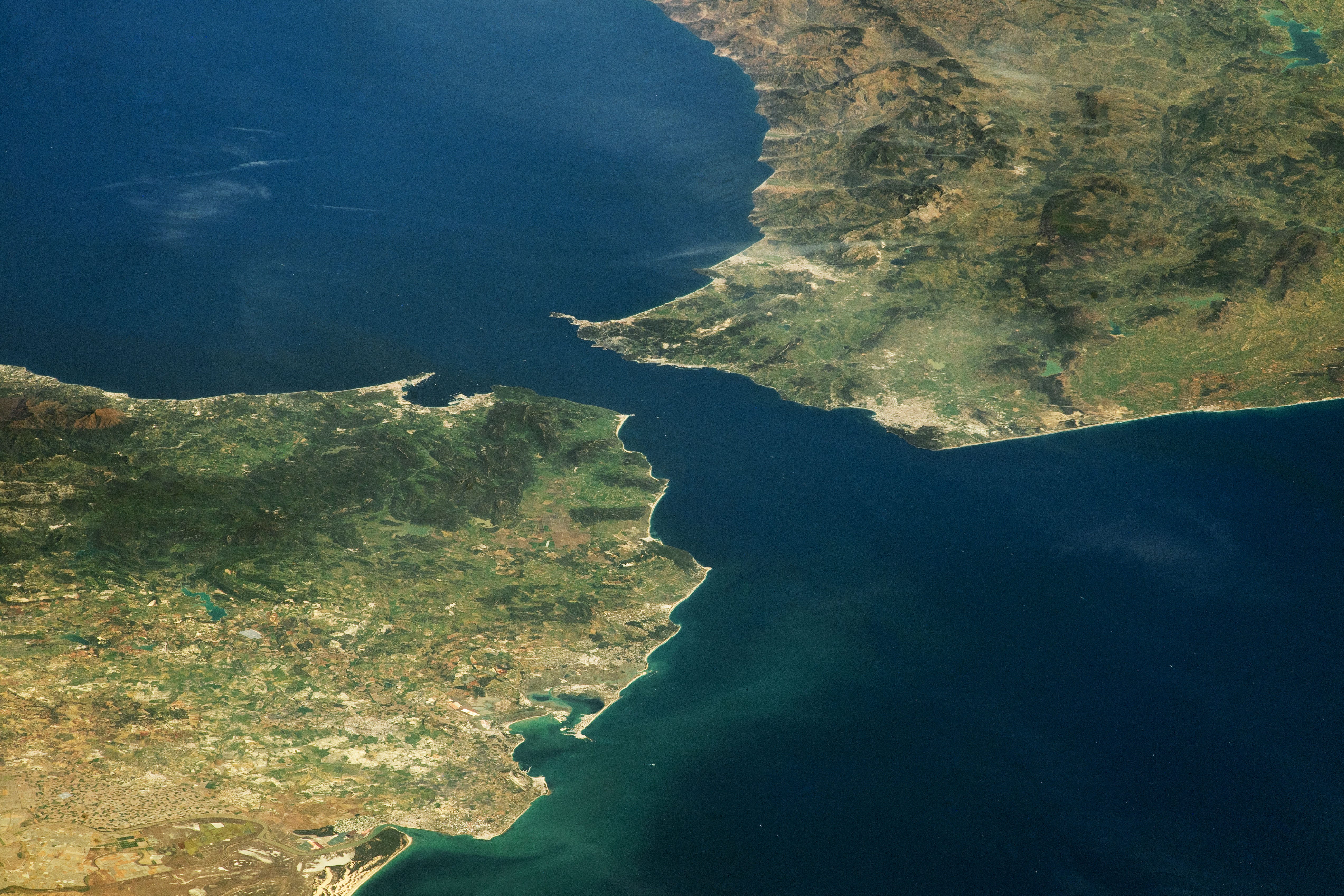
Ceuta is a Spanish city on a spit of Moroccan coastline, sitting where the Mediterranean narrows into the Strait of Gibraltar. Media covering this week's crossing has reached for the same word: unprecedented.
Nearly 60,000 people swam and swarmed from Morocco into Ceuta in a matter of hours last week, according to Ceuta’s own president.
Spain mobilized its army. More than 25,000 people were sent back to Morocco within a day. At least 67 tragically drowned in the crossing.
Italy suspended Schengen free movement with Spain entirely, shutting its air and sea borders for the month of August.
Every generation thinks it’s witnessing the first migration crisis.
Almost every generation is wrong.
Spain’s border crisis is the newest in an ancient argument:
Protect what’s yours, or decide who else gets a share of it, and when. Every civilization with a border has had to answer that question, and the world didn’t end when they did.
Rome divided its law between ius civile for citizens and ius gentium for everyone else.
The Strait of Gibraltar has forced that same decision since before Rome existed.
Is Ceuta unprecedented? Three thousand years of history say otherwise.
Assyria Transplanted Whole Nations By Royal Order
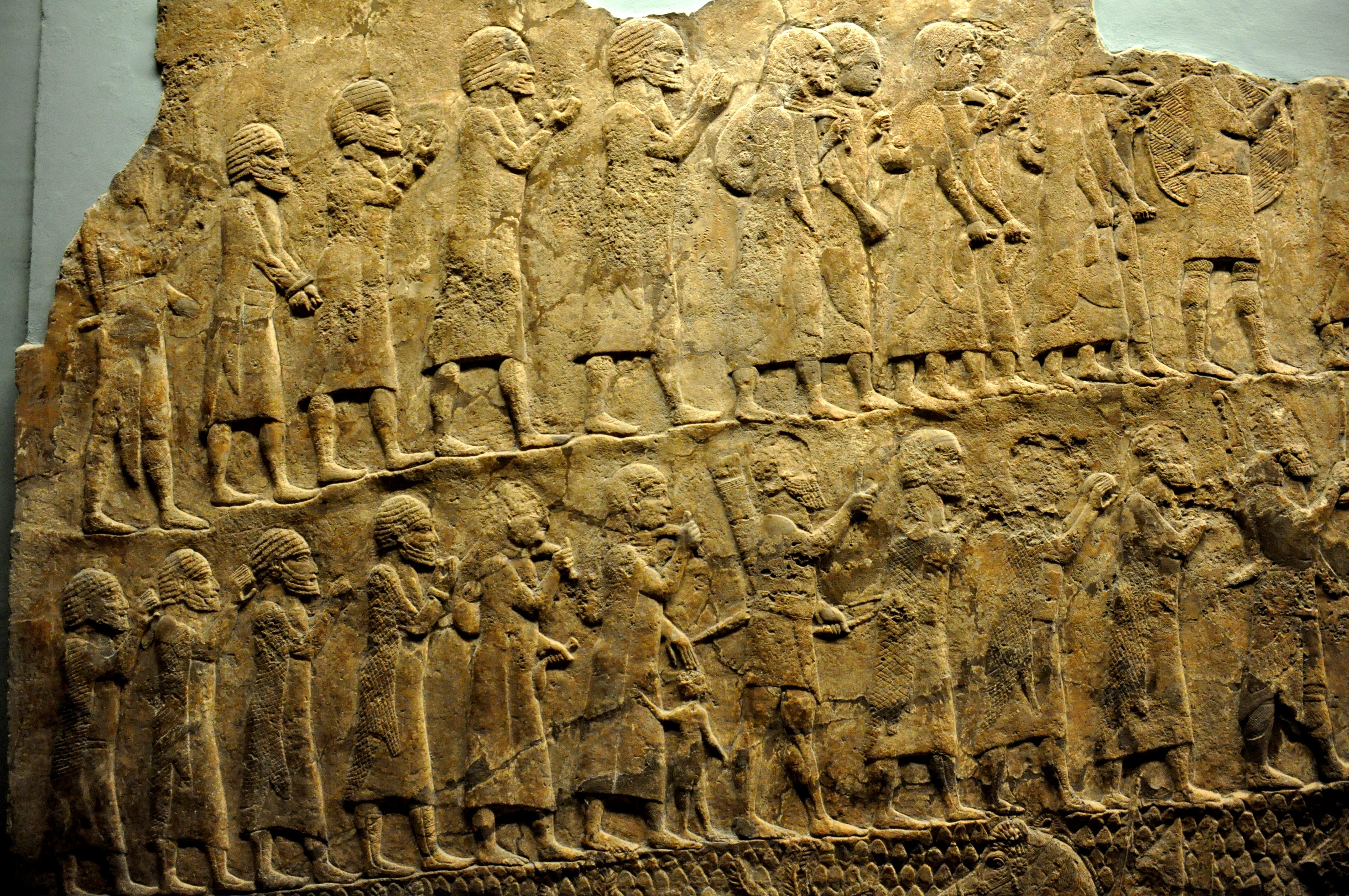
Ninth-century BC Assyrian kings didn’t wait for migrants to walk in over the Syrian desert. They marched them by force.
Shalmaneser III boasted of deporting more than 167,000 people from conquered territory in a single reign. This was his standard practice for shattering resistance by scattering populations and refilling emptied land with someone else’s labor.
Assyria considered conquered people raw material. Assyrian reliefs from Nineveh show these convoys riding ox-carts piled with bundles, children and livestock alongside them, under armed escort.
Today we debate whether migrants are a labor shortage or a burden. Whichever side of that argument you buy, Shalmaneser settled it 2,800 years ago.
There was no debate in Nineveh about it. The king decided, and scribes wrote it down as state policy.
Egypt did the opposite, centuries earlier. The Hyksos arrived as settlers in the Nile Delta around the 17th century BC. They rose to political power from inside the country they’d entered.
Egypt eventually recovered the strength to reclaim control of who belonged, and expelled them around 1550 BC.
That’s three thousand years before anyone called it “great replacement” anxiety.
Leviticus Had Border Law First

The Hebrew Bible contains one of the most detailed legal codes on resident foreigners anywhere in the ancient world, set down well over two thousand years ago, and it reads like case law.
Don’t oppress the ger, the sojourner living among you. Judge him by the same standard as a citizen. Let him glean the fields. Remember that you were foreigners in Egypt once.
It wasn’t unconditional. Full political standing stayed out of reach, and a ger couldn’t own land the way a native Israelite could.
But he rested on the Sabbath like everyone else, kept the dietary laws, and stayed clear of idolatry. In return, he got the same courts as any citizen, plus the right to glean the harvest and protection against fraud.
Athens Taxed. Sparta Expelled.
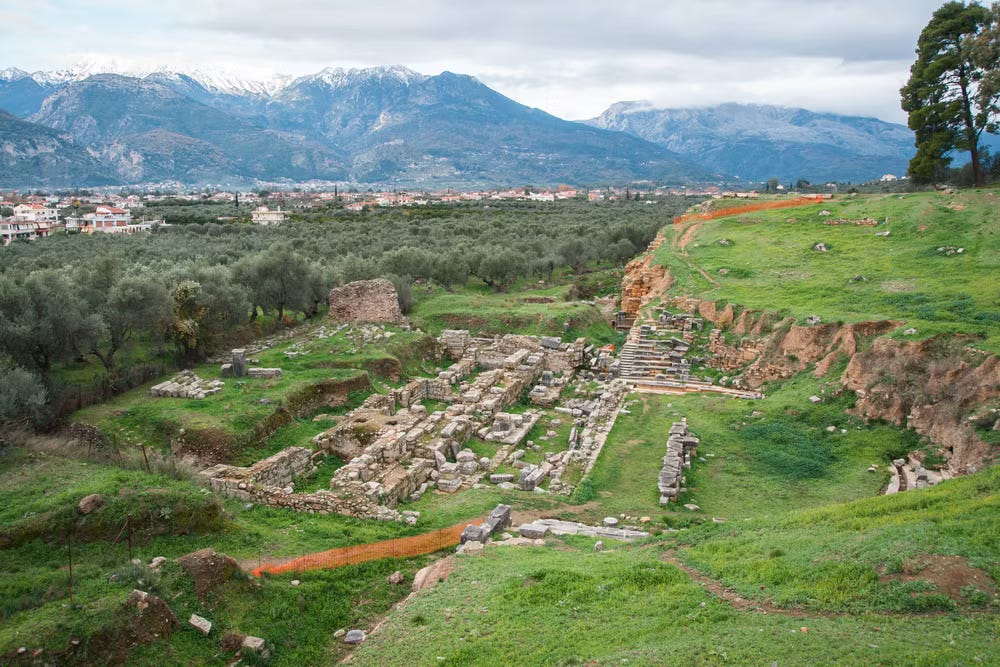
Centuries before Rome ever debated the question, Athens and Sparta had already run two opposite experiments in the same city-state world.
By the 5th century BC, Athens ran on metics, resident foreigners who paid a special tax, fought its wars, and built much of its trade economy. They never became citizens.
Sparta, in the same era, opted the other way with xenelasia, periodically expelling foreigners to protect a closed military culture it considered too fragile to dilute.
Neither city was wrong. Athens traded rights for labor. Sparta traded growth for control.
That same tension runs through every emergency cabinet meeting in Madrid this week: open the gates for the labor and trade outsiders bring, or close them to protect the cohesion already inside.
Whichever side you pick, Athens or Sparta already tried it for you.
Rome Enlisted Migrants As Its Army
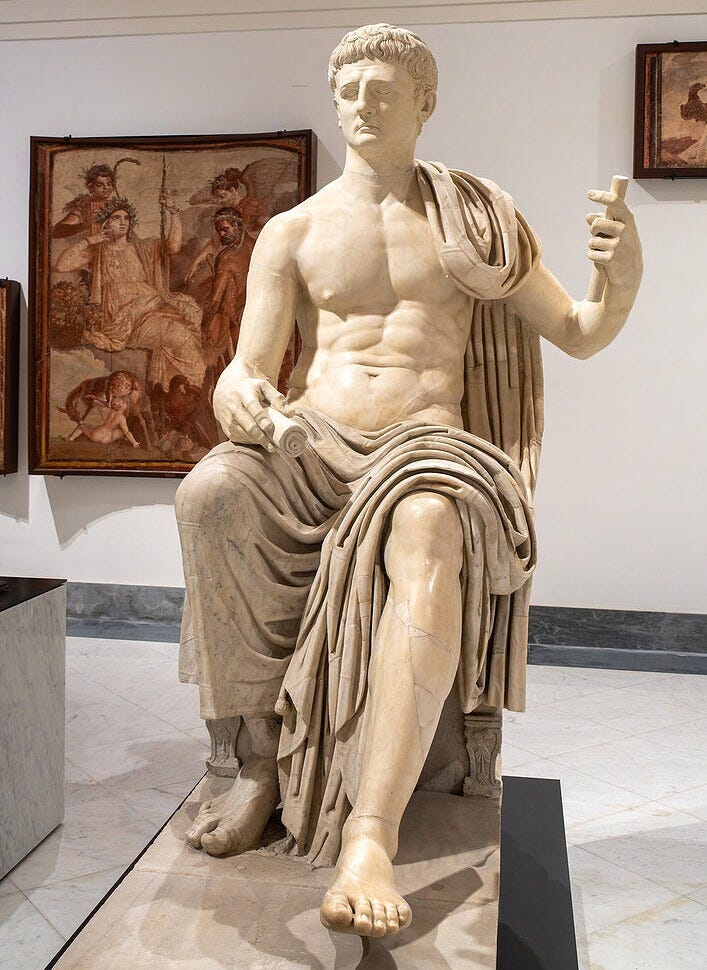
Rome answered the “who, and when” question two different ways, four centuries apart, and lived through the consequences of both.
The successful version gives us an ancient transcript. In 48 CE, Emperor Claudius stood before a reluctant Senate to argue that Gallic nobles should be allowed to hold office in Rome, and made his case with a history lesson.
Rome’s own founder, Romulus, turned conquered enemies into fellow citizens the same day he defeated them, he said, and immigrants had already ruled in Rome more than once.
Then came the line that should be remembered somewhere in Madrid this week: Sparta and Athens fell because they kept treating the conquered as permanent aliens instead of absorbing them.
The Senate changed its vote.
Citizenship kept expanding until it covered nearly every free man in the empire by 212 CE.
The catastrophe arrived on the doorstep in 376 CE, when Rome let large groups of Goths cross the Danube as allied foederati, refugees turned into a buffer army, given land in exchange for troops.
Smaller groups of foederati had settled this way before without incident.
This time, Roman officials running the resettlement extorted the Goths for food, at one point charging them dog meat at outrageous prices until families sold their own children into slavery to cover the difference.
Fritigern, the Gothic leader who’d led his people across the Danube in good faith, watched it happen before he gave the order to fight.
Two years later, in 378 CE, the Goths crushed a Roman army at Adrianople and killed an emperor.
Not the foreigners, but the graft of the officials managing them, brought down that army and nearly an empire.
Rome did this experiment twice. One ending built an empire. The other led to its fall.
Ceuta Was Never a Wall
Thousands swimming the breakwater at Ceuta this week isn’t new. The Phoenicians established a foothold there by the 7th century BC. Carthage inherited it by the 6th. Rome folded it into the province of Mauretania Tingitana in the 1st century CE.
Vandals took it in the 5th century, Byzantines reclaimed it in the 6th, and Arab dynasties held it from the 8th century onward. Each one arrived from the same direction the current crossings are coming from.
The sea itself has never been a hard line between two separate worlds. For more than 2,500 years, whoever controlled the Strait controlled who crossed it.
That control changed hands again and again.
Spain’s Turn to Answer
Protect the homeland. Decide who gets in, and when.
Every civilization on a migration route has had to answer these questions, usually while standing on the ruins of the last civilization that responded differently.
For the people arriving in Ceuta last week, the journey is new. The question waiting for them is ancient.
Assyria answered it with deportation. Egypt with expulsion. Israel with law. Athens with taxation. Sparta with exclusion. Rome tried both expansion and restriction.
Spain will answer it in its own way.
Whether that answer succeeds or fails, it won’t be unprecedented.
Every generation thinks their crisis is the one that ends everything. History keeps disagreeing. If you want more proof the world has survived worse, three history essays arrive in your inbox every week.
Past Passport also covers AI topics for non-technical creators.
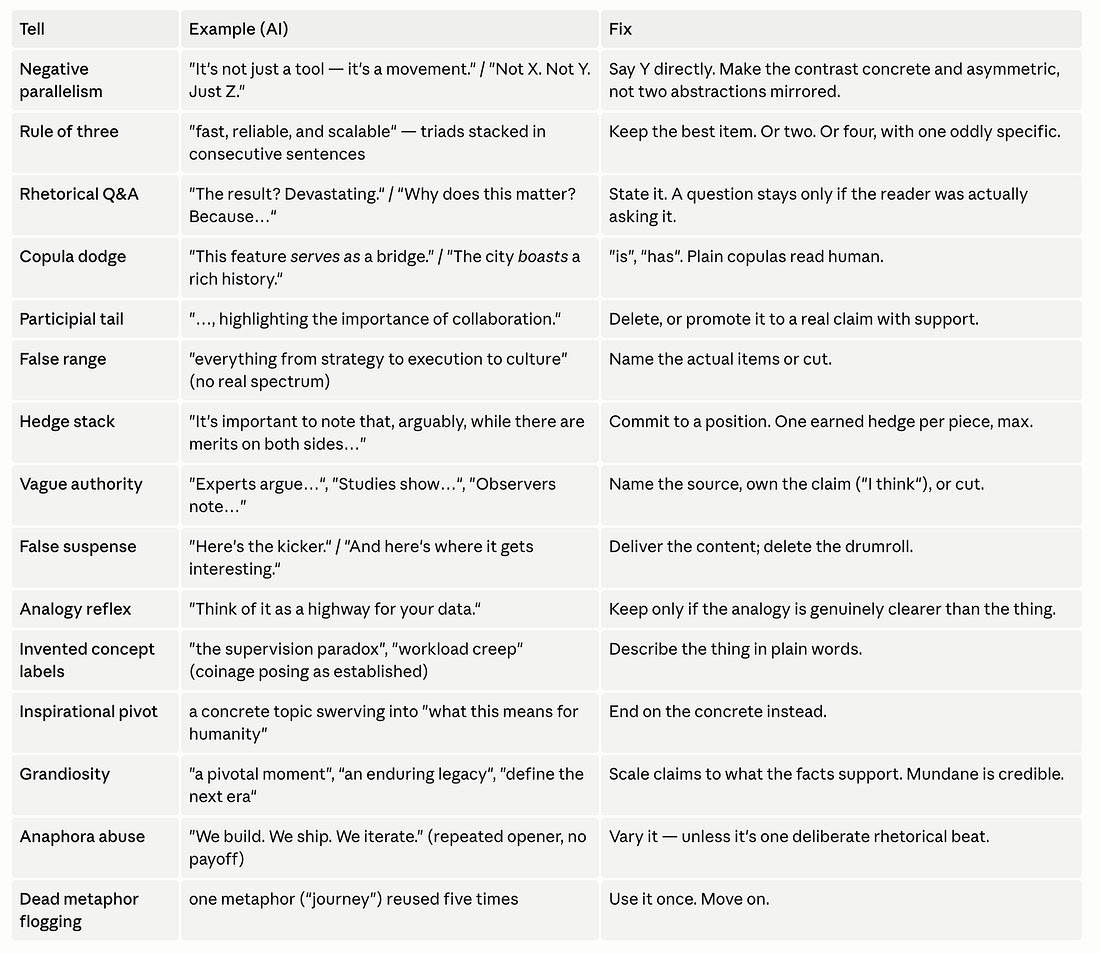
How to Un-AI Your Writing and Sound Like You
I use AI for my first drafts, but I spend 3-4 hours on subsequent drafts. Much of that time is removing AI constructions and making the content sound like yours truly.
Three AI constructions to watch for in your writing are:
Negation-parallelism: “It’s not just a tool. It’s a movement.” Two abstractions dressed up as insight, saying nothing concrete. Fix: pick one claim and state it directly.
Vague authority: “Experts argue that...” with no name attached. It borrows credibility from nowhere. Fix: name the source, or drop the claim.
Dead metaphor flogging: the “journey” metaphor reused five times in one piece. This is a big one that Claude loves to use, no matter how often I correct it. Fix: use it once, then describe the thing plainly.
It’s the same underlying problem as the last three: each of these lets the writer sound like they said something while actually saying nothing checkable.
A reader can’t act on “the result? overwhelming,” but they can act on “sign-ups tripled in a week.” Specificity is what makes writing worth reading twice, and every one of these constructions is a workaround for not having a specific claim to make.
Here’s a full chart of AI constructions to remove from your essays (h/t Ruben Hassid):
Very interesting way of looking at a deeply complex contemporary issue through an historical lens!
The Athens and Sparta comparison gets right to the heart of it. Every border policy comes with a tradeoff.