

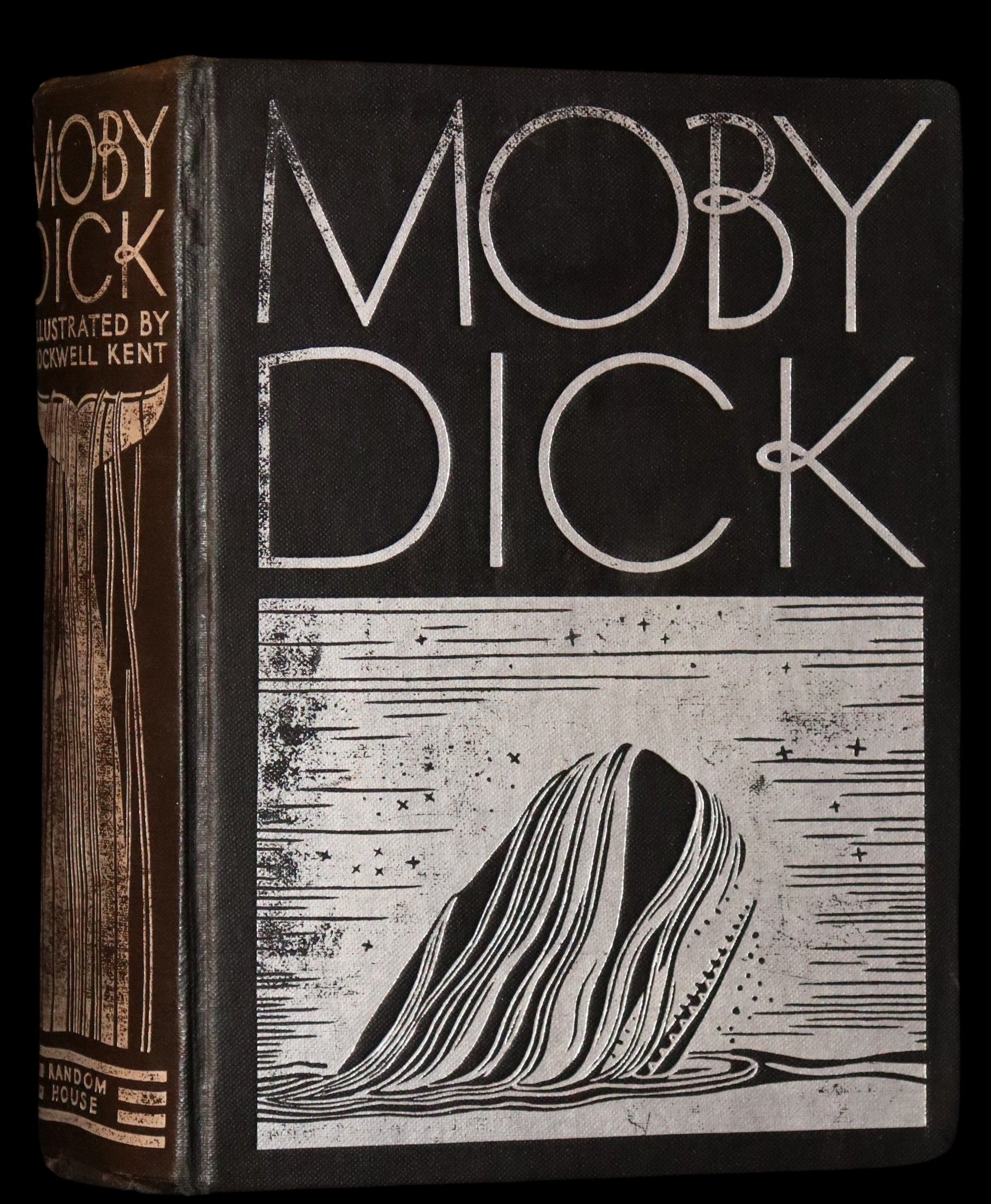
Herman Melville died in New York on September 28, 1891. Few cared.
Ok, The New York Times obituaries allowed him three whole lines the next morning. The notice called him the author of “Typee, Omoo, Mobie Dick, and other sea-faring tales.”
Mobie Dick.
Forty years after the book came out, the Times couldn’t even bother to spell it right.
Moby-Dick turned 175 over the weekend. William Faulkner told the Chicago Tribune in 1927 that Melville’s whale was the one book he put down thinking:
“I wish I had written that.”
You could knock Melville over with a feather if he were still around. The book sold a meager 3,215 copies in America in his lifetime.
Ever felt like the work you pour yourself into goes nowhere fast and nobody notices? Melville is your patron saint. Good work can take faaaar longer to get noticed than we’d like.
Ask me how I know.
Doesn’t mean we ever give up.
Melville never did, and he left three clues on how to keep going.
This is the week’s free article from Past Passport. Step away from negative social media and towards the best of the past: art, beauty, great books, history's heroes.
The crowd can be flat wrong for seventy years
Melville was not a nobody author. He jumped ship in the Marquesas in 1842, and his book about it, Typee, hit the bestseller lists. Typee sold him as the “man who lived among the cannibals,” and readers wanted more island adventures.
Instead, he came up with a whale tale.
A huge, strange whale story... sermons, whale anatomy, chapters written like a stage play, a captain named Ahab who talks like King Lear on a bad day.
The book was Out There.
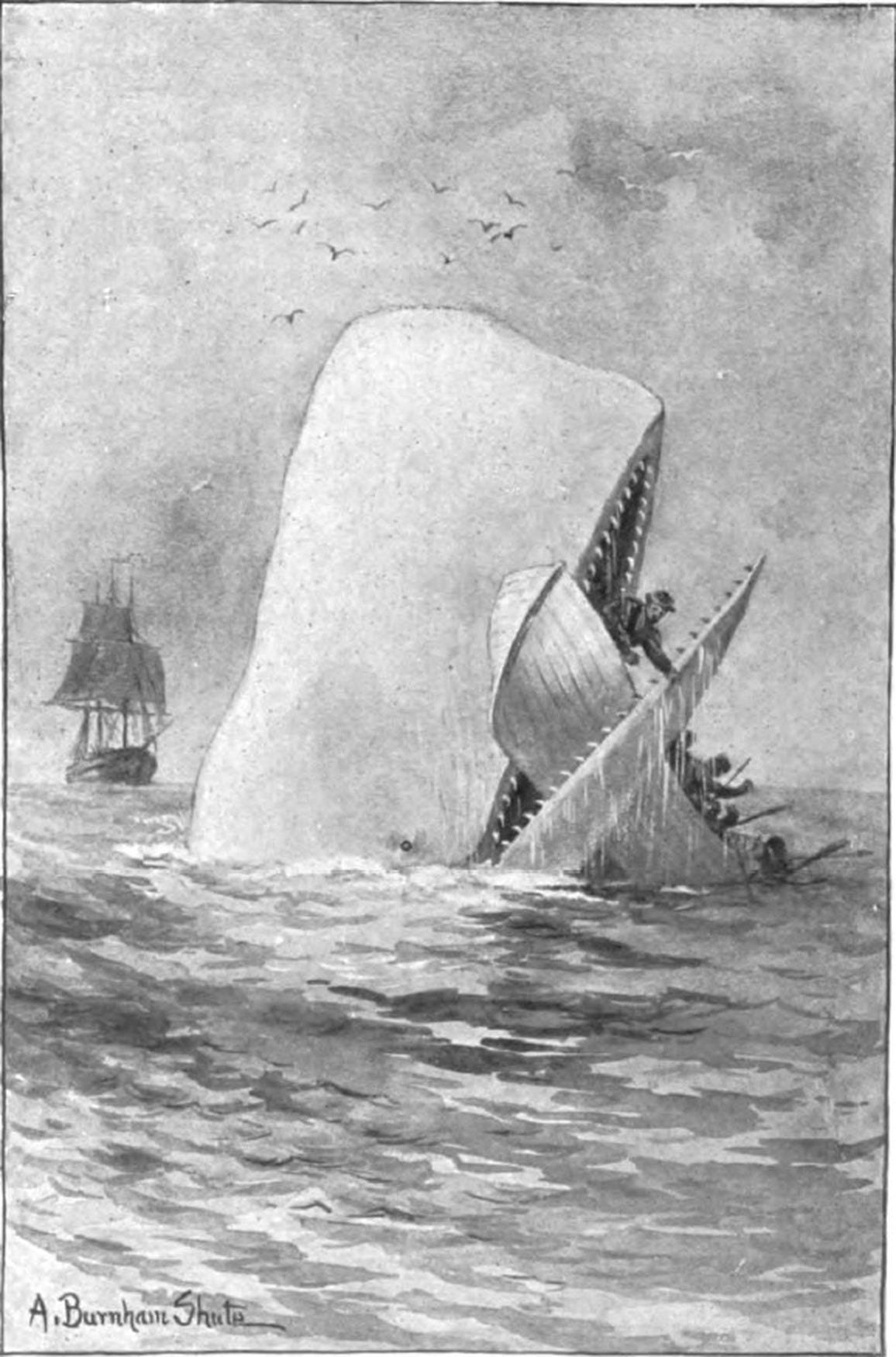
London got its hands on the book first, as The Whale, in a run of only 500 copies. The publisher left out the Epilogue, the part where Ishmael survives.
British critics read a story told by a guy who apparently drowned at the end. Some loved it anyway.
The Athenaeum, London’s big literary weekly, had other ideas. It filed it with “so much trash belonging to the worst school of Bedlam literature.”
The American edition of Moby-Dick hit the stands on November 14, 1851. The public yawned.
The Boston Post opened its review by agreeing with the Athenaeum, then told readers the book wasn’t worth the price.
Over the rest of Melville’s life, Moby-Dick earned him about $1,260 total. By the time he died, the book was out of print.
Write what moves you, critics be damned
Melville saw the trouble with the whale tale coming a mile away.
While finishing the book, he wrote to his friend Nathaniel Hawthorne: “Dollars damn me.” And then: “What I feel most moved to write, that is banned... it will not pay. Yet, altogether, write the other way I cannot.”
He wrote it his way. When it was done, he told Hawthorne, “I have written a wicked book, and feel spotless as the lamb.”
You can hear his grin. The man knew what he’d made, even if nobody else had a clue.
Try it once this week: make the thing the way you’d make it if nobody were keeping score.
Show up even when it’s crickets
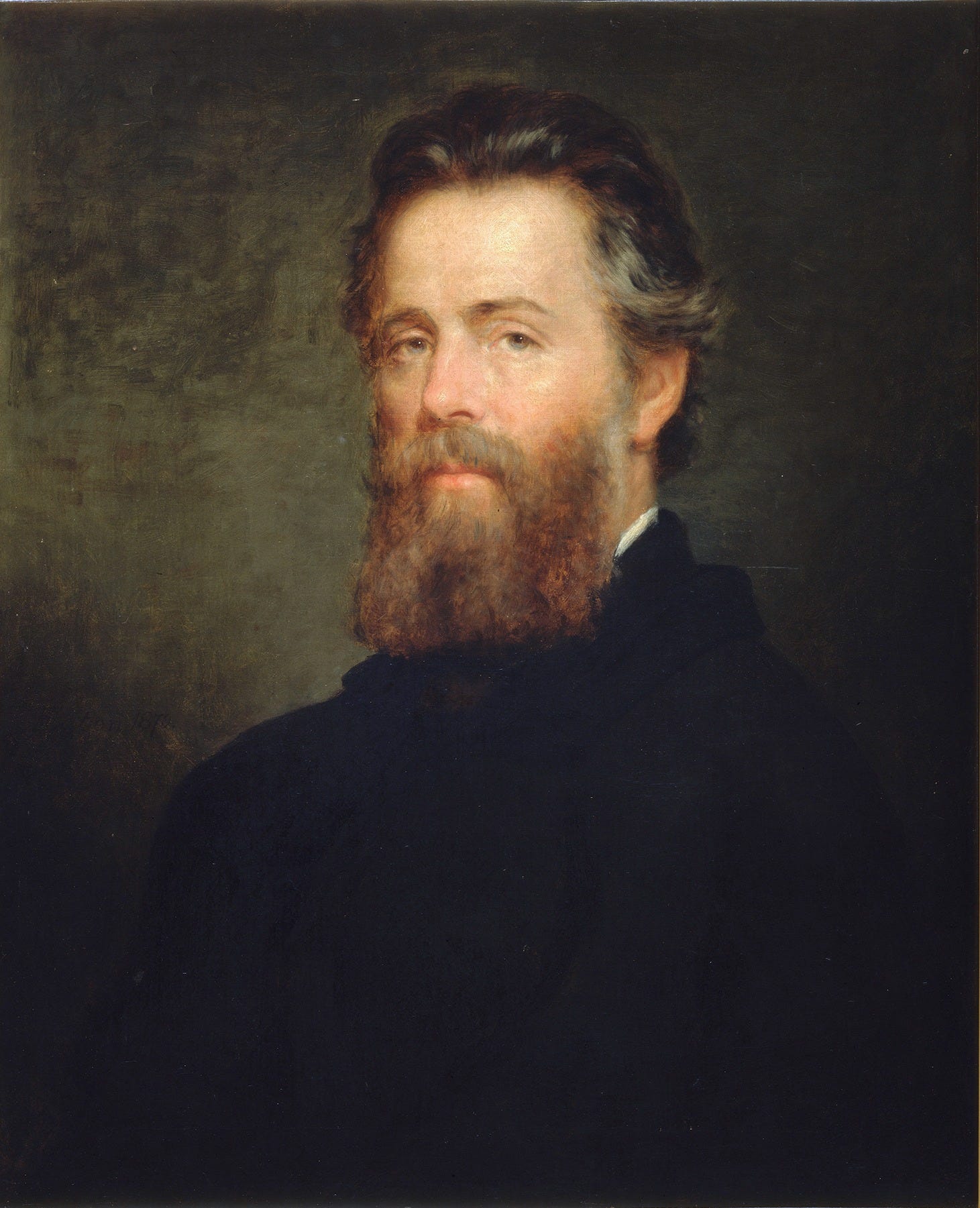
Melville needed steady money by 1866, so he became a customs inspector on the New York docks. Four dollars a day, six days a week.
He toiled in that thankless work for 19 years without a raise.
One year on the docks paid about $1,250. Moby-Dick paid him the same... over 40 years.
Corruption was everywhere on those smelly wharves. His brother-in-law wrote that Melville quietly handed back bribe money people stuffed in his pockets behind his back.
I dig that detail. Forgotten and underpaid, he still handed the money back.
He kept writing poetry on the side, which also smacked into a brick wall.
Melville’s setup was a paycheck by day and poems by night. Steal it: keep the job, and guard 30 minutes that belong to the writing.
Columnist Edward Bok wrote in 1890 that more people believed Herman Melville was dead than knew he was alive. Melville died the next September, at 72.
A few days later, the New York Times admitted he had “died an absolutely forgotten man.” Among his papers sat an unfinished manuscript called Billy Budd.
Then the tide turned.
A Columbia professor named Raymond Weaver started digging into those papers around Melville’s 100th birthday, in 1919. His 1921 biography helped kick off the Melville revival.
Weaver also found Billy Budd and got it published in 1924. Today, “Call me Ishmael” might be the most famous first line in American fiction.
The whale even spawned a Steven Spielberg flick. (Quint in Jaws is Ahab with a shark.)
Seventy years. Melville missed all of it.
Melville’s in good company
John Kennedy Toole wrote a comic novel set in New Orleans, A Confederacy of Dunces. Simon & Schuster turned it down, and he died in 1969, only 31. His mother, Thelma, kept mailing the manuscript out for years. Rejection after rejection. Then she pestered novelist Walker Percy into reading it in 1976.
Percy started with “the sinking feeling that it was not bad enough to quit,” and ended in disbelief that it was so good. LSU Press published it in 1980, and it won the Pulitzer Prize the next year.
Bless that stubborn woman.
And then we have Vincent van Gogh. He painted hundreds of canvases in his short life, and almost nobody bought one.
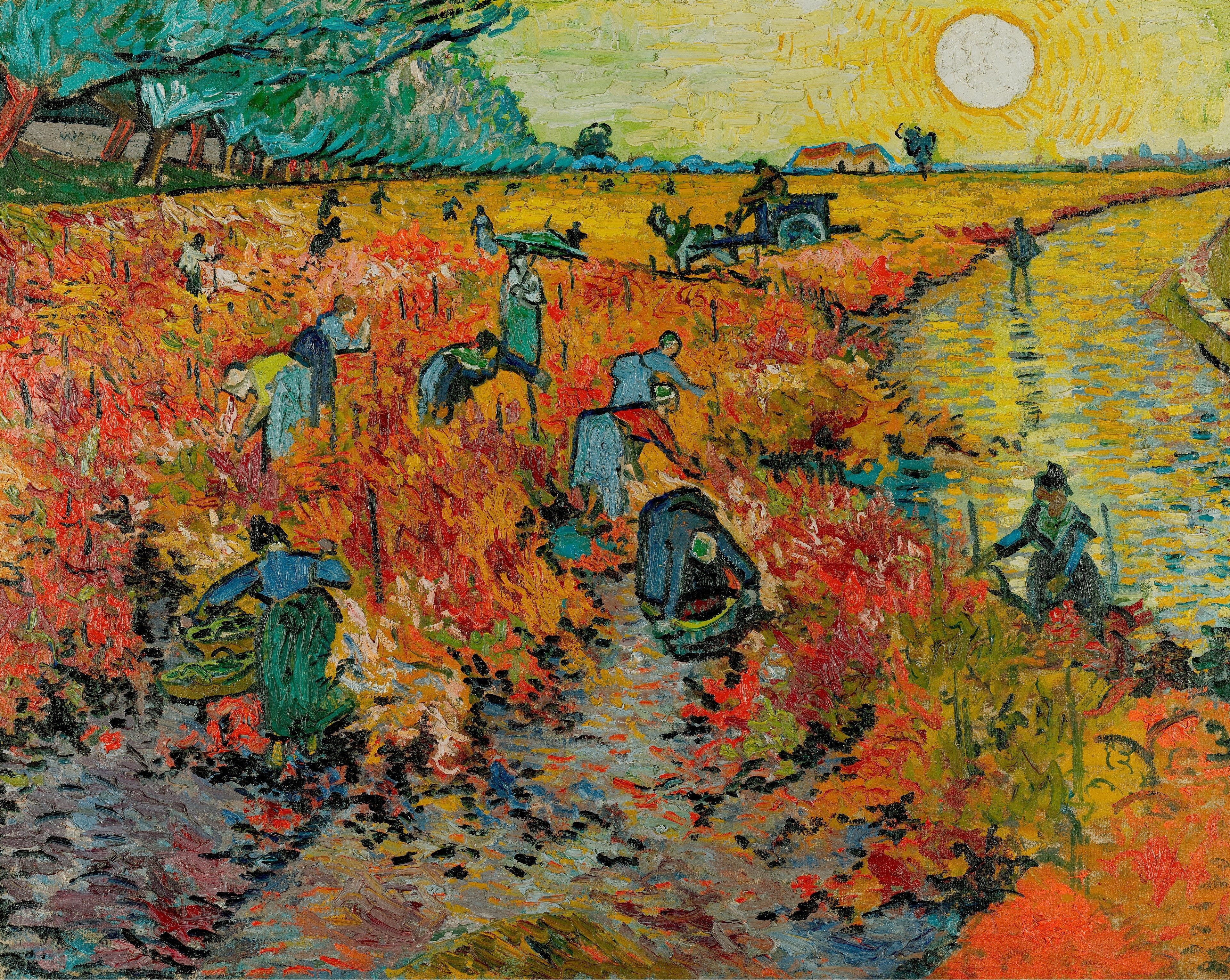
The only one he’s known for selling for certain was The Red Vineyard, bought by the Belgian painter Anna Boch for 400 francs at a Brussels show in 1890, a few months before he died.
Today, people line up around the block in Amsterdam and Paris to see his work.
Toole never held his Pulitzer, and van Gogh never saw that line in Amsterdam. Both of them did the tough work anyway.
Look at the world like Ishmael
Check who survives Moby-Dick.
Captain Ahab spends the whole book hunting the whale that took his leg, and it drags him and his ship down. Ishmael, the sailor telling the story, goes to sea because he’s “tormented with an everlasting itch for things remote.”
He’s curious about everything, from the whales to Queequeg, the tattooed harpooner who becomes his best pal.
Ishmael floats home on Queequeg’s coffin. Ahab never comes home.
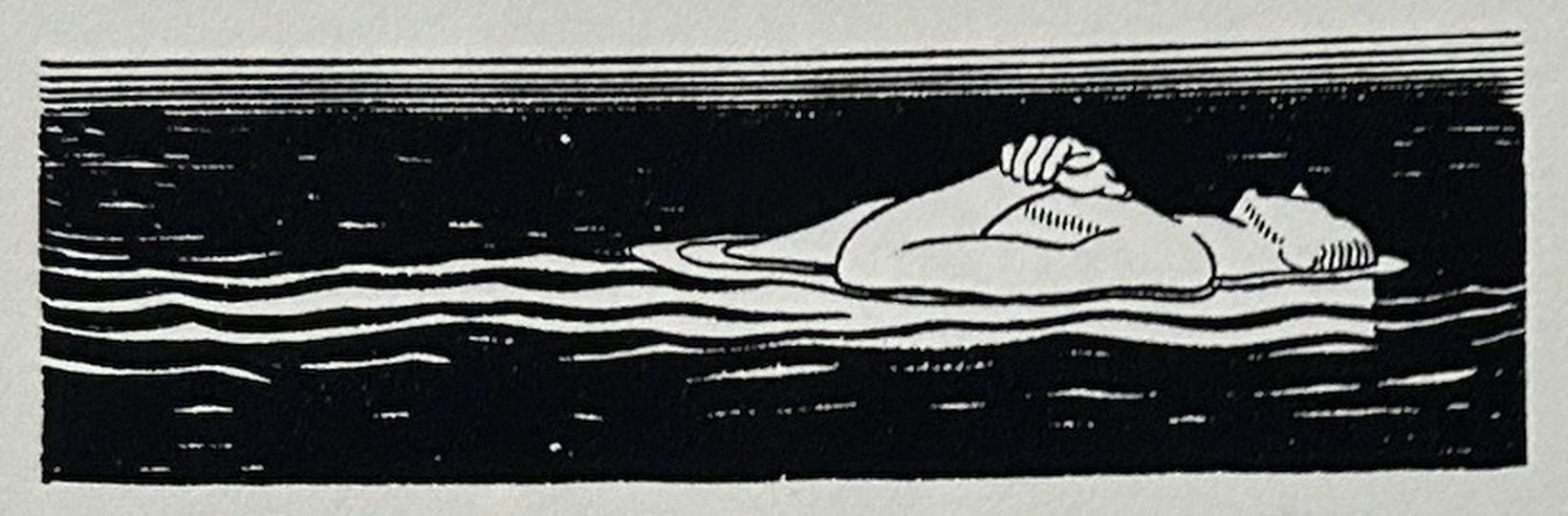
Melville had 40 years to go full Ahab on his critics. He wrote poems and Billy Budd instead.
Ahab would have loved himself a smartphone. One thing to hate, served fresh and hot every morning. Ishmael would have looked up from his and gone hunting for whales.
So here’s to Herman Melville, Vincent van Gogh and Thelma Toole, who kept going when nobody clapped.
And here’s to you, doing good work this week in a so-far empty room.
The whale outlived every critic who panned it. Your work just might, too.
Reject doom, float home, my friends ✨
Be an Ishmael. Step away from the daily outrage and spend ten minutes with the best of the past instead.
Subscribe to Past Passport for four free essays a month on the books, art, and stubborn people worth remembering.
Excellent post.
I love the line, "Ahab would have loved himself a smartphone."
Ahab (rage-texting Moby-Dick): "@#$%^&"
Moby-Dick (who reads Marcus Aurelius): [Silence. Which says, "You're not worth my energy."]