

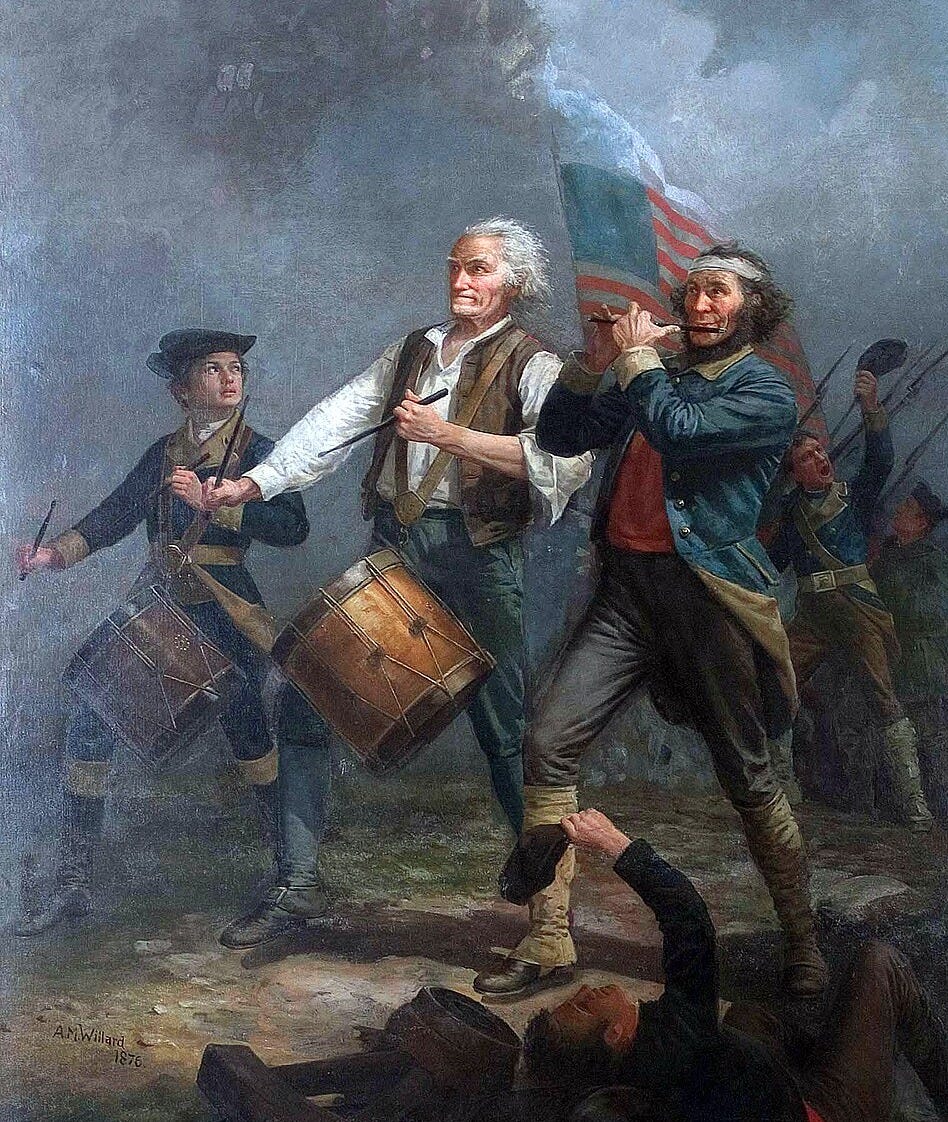
Every generation has a moment where it feels like everything is crashing.
You’ve probably felt one yourself.
The Great Depression. Two world wars.
9/11. The 2008 financial crisis. COVID.
A contested presidential election that half the country was certain would end the republic.
Tempting to think these are country-shattering tests. They aren’t. America has faced great tests and long odds many times and survived.
Even prospered.
On America’s 250th anniversary, we study nine turning points when the nation’s history hung in the balance: one bad decision or a lost battle could have ended everything.
America came out stronger.
1. Nobody Knows Who Fired First. It Lit a Revolution
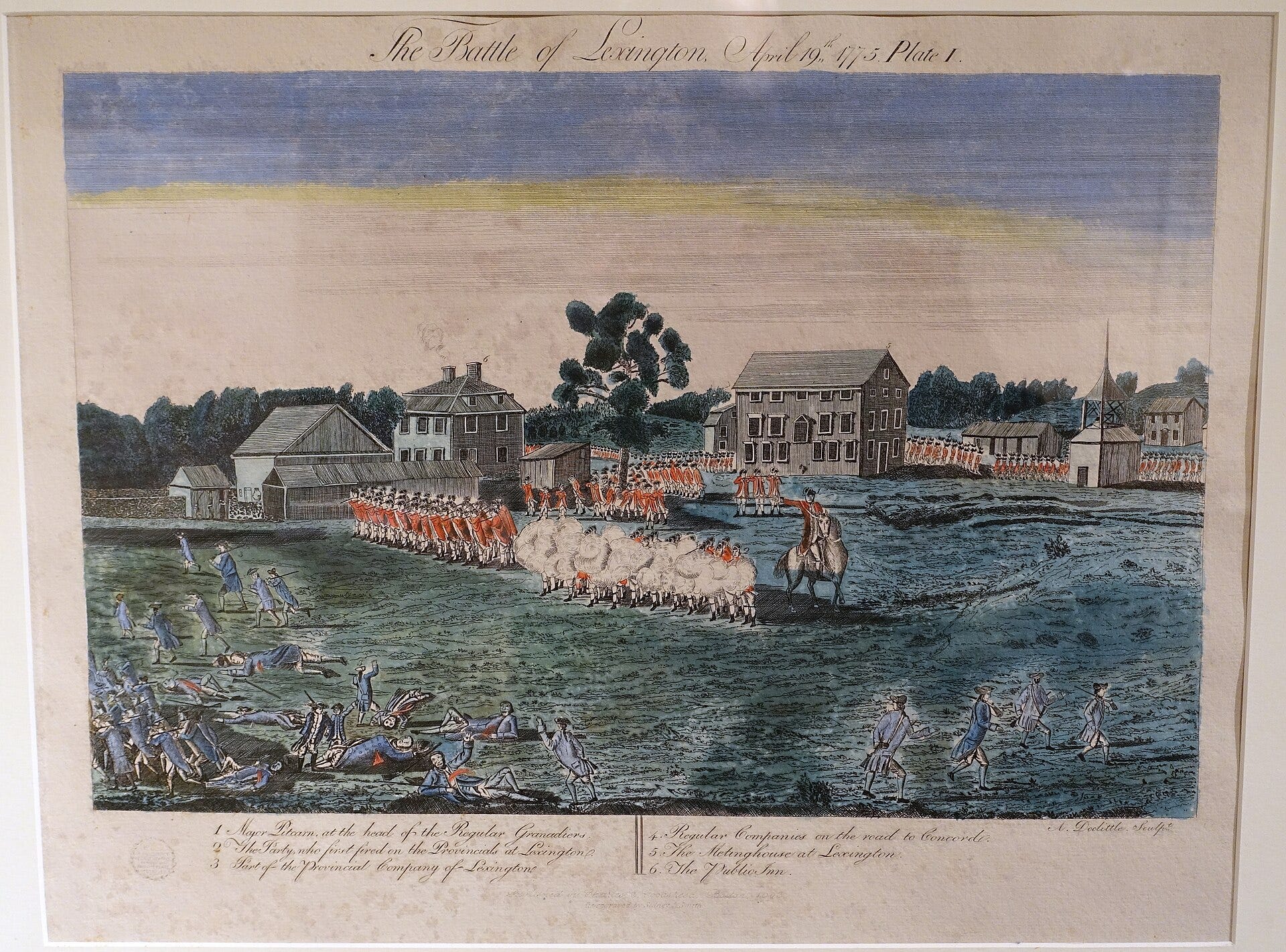
April 19, 1775.
Seven hundred British troops marched out of Boston at night to seize colonial weapons in Concord. Paul Revere rode ahead to warn the countryside. Dawn broke over Lexington Green with seventy militiamen standing between an empire and a farm town.
Someone fired. We don’t know who. Both sides carried the same smooth-bore muskets, and both blamed the other before the sun went down that day.
By the time the British retreated to Boston, seventy-three of their own were dead. The colonists had proven something nobody expected: they would fight.
2. Three Thousand Men Crossed a River That Should Have Killed Them
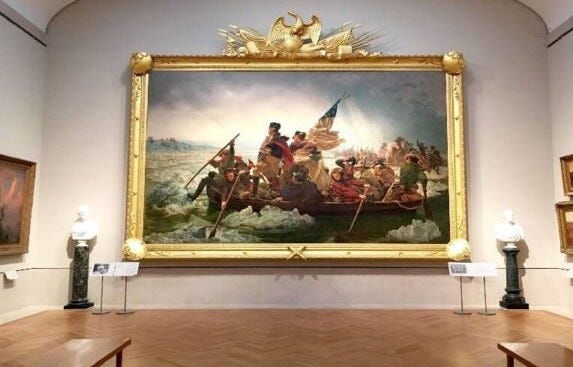
By Christmas 1776, Washington’s army had shrunk from 16,000 men to under 3,000. Enlistments were about to expire. He wrote his own brother that the war looked lost.
Six days later, those men crossed an ice-choked Delaware River in a nor’easter, marched nine miles through the storm, and beat the most feared soldiers in the world before dawn. Some had no shoes. Officers wrote of bloodstains in the snow.
Nobody turned back.
Maybe you’ve had a day where quitting made more sense than continuing. Soldiers all around Washington were deserting. His men could have done the same. They crossed the river instead.
3. The British Plan to Split America in Half Ended With 5,800 Surrenders
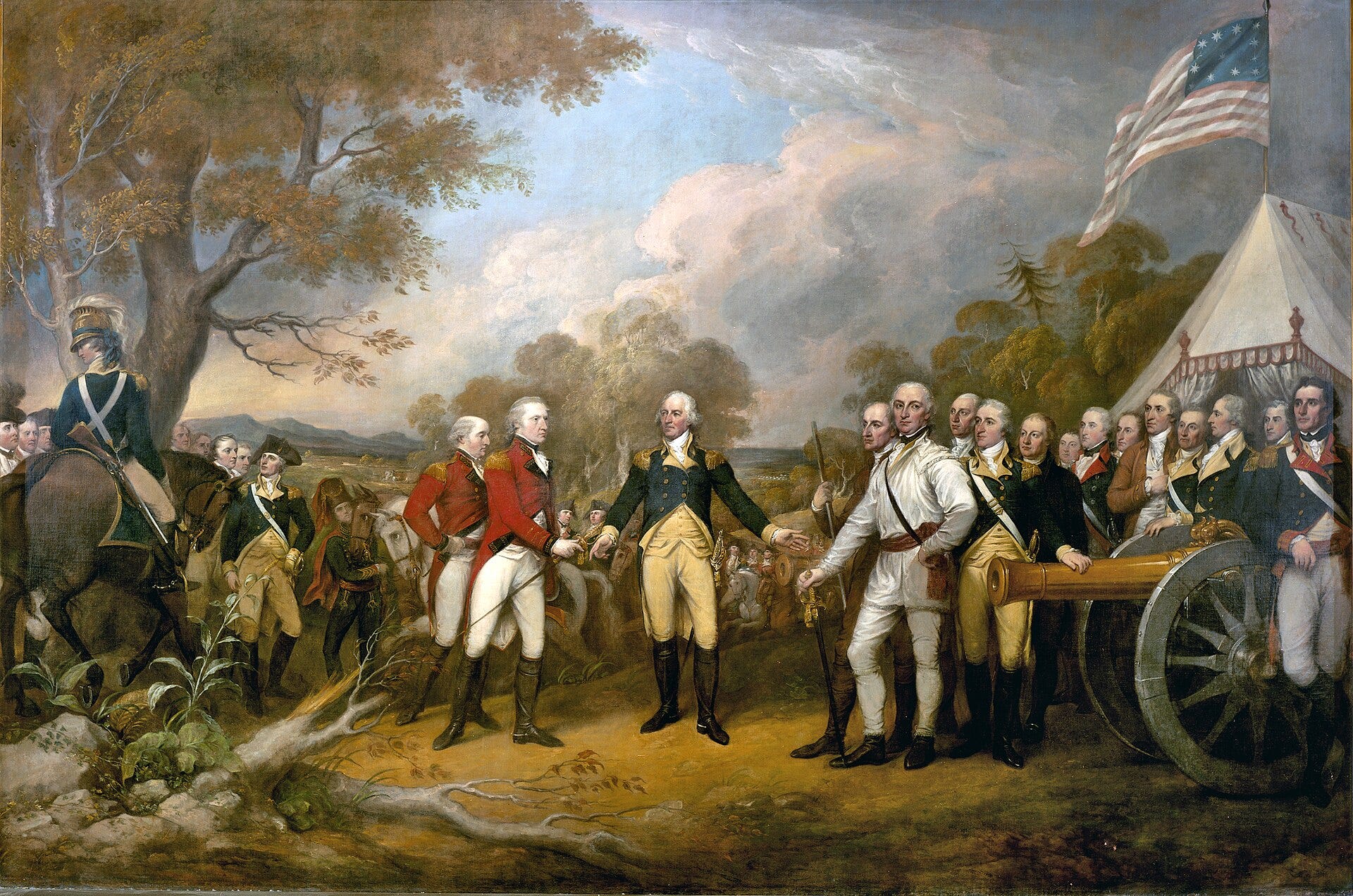
By the fall of 1777, the British had a plan to cut the colonies in half and win the war. General Burgoyne marched south from Canada, expecting an easy victory. He met American riflemen hiding in the New York woods instead.
Twice, at Freeman’s Farm and Bemis Heights, the Americans broke him. On October 17th, nearly 5,800 British and German troops surrendered.
France, watching from across the ocean, decided the rebellion might win after all. They signed a treaty. The war had an ally now.
4. An Army Starved Itself Into a Real Fighting Force
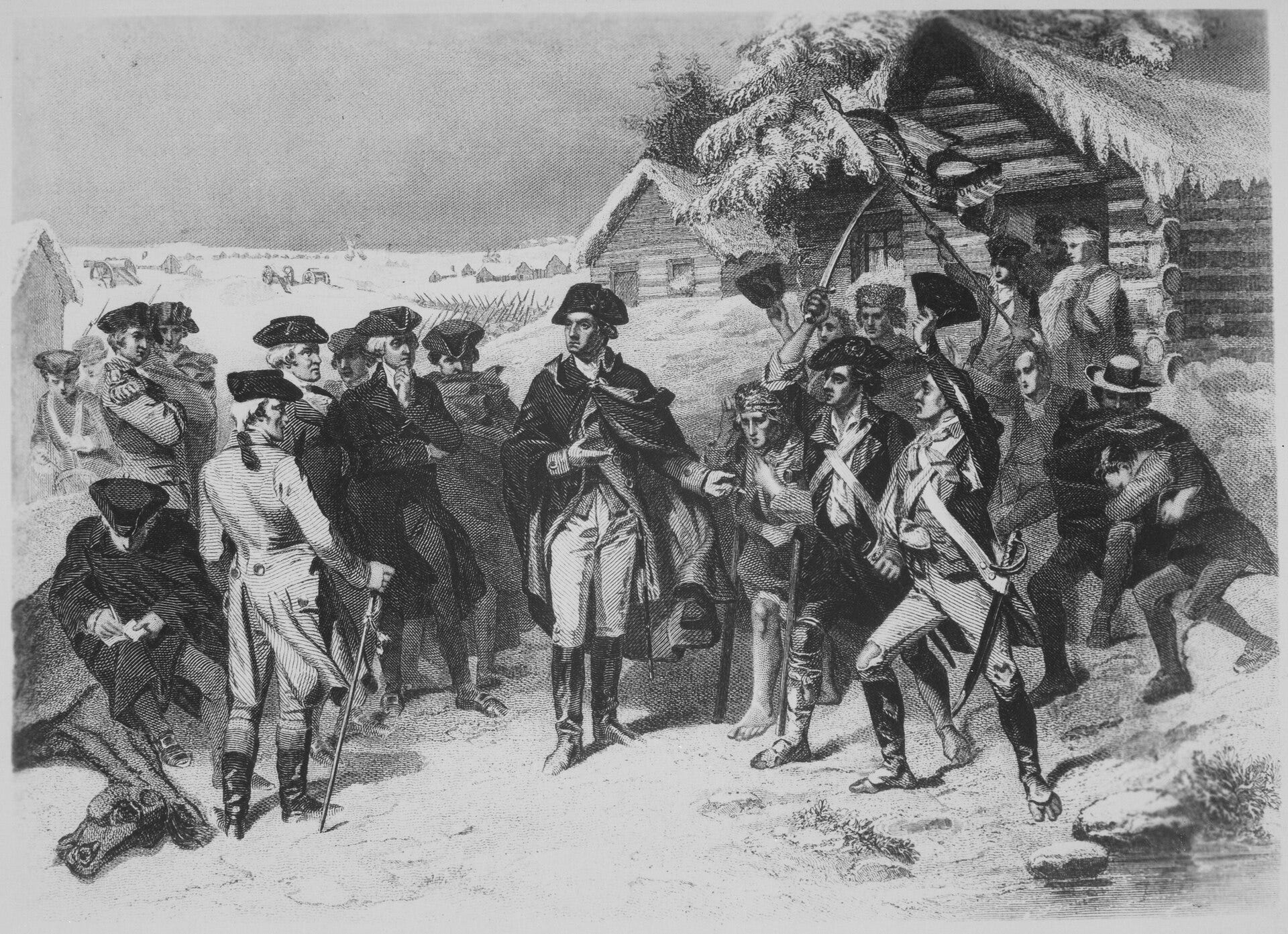
The British never attacked Valley Forge that winter. They didn’t have to.
Twelve thousand men in the Continental Army spent the winter of 1777 in crude log huts with almost no food, clothing, or shoes. Disease killed close to 2,000 of them before spring.
Prussian officer Baron von Steuben arrived in February and started drilling the survivors in real European tactics. He barely spoke English.
He drilled them in German and French, and when he needed to curse at someone in English, he had a translator do it for him.
The army that walked out of Valley Forge in June wasn’t the one that walked in. It was disciplined. It was professional.
It could win.
5. The Compromise Nobody Fully Loved Built a Country
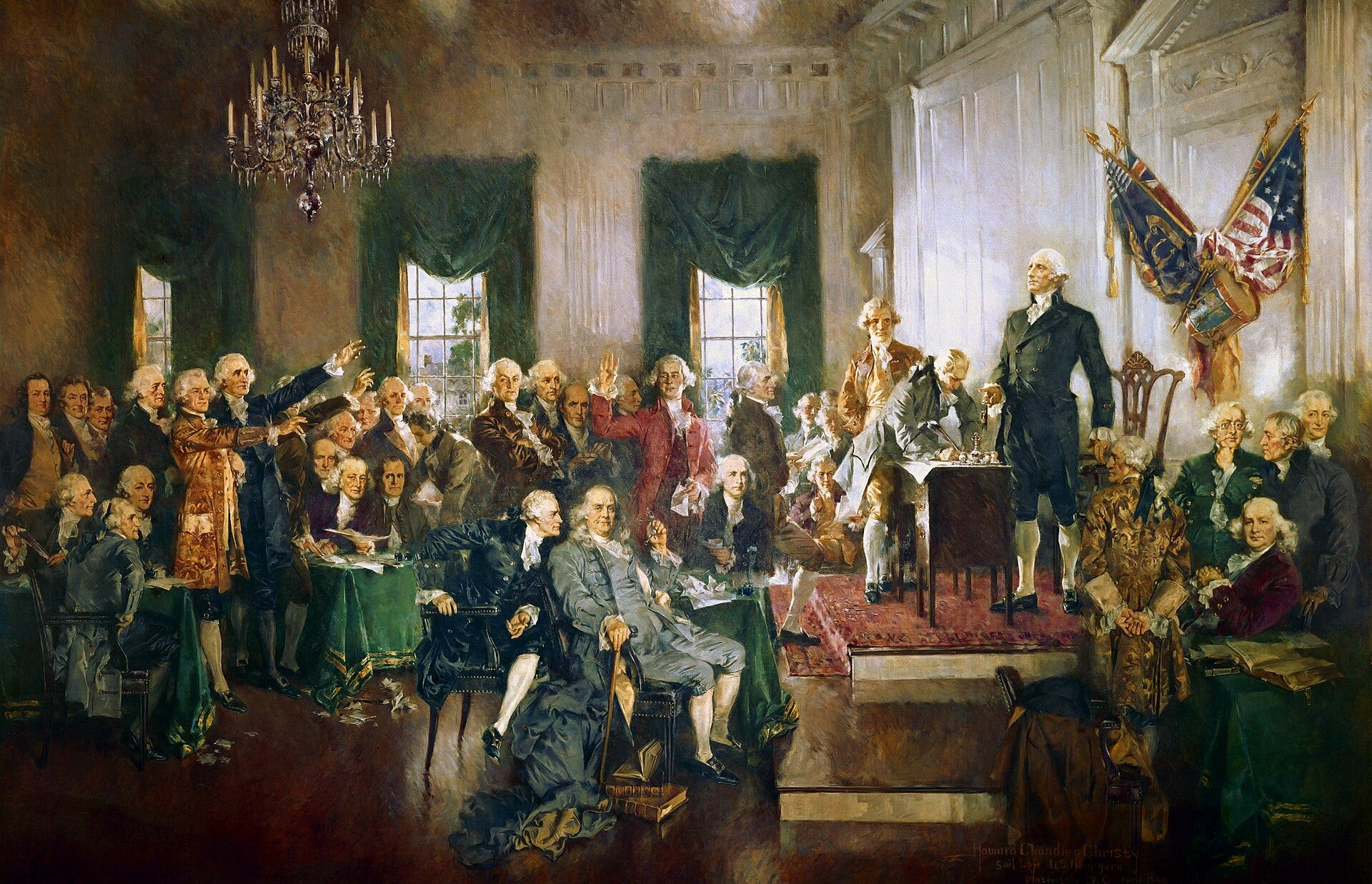
Summer, 1787, Philadelphia. Delegates met behind closed doors, and windows nailed shut, in heat thick enough to choke on, to fix a government that wasn’t working.
Roger Sherman proposed a compromise nobody fully loved: one house of Congress by population, one by equal votes per state. It held the room together long enough to finish. The result was the Constitution, still standing 235 years later.
You’ve been in a room where everyone disagreed, and someone found the one idea both sides could live with. That idea built the America we know.
This is a reader-supported publication.
Three world history pieces a week. The real stories behind the myths, the moments that actually decided everything.
Subscribe for $5 a month.
6. Fifteen Million Dollars for Nearly a Million Square Miles
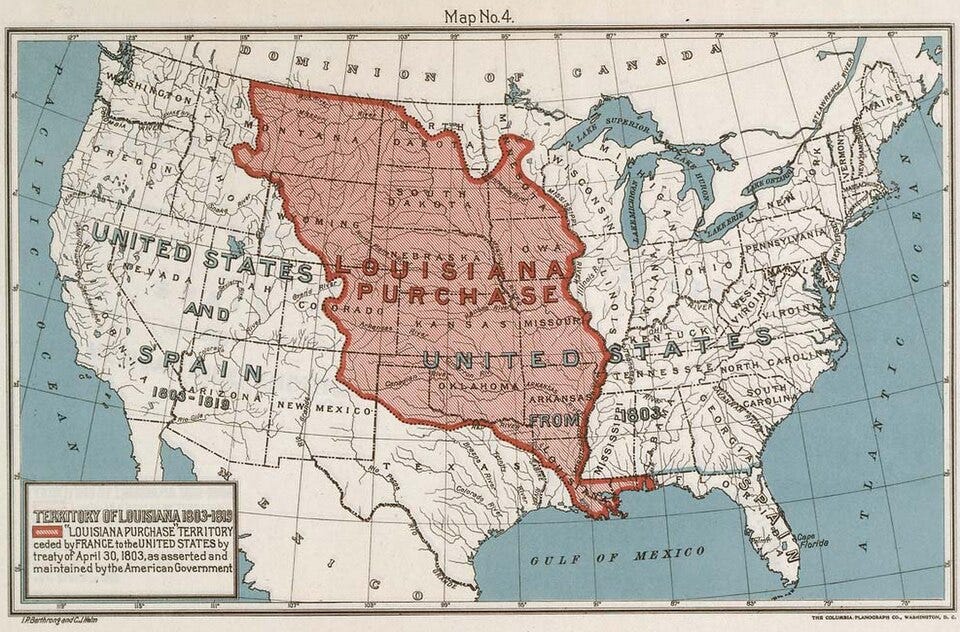
By 1803, Congress was preparing to authorize American troops to seize New Orleans by force.
War loomed again.
Jefferson was ready to abandon decades of distrust and ally with Britain to stop France from taking the port. Then Napoleon offered to sell the entire territory instead.
Napoleon needed cash. Jefferson wanted New Orleans. What he got, in the spring of 1803, was the entire Louisiana Territory: 828,000 square miles for about three cents an acre.
That land is more than a quarter of the continental United States today.
The United States doubled in size overnight, on a deal announced to the country on July 4th. Lewis and Clark set out the next year to find out what Jefferson had actually bought.
7. A Bombardment With No Deaths Started a War That Killed 600,000
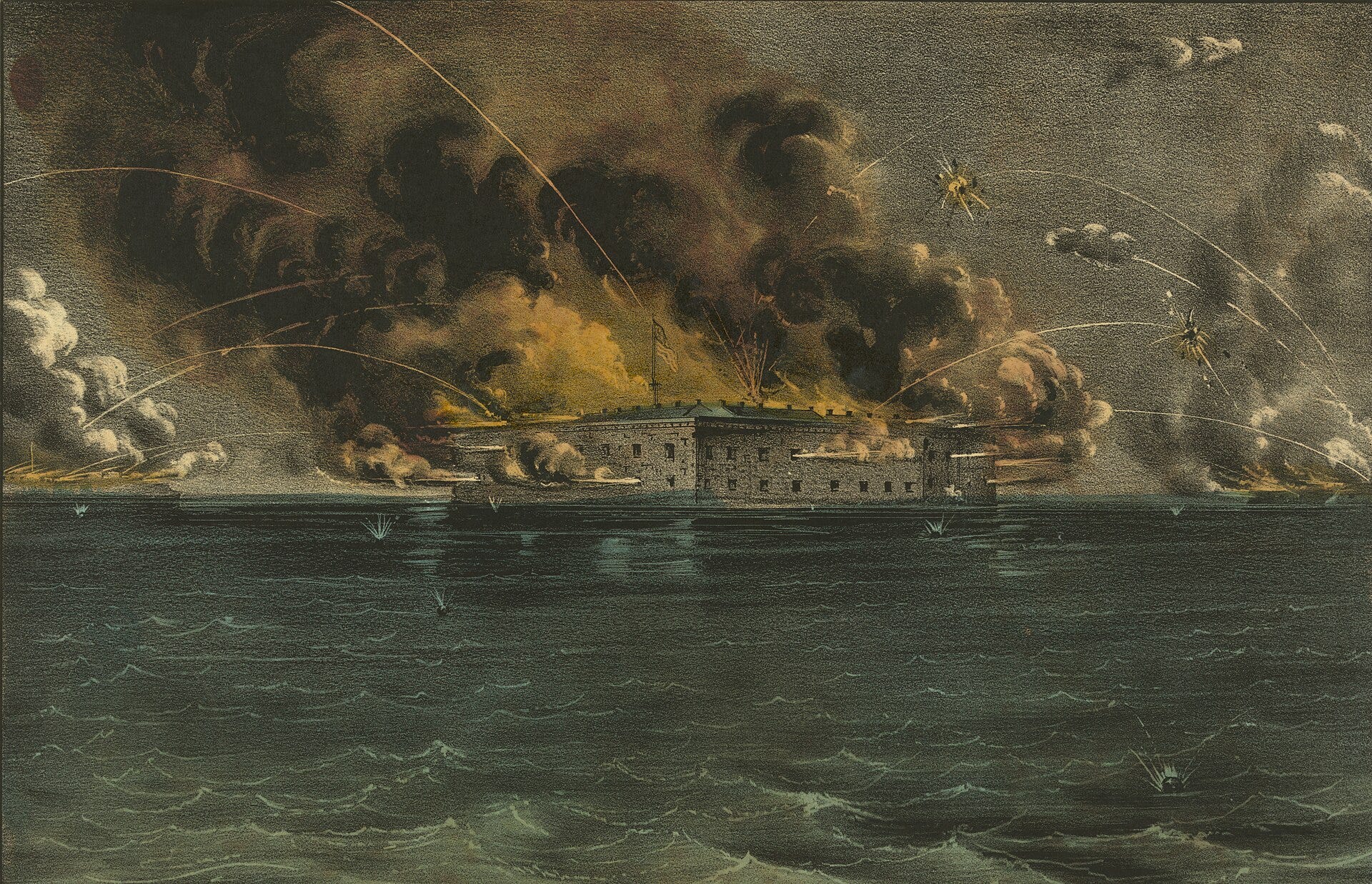
April 12, 1861. Confederate cannons opened fire on Fort Sumter, a Union fort sitting in Charleston Harbor. The bombardment lasted 34 hours. Nobody died in the shelling itself.
The first man killed in the entire Civil War died two days later, by accident, during the ceremonial salute marking the fort’s surrender.
The war that followed became the deadliest in American history. It started with cannon fire over calm water at dawn, and almost nobody who watched it that morning understood what they were witnessing.
You’ve seen a small thing turn into something nobody could contain. This is what that looks like at the national scale.
8. General Lee Surrendered in Someone’s Living Room
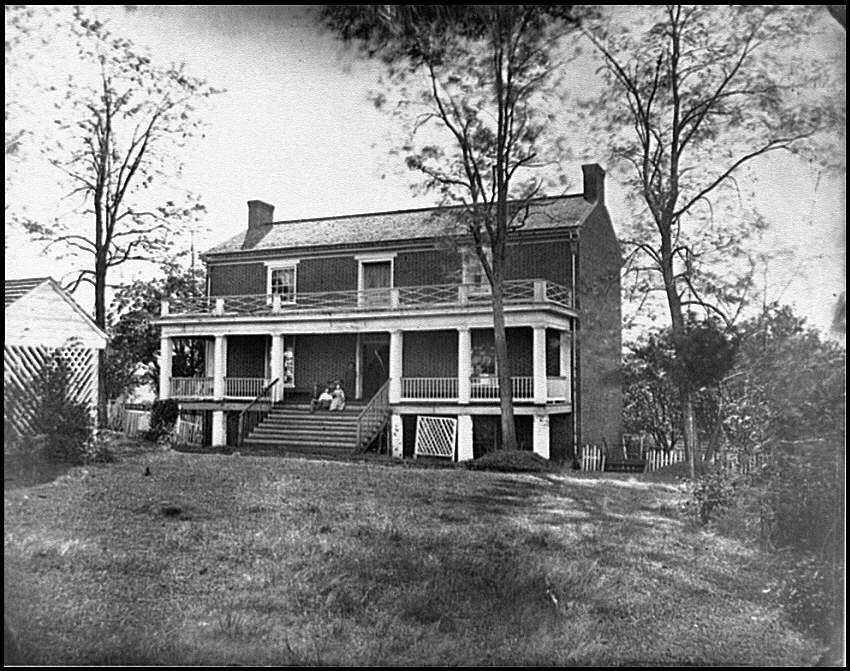
By April 1865, Lee’s army was starving, surrounded, and finished. He met Grant in a farmhouse parlor near Appomattox Court House to end it.
The man who owned that house had moved there specifically to escape the war. Four years earlier, a Union shell had landed in his kitchen at his old farm near Bull Run, where the war’s first major battle was fought.
Grant could have demanded everything. He let Confederate soldiers keep their horses for spring planting and sent food to men who’d been starving for days. Twenty-eight thousand troops laid down their weapons without another shot being fired.
After 600,000 killed, you know how easy it would have been for Grant to choose humiliation instead of mercy. The country had a chance to become one again, and it did.
9. He Won the Revolutionary War and Walked Away
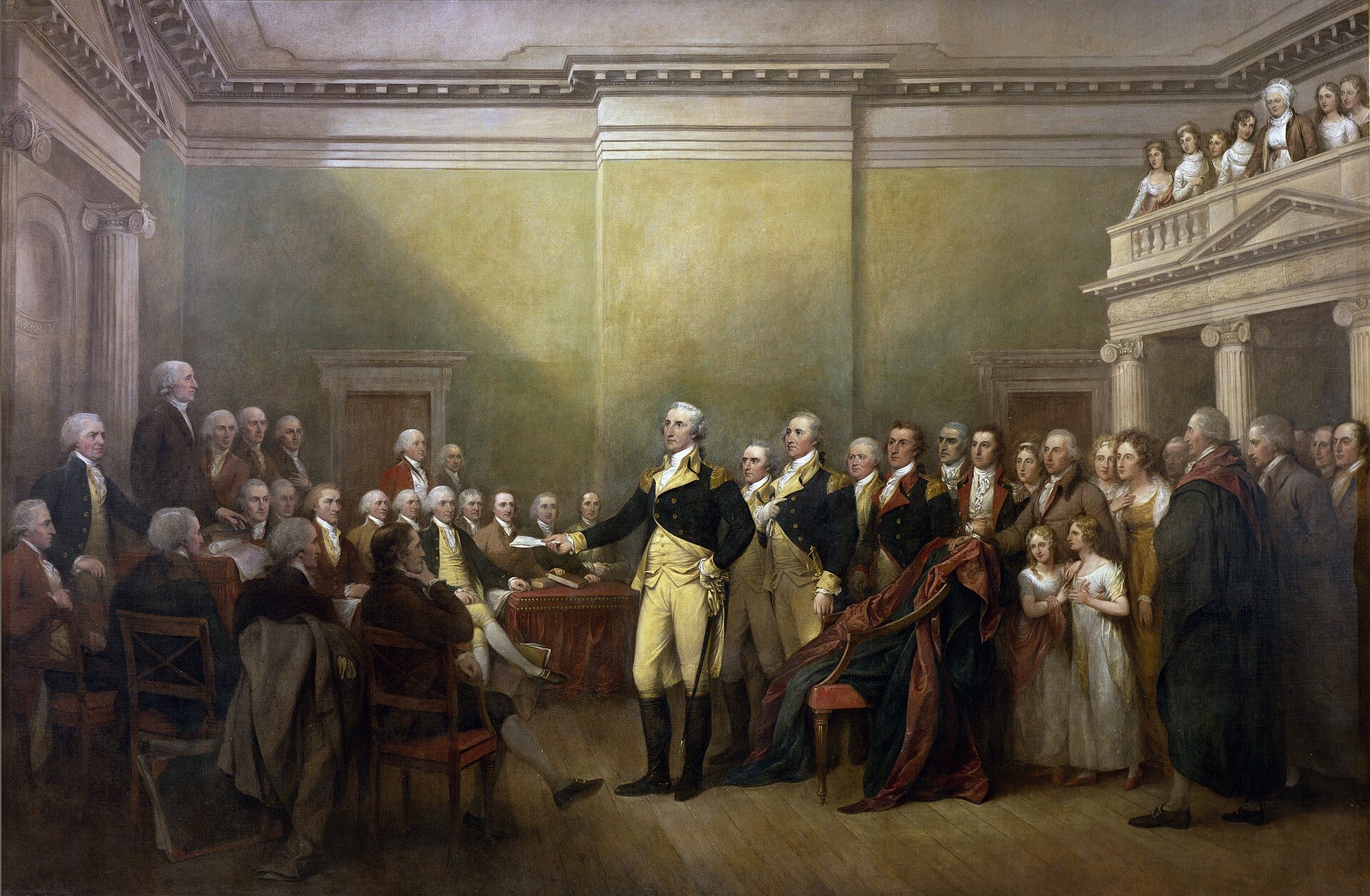
December 23, 1783. The Revolutionary War was over. George Washington was victorious. He could have kept his army, kept his power, ruled for the rest of his life. Nobody would have stopped him.
He walked into a room in Annapolis, addressed Congress, and handed back his commission. Then he walked away, riding home to Mount Vernon.
A king across the ocean reportedly said that if Washington actually gave up power, he’d be the greatest man in the world. He did. He was.
Caesar didn’t walk away. Cromwell didn’t walk away. Napoleon crowned himself emperor six years after this very war ended. Washington handed the power back.
That’s the precedent America was built on.
Nine times, one bad decision, one lost battle, or one man’s ambition could have ended this before it started. It didn’t.
Every generation thinks its test is the one that finally breaks the country.
None of them has been right yet.
America’s next crisis won’t be the end, either.
Nine times. Nine moments where one bad decision could have ended this before it started. It didn’t.
That’s the whole archive here: the times it almost didn’t work, and the people who showed up anyway.
Subscribe for $5 per month. There are 241 more years of this worth knowing.
All good stuff here. I’ve never really considered it, but I guess I’m now thankful it was Grant at Appomattox.
In other words, we wouldn’t have a country today if Sherman handed Lee’s surrender.
It's important to remember the resilience that built the United States into what it is today. Thank you for sharing, brother, and happy fourth.