

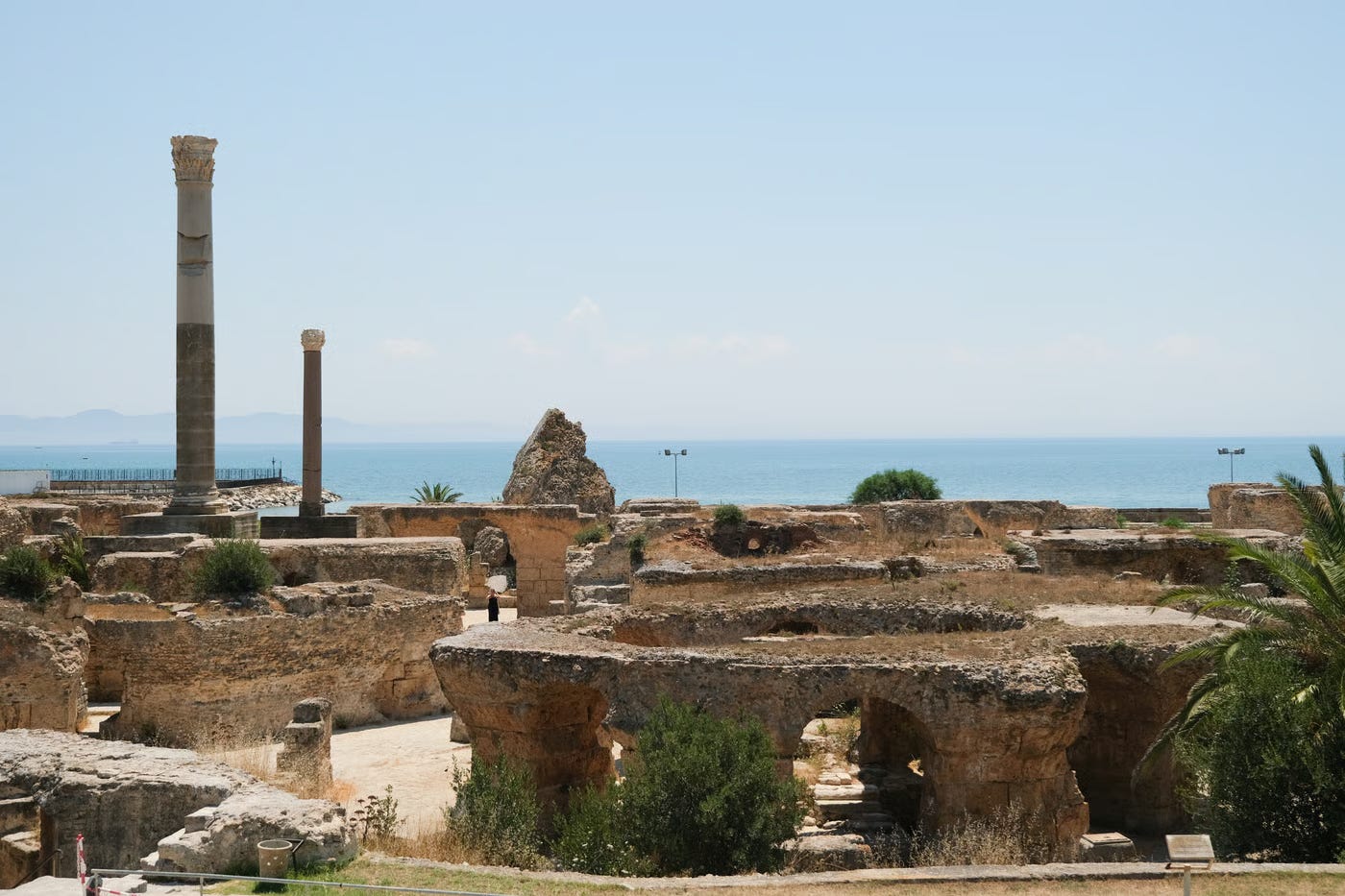
This is ancient Carthage. Almost none of it is Carthaginian.
Nearly every ancient column and every brick you see above is Roman. Rome crushed its nemesis on the coast (now Tunisia) so decisively that it built a new city on top of the old.
(The story that Rome salted the earth is a myth, though. - ed.)
For nearly 500 years, Rome had no king. It was a Republic: two elected consuls who served one year each and a Senate of former officeholders.
The rule was that no single man should hold power for long.
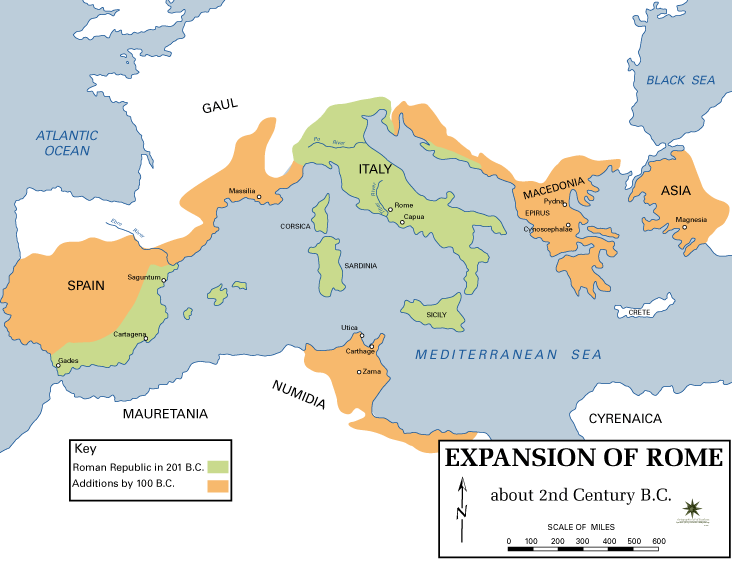
In 146 BC, that system ruled Italy, Sicily, Sardinia, Corsica, and the Spanish coast. With Carthage gone, no other power in the Mediterranean could match it.
The Republic was at its mightiest.
Yet less than a century later, one man ruled Rome, and the Republic was dead.
The end began in 146 BC.
Rome’s general Scipio Aemilianus watched Carthage burn. He had won, and he wept.
Beside him stood Polybius, a Greek historian, who heard him quote Homer on the fall of Troy and say that Rome would have the same day. Scipio couldn’t say how. Polybius could.
Why did the Roman Republic start to fail right after its greatest victory?
Try Past Passport free for 7 days. Paid subscribers get:
3 weekly history essays. Easy reading. No dull dissertations.
3 weekly quick summaries of how we use AI to create every essay.
1 extra monthly newsletter, rotating between a full AI breakdown for writers and video and a Stoic philosophy article.
1-week free trial, then just $5 per month.
A senator argued Rome needed its enemy alive
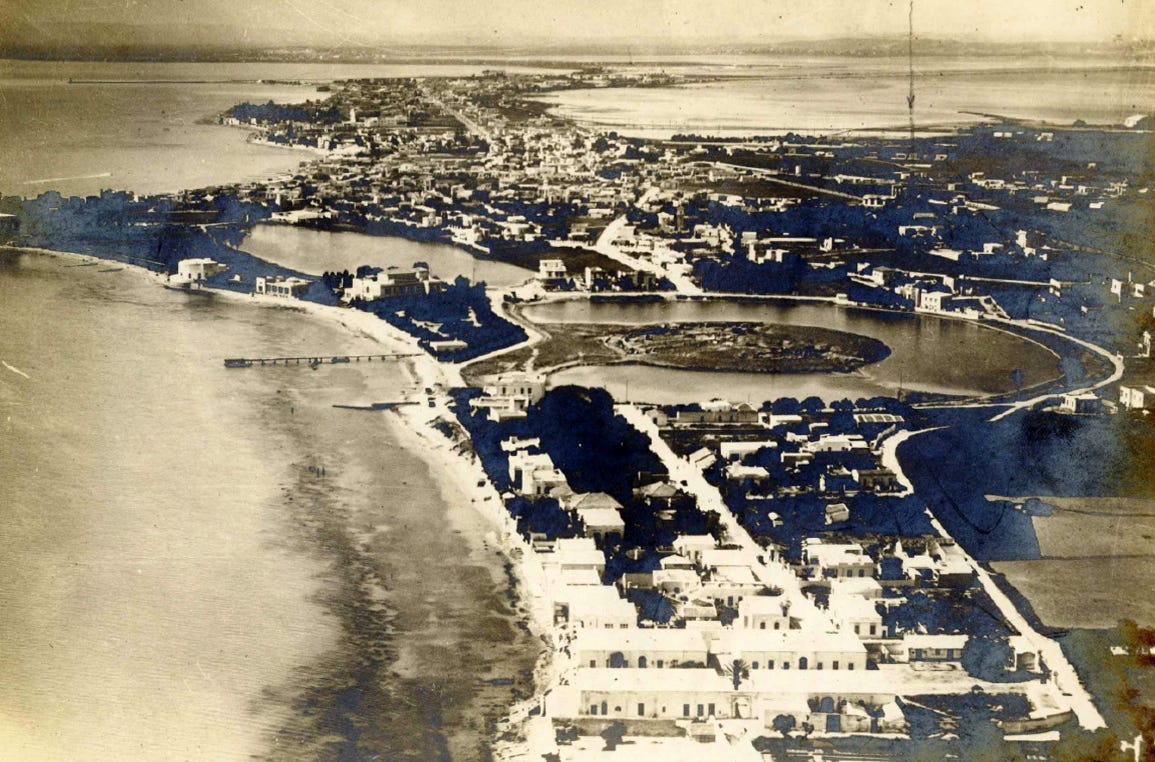
Carthage lost its empire to Rome for good at Zama in 202 BC. The terms left it ten warships and a bill for 10,000 talents, to be paid over fifty years. Carthage also couldn’t make war without Rome’s permission.
The Roman historian Livy says the Carthaginians offered in 191 to pay the whole debt at once, and the Senate turned the money down. By the 150s the city was rich again.
The senator Cato went to Carthage on an embassy in 152 and came home rattled. Later writers say he ended every speech with Carthago delenda est:
Carthage must be destroyed.
The writer Pliny the Elder adds that he held up a fresh fig in the Senate. Said it was picked in Carthage three days earlier.
A senator named Scipio Nasica took the other side. Plutarch says he closed his own speeches with the opposite line, that Carthage should be left standing.
His argument wasn’t mercy.
Later writers say he thought fear of Carthage kept Romans disciplined. That a Rome with no rival would turn on itself.
No transcript of either man’s speeches survives. Plutarch and Appian wrote 250 to 300 years afterward.
Would you have voted to keep your biggest rival alive?
Rome didn’t.
In 150, after years of losing land to its neighbor Masinissa, king of Numidia, while Roman arbiters sided with him, Carthage fought back without Rome’s permission.
Rome called it a breach of the treaty and declared war the next year. Cato died that same year, 149, with the city he wanted gone still standing.
The siege lasted three years. In the spring of 146, Roman troops broke into the city.
Victory is often when trouble starts
Polybius said it best. A state that survives great dangers and reaches uncontested supremacy, he argued, gets used to prosperity. Men fight too hard over public office.
Stirred up by grievances and flattery, the people demand the lion’s share for themselves. The state keeps the finest names, freedom and democracy, and becomes mob rule (Book 6).
He described how successful states generally decay. Readers have applied it to Rome ever since.
A century later, the historian Sallust gave the idea a Roman name: metus hostilis, fear of the enemy. Before Carthage fell, he says, the Senate and people governed with moderation, and fear of an outside enemy kept citizens decent to each other.
Once the fear lifted, arrogance and appetite moved in. In Catiline, he puts it more darkly: with Carthage destroyed at the root, Fortune began to rage and throw everything into confusion.
With no rival gathering outside the walls, Romans found one inside.
Modern groups follow the same pattern. Companies that corner their market and teams that win too long can drift the same way.
Microsoft had smacked around every rival in desktop software by the early 2000s. Kurt Eichenwald reported in Vanity Fair that its divisions spent the next decade fighting each other, fueled by a ranking system that pitted coworker against coworker.
The Lakers won three straight titles, and then Shaq and Kobe spent their energy on each other until Shaq was traded in 2004. If you’ve worked anywhere that finally beat its biggest competitor, you probably know the drill.
Success eases the pressure that kept people pulling together, and the energy turns inward to status and turf.
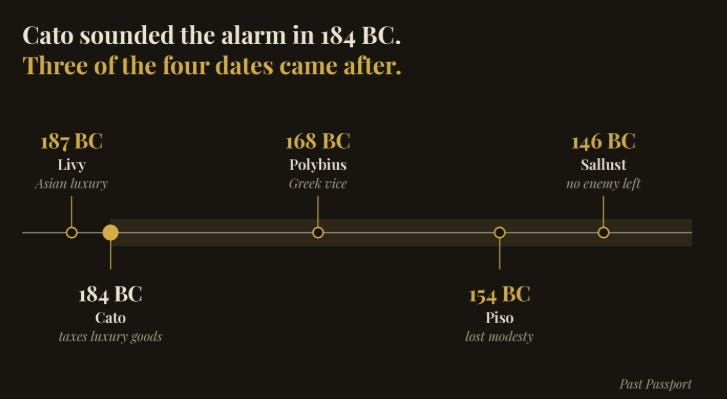
Romans dated the decline to four different years
Romans argued for a century over when the rot set in.
187 BC. Manlius Vulso’s army comes home from Asia with bronze couches, fine tables, and dancing girls. Livy says that’s where Rome learned luxury. He wrote 160 years later.
168 BC. Rome breaks Macedon at Pydna. Young Romans come back from Greece wanting boys, courtesans, and banquets. Polybius saw it and wrote it down.
154 BC. Piso says public modesty died here. He was consul in 133, the year Gracchus was clubbed. We have him only through Pliny the Elder.
146 BC. Carthage burns. Sallust says the fear ended and ambition ran loose.
Take your pick.
Cato already had a bad feeling about the new luxury coming home from the eastern wars. As censor in 184, the official in charge of public morals, he taxed fine carriages and expensive slave boys at ten times their value (Plutarch, Cato the Elder 18).
Three of the four dates came after Cato had already sounded the alarm.
Sallust blamed the loss of fear. Historians add that farmland fell into a few hands and that soldiers were loyal to their generals.
In 133 BC, the argument moved from the Senate floor to the street.
This is the kind of history I cover at Past Passport: the questions you’d ask, no dissertations. The rest, from the murder of a tribune to Augustus, is below.
