

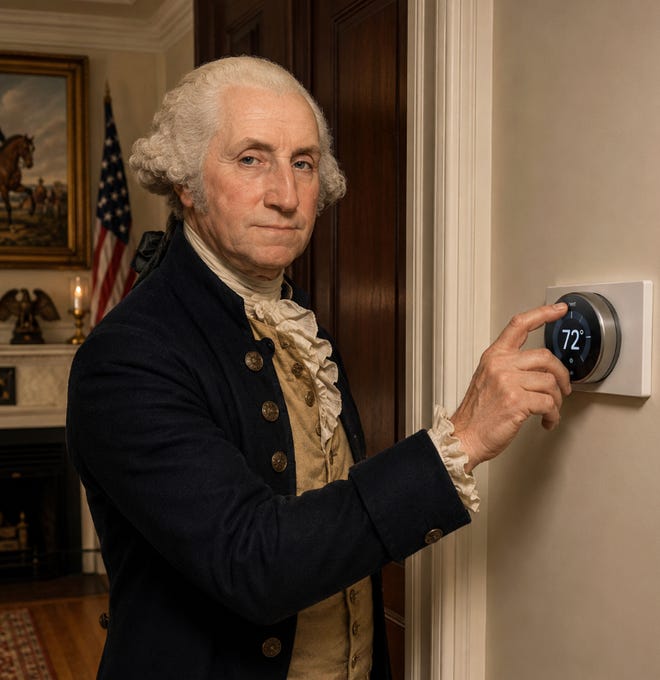
Fahrenheit or Celsius? Beats me.
I’ve juggled both for 40 years at our Canadian cottage. Every time I cross the Peace Bridge and drive up Queen Elizabeth Way at 100 km/h (62 mph), the conversions whir in my head.
The cage match over these two scales has been waged for decades, including last July 4 in a viral post that hit 6.2 million views.
So far, it’s a split decision. But at least we have 2 major temperature scales to choose from.
The Romans had a bigger problem.
They had no scale whatsoever.
Thank you for reading! Your support makes Past Passport possible. Paid subscribers get:
3 weekly history essays. Easy reading. No dull dissertations.
3 weekly quick summaries of how we use AI to create every essay.
1 monthly extra newsletter, rotating between a full AI breakdown for writers and video, and a Stoic philosophy article.
Open DM sessions on the month’s top article.
Only $5 per month.
Rome ran its baths without a thermostat
Nobody in the Roman Forum in a toga ever complained “it’s 90 degrees today.”
In ancient Rome, people described heat with words like calidus (hot) and frigidus (cold). A Roman doctor checked a fever by laying a hand on your forehead.
Your mom did the same thing when you were laid out by the flu. It's one of the oldest medical techniques still in use.
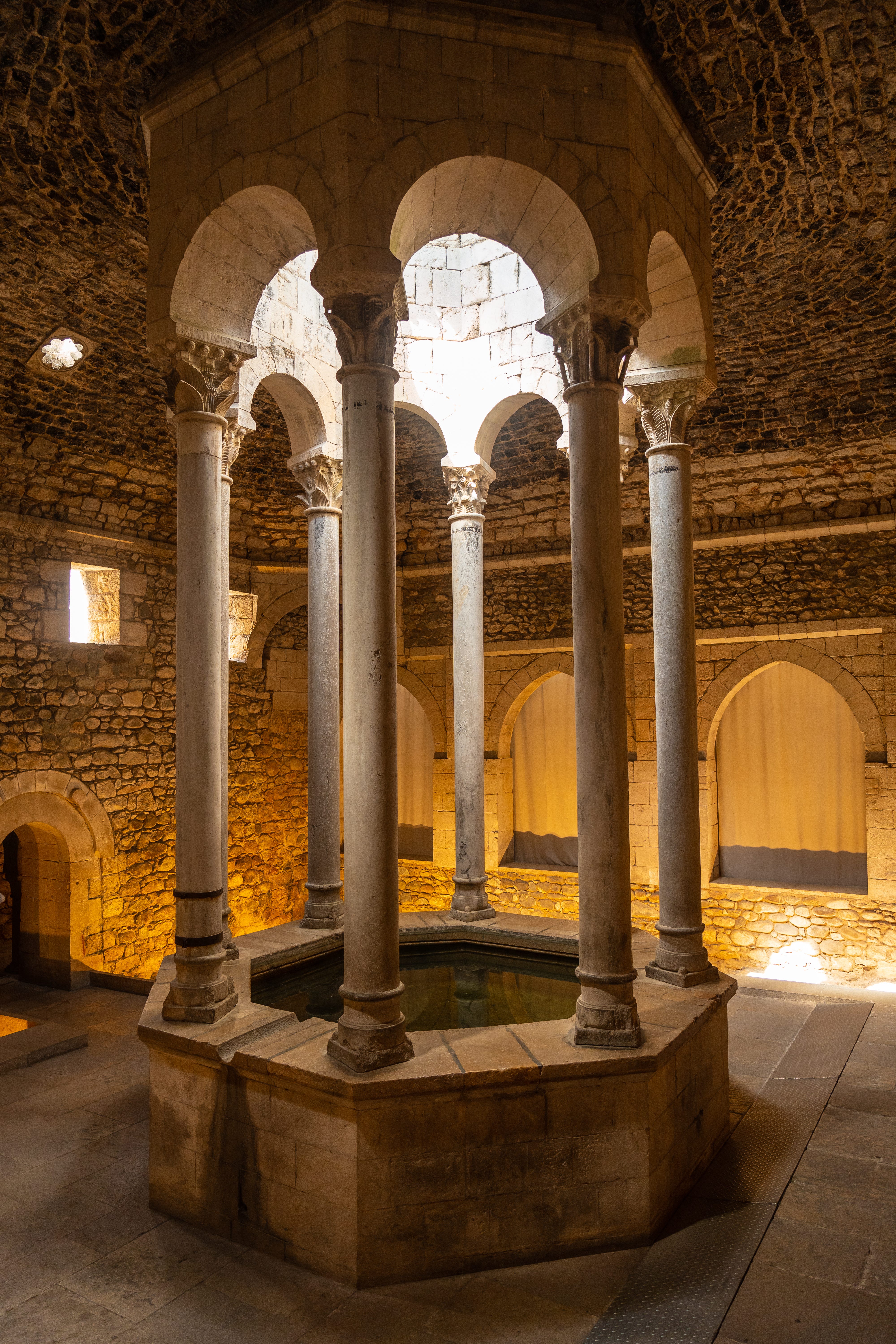
Romans built the Latin words for temperature into their bathhouses. Bathers stepped between the hot caldarium and the cold frigidarium, with the warm tepidarium in between.
Furnaces pushed hot air under the floors, and the tepidarium usually sat farther from the furnace than the caldarium. The air had cooled by the time it got there.
Your thermostat does with a single click what Roman bath engineers did by placing a room farther from the fire.
Galen counted heat in degrees
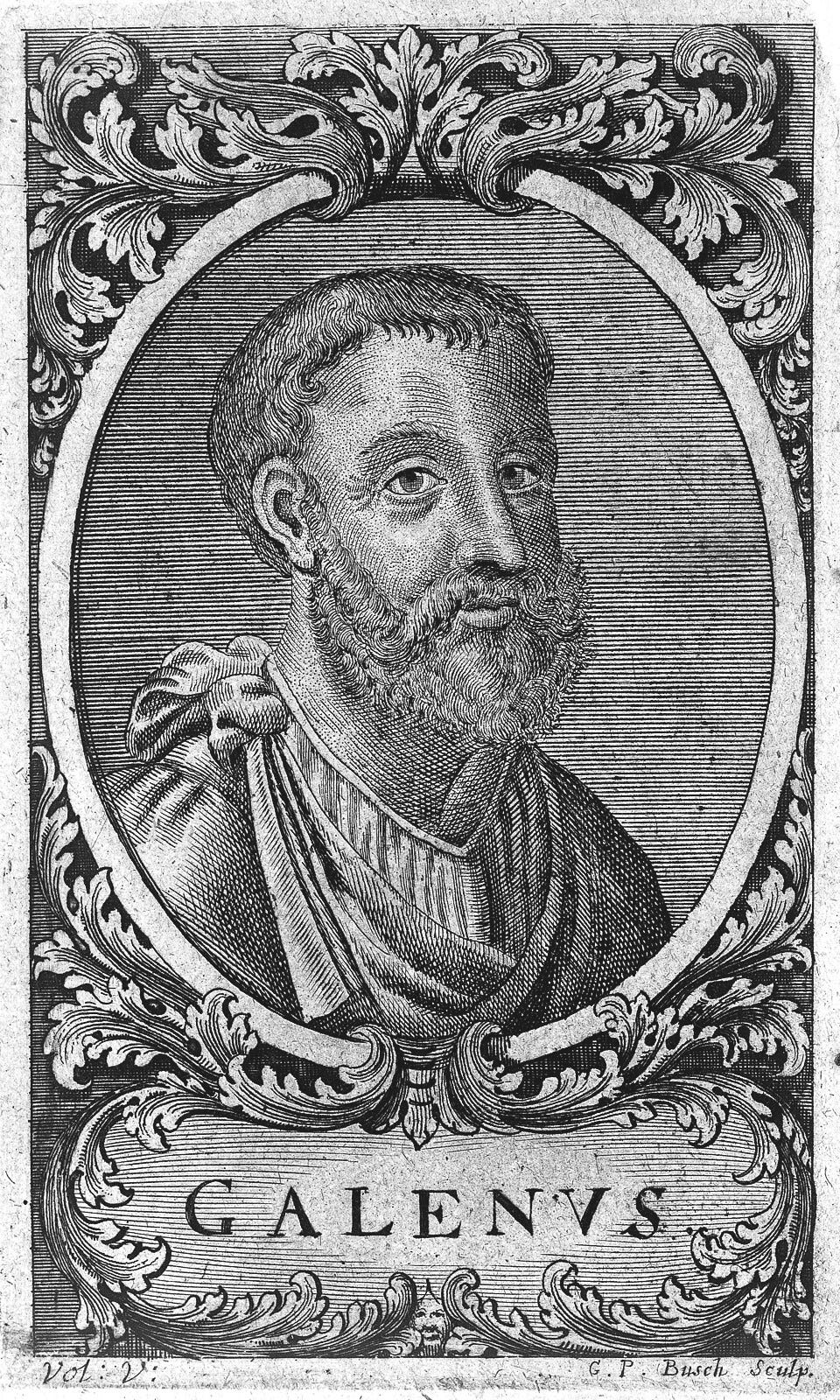
The physician Galen designed the closest thing to a temperature scale in Rome around AD 170.
He proposed a midpoint of equal parts ice and boiling water, with 4 degrees of heat above it and 4 of cold below.
Doctors used those degrees to rank medicines by their effect on the body. That way, a drug could be hot in the second degree or cold in the fourth.
The label on your pill bottle gives milligrams. Galen’s patients got “hot in the second degree.”
We don’t know if Galen ever performed the experiment himself. The idea outlived the ancient doctor by more than 1,300 years.
In the 1500s, physician Johann Hasler still built body-temperature scales from Galen’s degrees to mix medicine for his patients.
No instrument could decipher Galen’s scale until the 1600s.
The hardware on the table without numbers
Greek engineers knew that air expands when it warms.
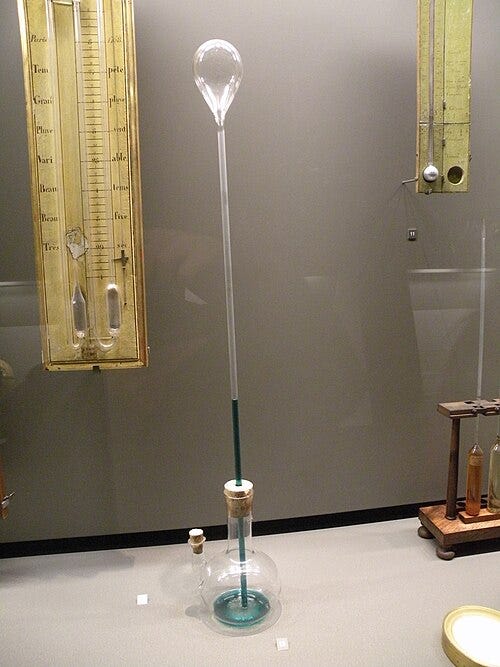
A text credited to Philo of Byzantium, from the 3rd century BC, describes a gadget. A hollow ball with a tube running from it into a bowl of water.
Put the ball in the sun and the air inside swells and bubbles out through the water. Let it cool, and the water climbs back up the tube.
Today it’s called a thermoscope.
It shows that something got hotter or colder every time. It can’t say by how much. The tube had no scale, and nobody had thought to add one. The hardware was on the table, but the numbers came later.
Hero of Alexandria, working in the 1st century AD, put the same physics to work in temple gadgets.
A fire lit on an altar heated the air inside, which pushed water into a bucket. The bucket's weight swung the doors open. Nobody used it to measure anything.
Then the idea moldered for about 1,500 years.
Around 1600, Galileo and others built their own thermoscopes. They had a flaw. Air pressure moved the water too, so a thermoscope read the weather as well as the heat.
A real thermometer needed a sealed tube to keep the weather out, and two fixed points anyone could reproduce to hang a scale between.
Deciding what those fixed points would be came next.
