

Walk to Gettysburg National Cemetery, off Taneytown Road on the south edge of town, to the memorial where Lincoln gave the Gettysburg Address.
One problem.
You’re in the wrong place. The monument was placed there in 1912, but Lincoln never spoke at that spot. The real Gettysburg Address location is about 300 yards away, in the cemetery next door.
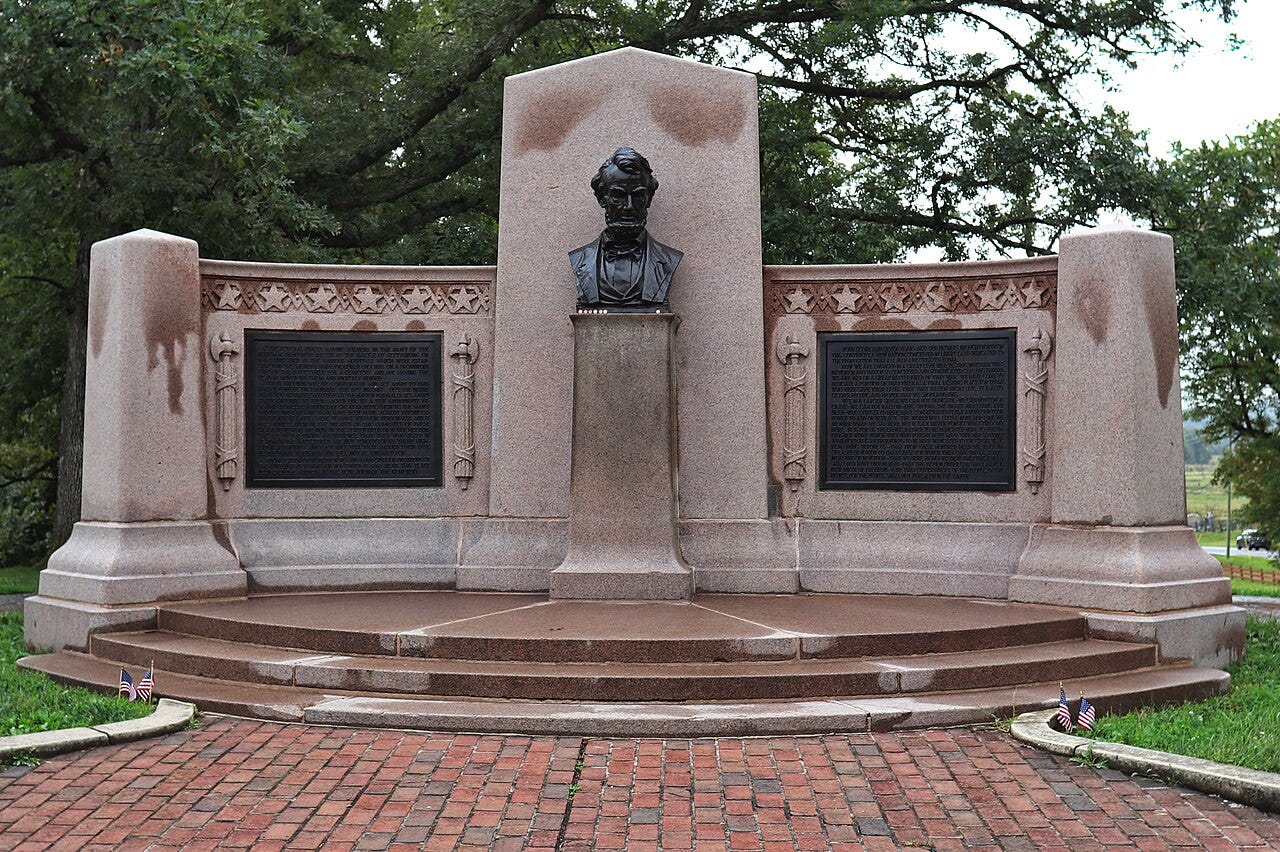
After only 60 years, the US forgot the location of one of its most famous speeches.
No surprise that history lost a Roman battlefield for 1,800 years, one that ensured Rome would rule Gaul for five more centuries.
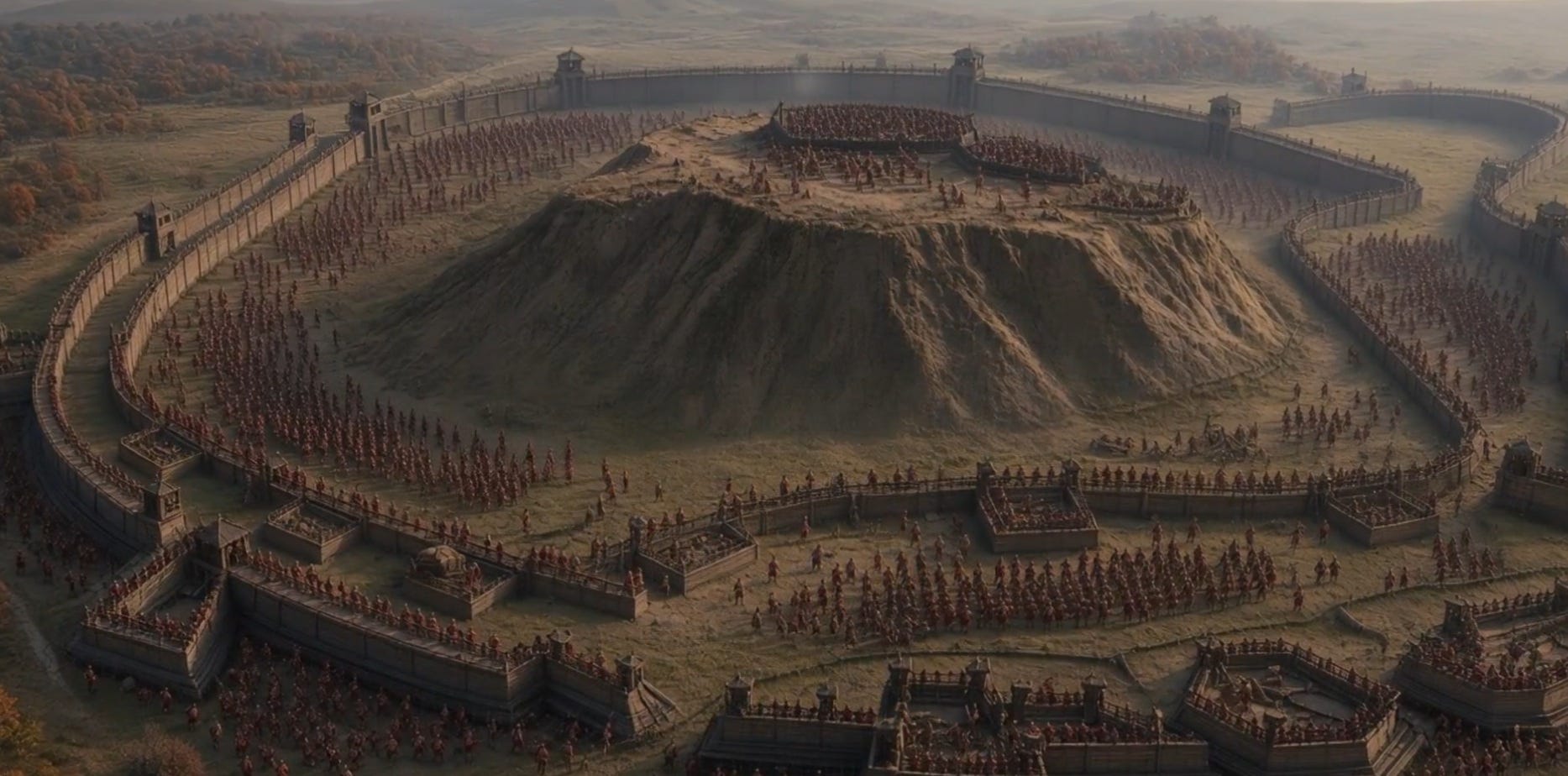
A battle decided by a double ring of siege walls unlike anything Rome had built before.
The Alesia battlefield lay beneath a French farmer’s field for centuries…with no one able to say exactly where.
Thank you for reading! You get with your subscription:
3 weekly history essays. Easy reading. No dull dissertations.
3 weekly quick summaries of how we use AI for creating every essay.
1 monthly extra newsletter, rotating between a full AI breakdown for writers and video, and a Stoic philosophy article.
Open DM sessions on the month’s top article.
Caesar Wrote Down the Directions. History Lost Them.
Somebody gives you directions to their house, mentions it’s next to a grocery store and a bank, and has a red door.
But forgets to tell you the street and house number.
Caesar did something like that with the Alesia battlefield, in Book Seven of his Gallic Wars.
He gave everything he thought a sensible reader would need to find the battlefield. A hill, steep enough that storming it was suicide, with two rivers running along its base. A plain in front, roughly three miles across, ringed by hills of equal height.
Caesar omitted the name of the region, or a route to get there. Every Roman reading this in 52 BC already knew exactly where Alesia was. It was the only thing anyone in Rome was talking about.
But nobody in the 1850s was up to date on ancient Roman battlefields. People in the 19th century wanted to find Alesia and had little to go on.
This wasn’t idle curiosity.
By the mid-19th century, French thinkers had spent decades turning Vercingetorix into the first hero of French resistance, a symbol of the nation standing up to a foreign empire. Knowing exactly where he made his last stand was proof of a story France badly wanted to believe about itself.
Two serious candidates emerged for the battlefield: Alaise, near Besançon, and a hilltop above Alise-Sainte-Reine in Burgundy. Over the years, about 40 other towns had once claimed to be the real Alesia.
But no one was certain.
