

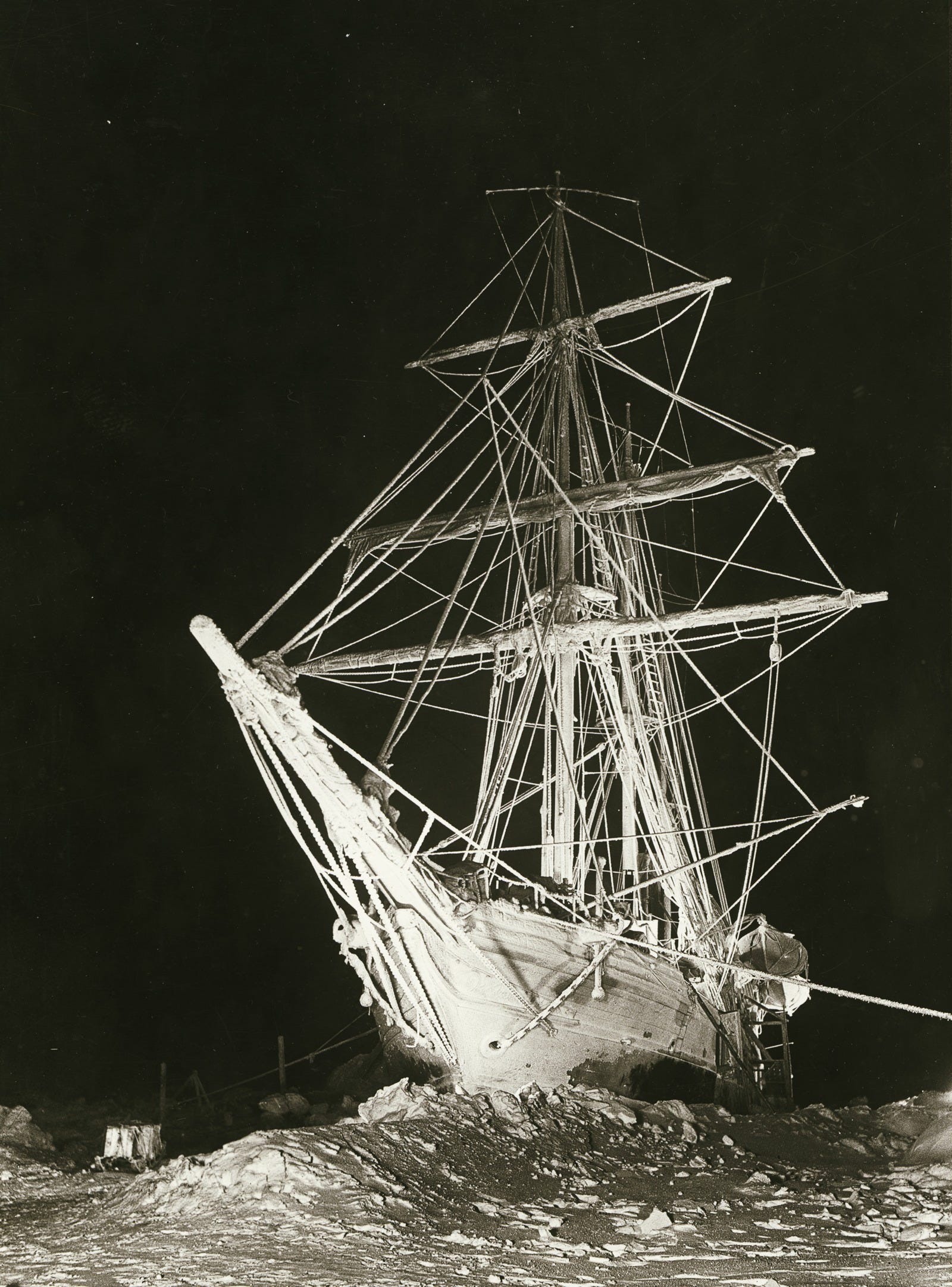
The Weddell Sea, October 1915.
The ice had Endurance in a death grip.
For days, the men listened as her timbers groaned and shrieked like an animal in pain. Then the beams snapped, and the frigid water poured in. Twenty-eight men climbed down onto a floating sheet of ice with whatever they could drag behind them.
They were more than 1,000 miles from anyone who could help. Ernest Shackleton’s plan to cross Antarctica was dead.
Shackleton gathered them on the ice and said matter-of-factly, “Ship and stores have gone, so now we’ll go home.”
A hundred years later, Harvard Business School students study that moment of crisis.
I came across the Harvard case years ago and never forgot it. The worst crisis I ever had to steer at work? My manager had me writing his MBA essays. I knew it was wrong, and he was my boss.
So I sat down with him and showed him how to write them better himself. Eventually he did. He thanked me, and I walked out of that mess and got back to the job they paid me for.
Most crises at work and home don’t involve ice floes and sinking ships. Professor Nancy Koehn has taught Shackleton for over 20 years, and his lessons work in an office or at a kitchen table.
Here are five worth stealing from the Boss.
This is the week’s free article. Subscribe today for two more like this per week.
Let the old plan die quickly
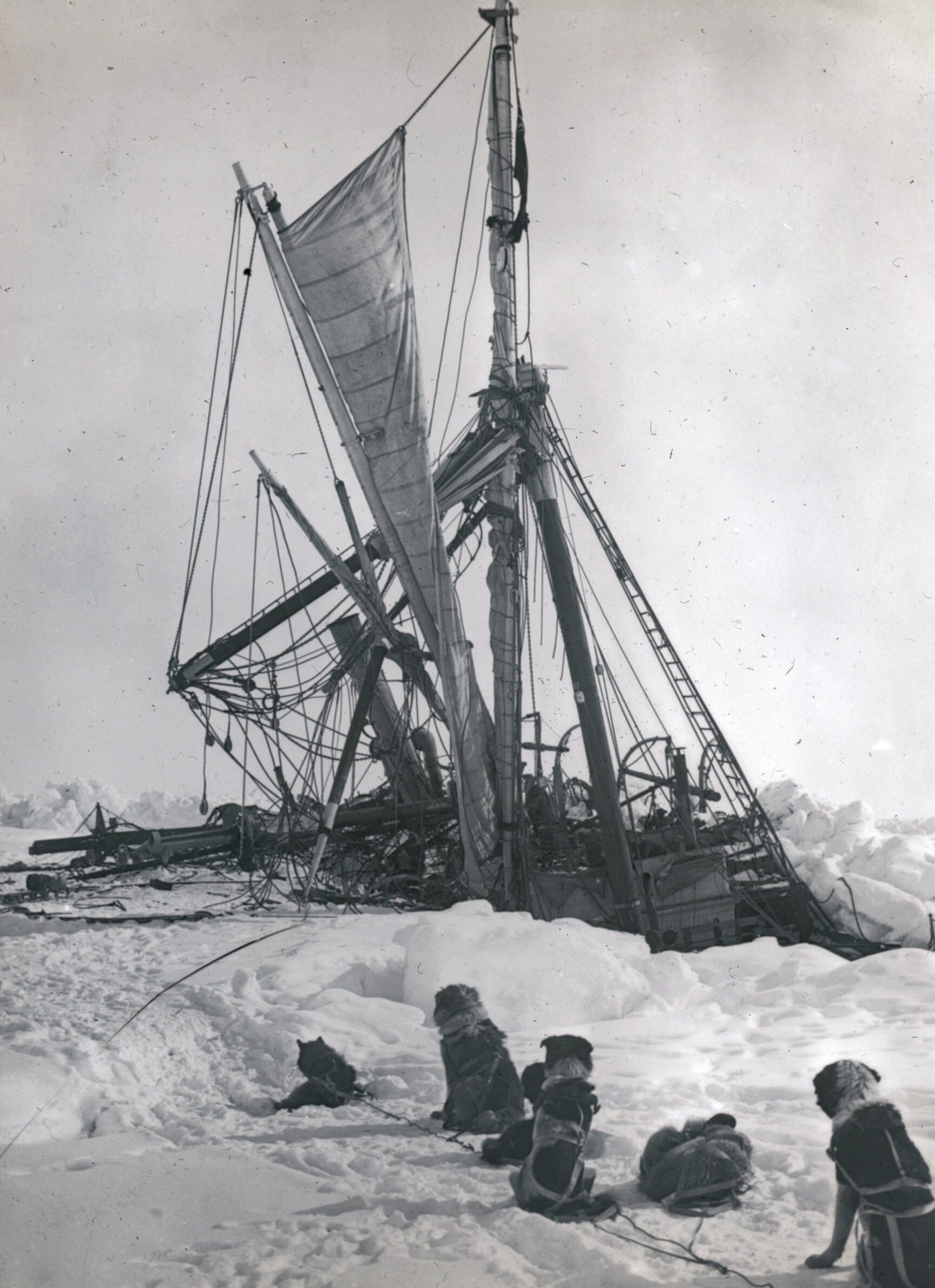
The expedition’s single goal: to be the first to cross Antarctica on foot.
Years of planning went into this mission.
But when they abandoned Endurance, Shackleton immediately dropped the old mission. From then on, the goal was getting every man home alive.
Koehn calls it resetting the goal. Most of us cling to our old plan long after the facts have killed it. After all, letting go of our fancy plans feels a lot like failure.
Say your company loses its biggest client on Wednesday. Half the year’s plan was built around that account. The weak manager keeps the old targets on the whiteboard and hopes nobody notices.
The Shackleton move is to call the team in that afternoon and declare: “We lost them, guys. The old plan is dead. Here’s what we’re doing instead.”
Then hand everyone their new jobs before they leave for the day. People can handle bad news... what kills morale is pretending the old plan still has a pulse.
Keep your worst critics in your tent
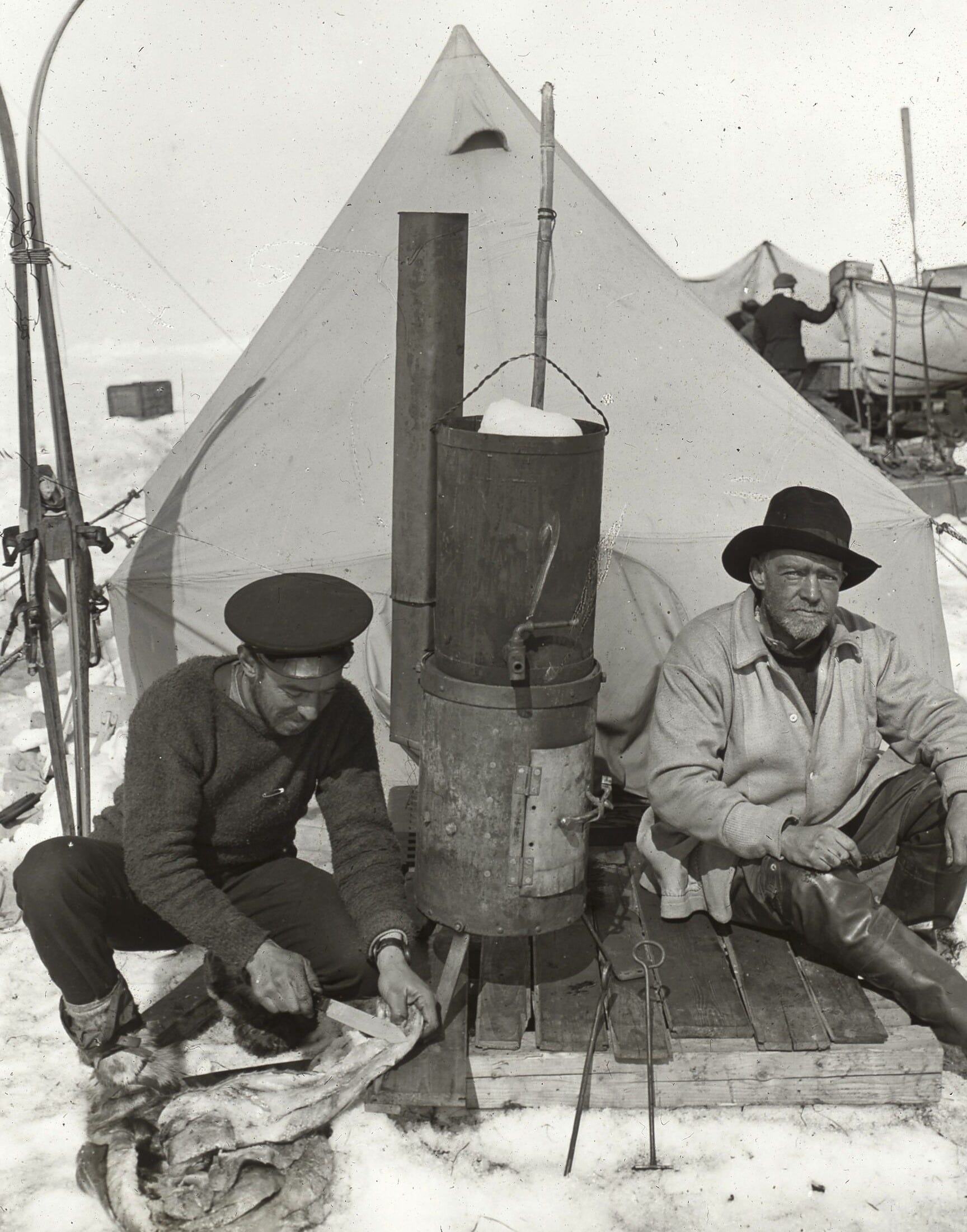
You can’t fire anybody on an ice floe 1,000 miles from home.
Shackleton’s biggest worry was Frank Hurley, the expedition photographer.
Hurley was talented and popular, and he knew it. Shackleton feared he could gather unhappy men around him. So he moved Hurley into his own tent and asked his opinion on every big decision. The prickly carpenter, Harry McNish, went to Frank Wild’s tent, surrounded by non-complainers.
Simple lesson here.
The person who doubts you is more dangerous across the room than beside you. Bring them next to your office and give them a job. Leave them across the room, and they’ll grumble to everybody but you.
Guard the mood like the food
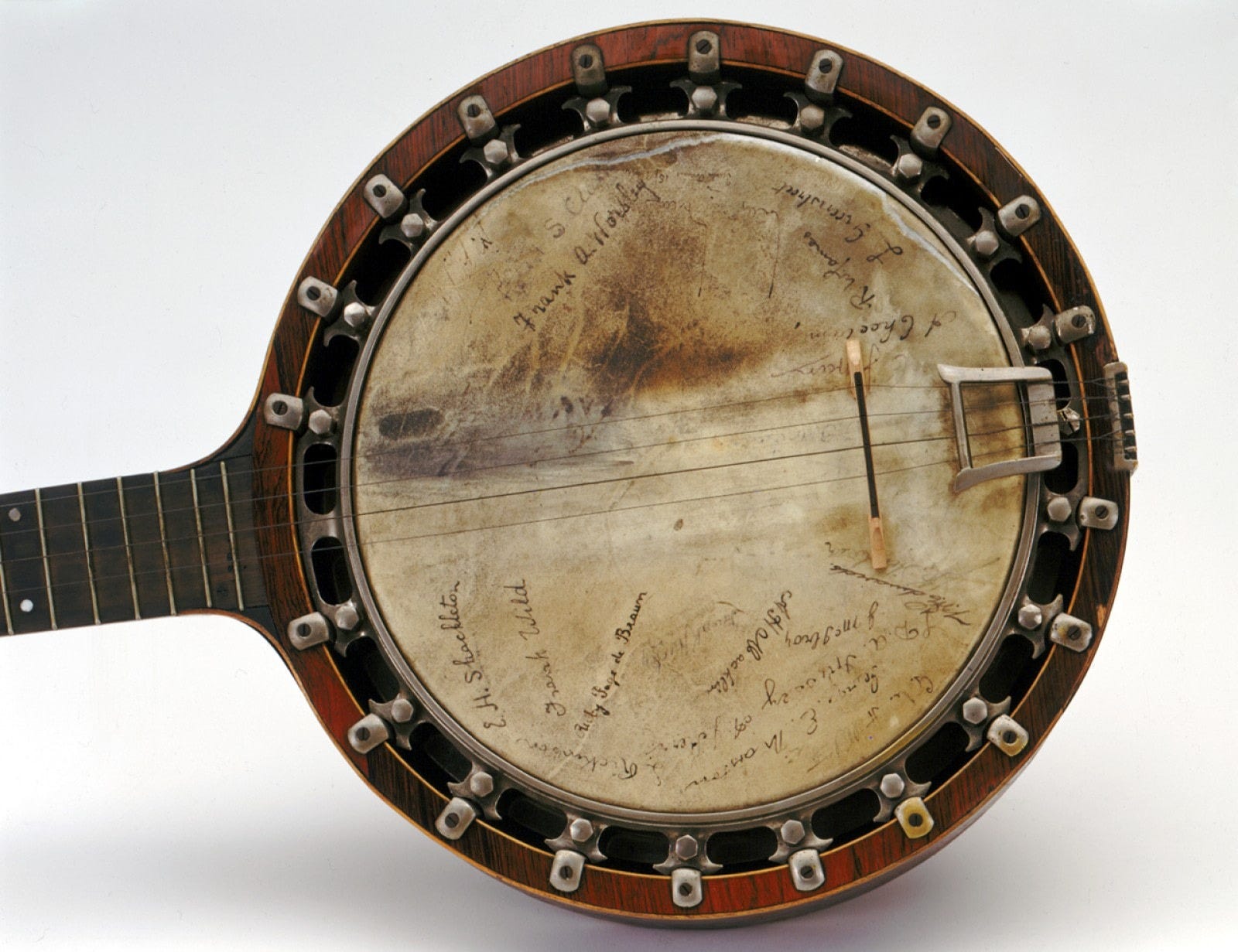
Shackleton allowed each man only two pounds of personal items for the march toward Paulet Island, about 350 miles away.
But he made an exception for Leonard Hussey’s 12-pound banjo and called it vital mental medicine. Meals came on time. The men played football on the ice and kept a daily routine through months when nothing but drifting remained.
His photographer Frank Hurley knew the deal.
Nobody on the ice knew if they’d live, but Hurley kept working as if an audience back home would see it. One dark winter night, he set off about 20 flashes behind the ice ridges to light the trapped ship.
Then he stumbled half blind through the snow, banging his shins on the ice. That ghostly photo still haunts a century later. A man who thinks he’s going to die doesn’t bother lighting the perfect shot.
Hurley’s ghostly photo still stops me cold every time I see it.
Morale isn’t a third-level concern. In a long, grinding stretch at work or at home, it decides who gives up. Budget for it like the groceries and the electric bill.
Never let them see you sweat
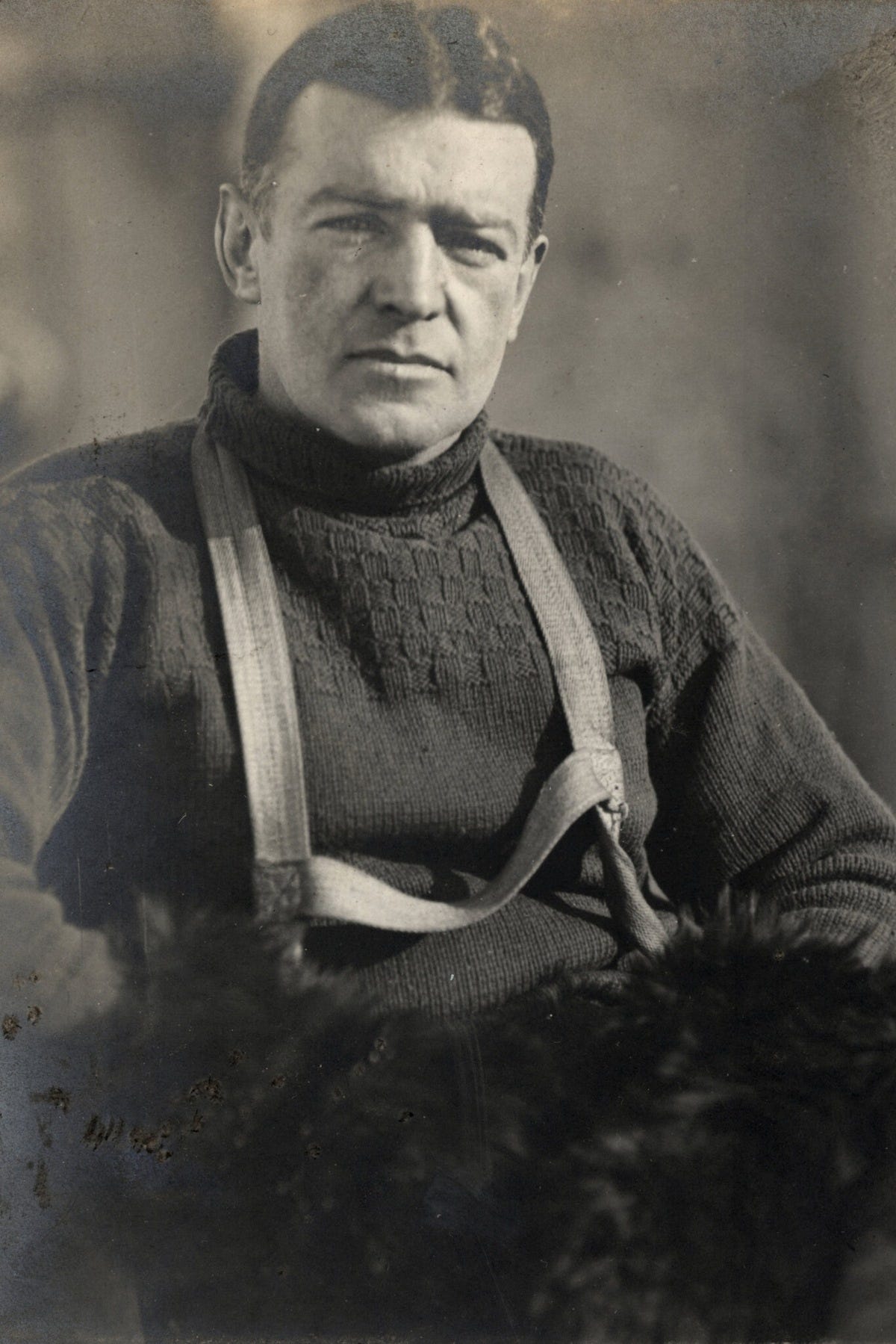
Shackleton’s diary shows a frightened man. Understandable... his crew never saw that fellow. Koehn points out that he walked out of his tent every morning knowing 27 pairs of eyes were on him.
I’ve put on the calm face for my own family more than once when I didn’t feel calm at all.
The worst was the 2008 crash, when I lost my job and my income with it. Comes with being the one they lean on. Worry in private, and show your people confidence and steady hands.
Hand the wheel to the better man
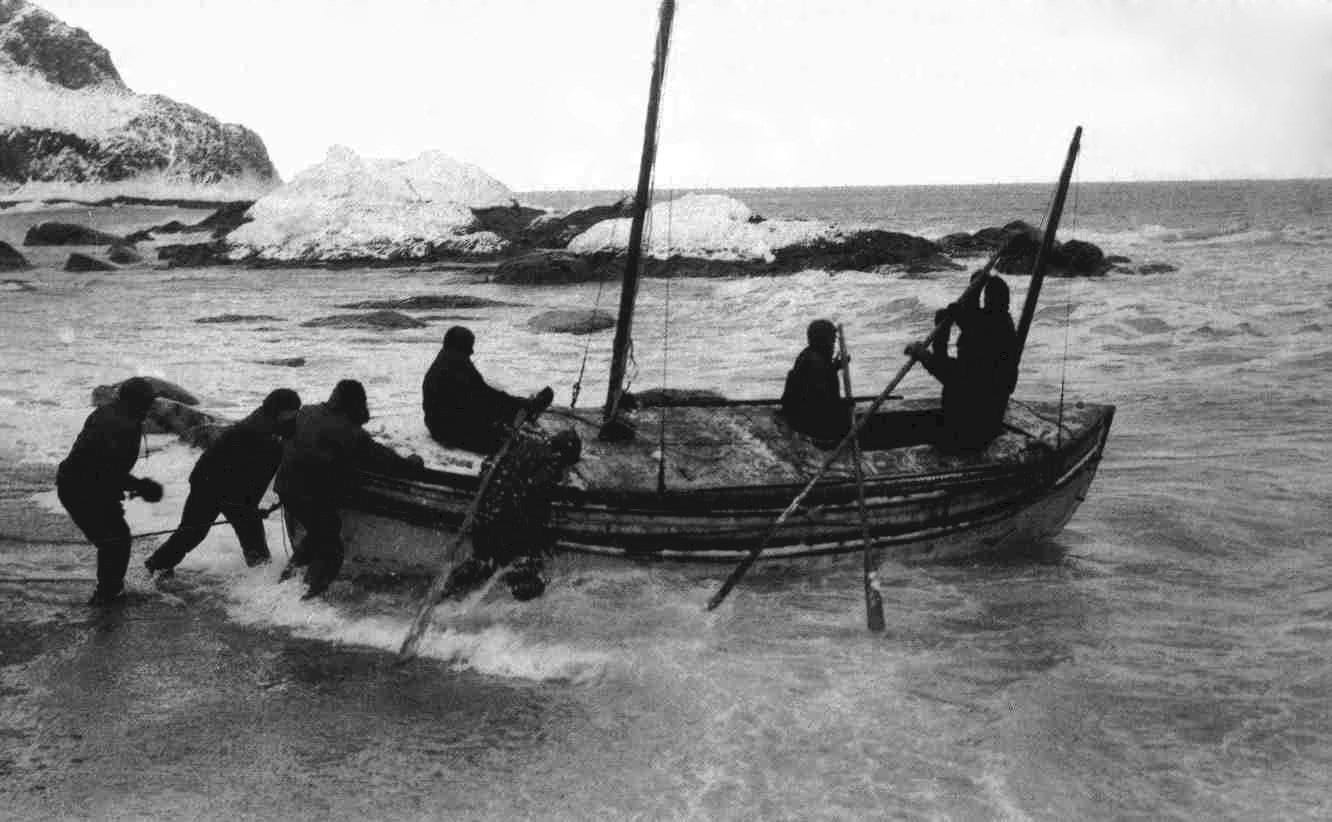
Shackleton knew he wasn’t the best navigator. He gave the job to the man who was.
Frank Worsley steered the 22-foot James Caird about 800 miles across the Southern Ocean to South Georgia. The sun broke through the clouds four times in 15 days.
Each time, he wedged himself against the mast of a boat bucking like a wild horse. Worsley grabbed a sextant, reading off a horizon that kept vanishing behind the swells, and worked the math with numb fingers in a soggy notebook.
The rest was dead reckoning, his best guess at speed and heading.
South Georgia is a speck in an ocean bigger than most continents. Aim a few degrees off, and you sail right past it. Beyond it lay nothing but open Atlantic, and no second chance. By the last sighting, Worsley still couldn’t pin down his position to within 10 miles.
The next day, at noon, a sailor spotted a black cliff through the mist. They had found the island, an astounding navigation feat.
Twenty-two men on Elephant Island would make it home because one man did careful calculations in a tiny boat in the worst sea on Earth and got it dead right.
Salute, Mr. Worsley.
Business schools call this hiring people better than you and moving aside. I’ve known bosses who couldn’t stand having someone smarter in the conference room. Shackleton bet 28 lives on one.
(Thanks to reader @simonbquick for pushing me to give Worsley his due.)
Leave the rest on the ice
Shackleton was no saint. He was a lousy businessman who chased get-rich schemes that went nowhere and died owing his friends money.
He was always restless and could never stay home for long. A few years after the rescue, he was heading south again on another ship, the Quest, and he died of a heart attack aboard her in 1922. He was 47.
You don’t need to copy the restlessness or the debts.
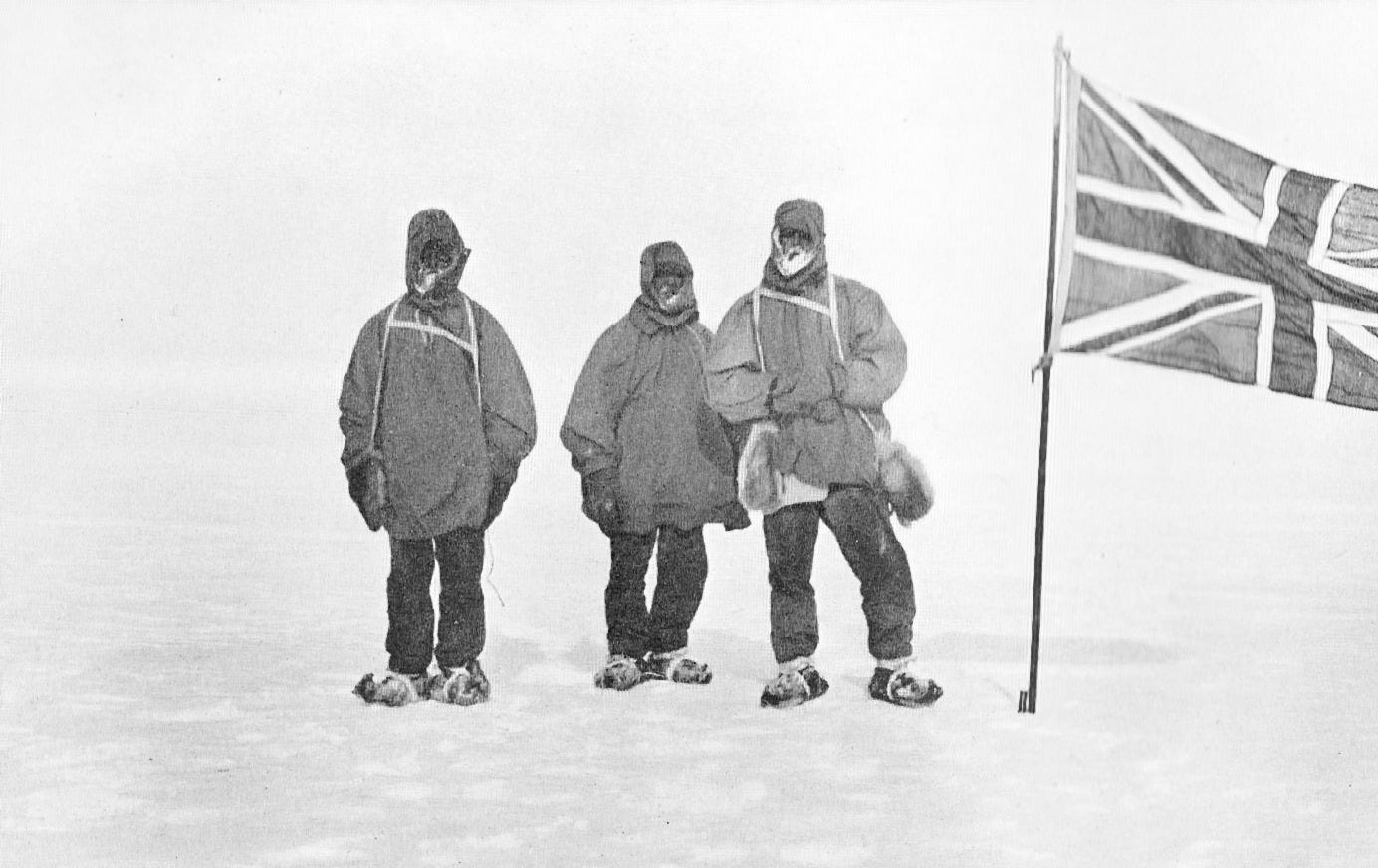
Take January 1909 instead. He and three men stood 97 miles from the South Pole, closer than anyone had ever been. They had enough food to reach it and not enough to get back. So he turned them around.
When he got home, his only comment to his wife about missing the Pole was, “A live donkey is better than a dead lion, isn’t it?”
She said, “Yes, darling, as far as I am concerned.”
Harvard teaches that man, the one who’d rather bring everyone home than plant a flag.
Forget doom, honor history’s legends, my friends ✨
Past Passport believes the future is bright, even when the newsfeed in your hand says otherwise. Step away from the doom and into the best of the past: great books, art, beauty, and history’s heroes. Two essays a week, free in your inbox, as your weekly jolt of optimism.
I’m upgrading today!
Fantastic! A must read for any leader in any organization. This is required reading in the U.S. Navy. As a a retired Captain, we revere Shackleton and his leadership!