

Their own army was shelling them, and their last shot at stopping it was a pigeon.
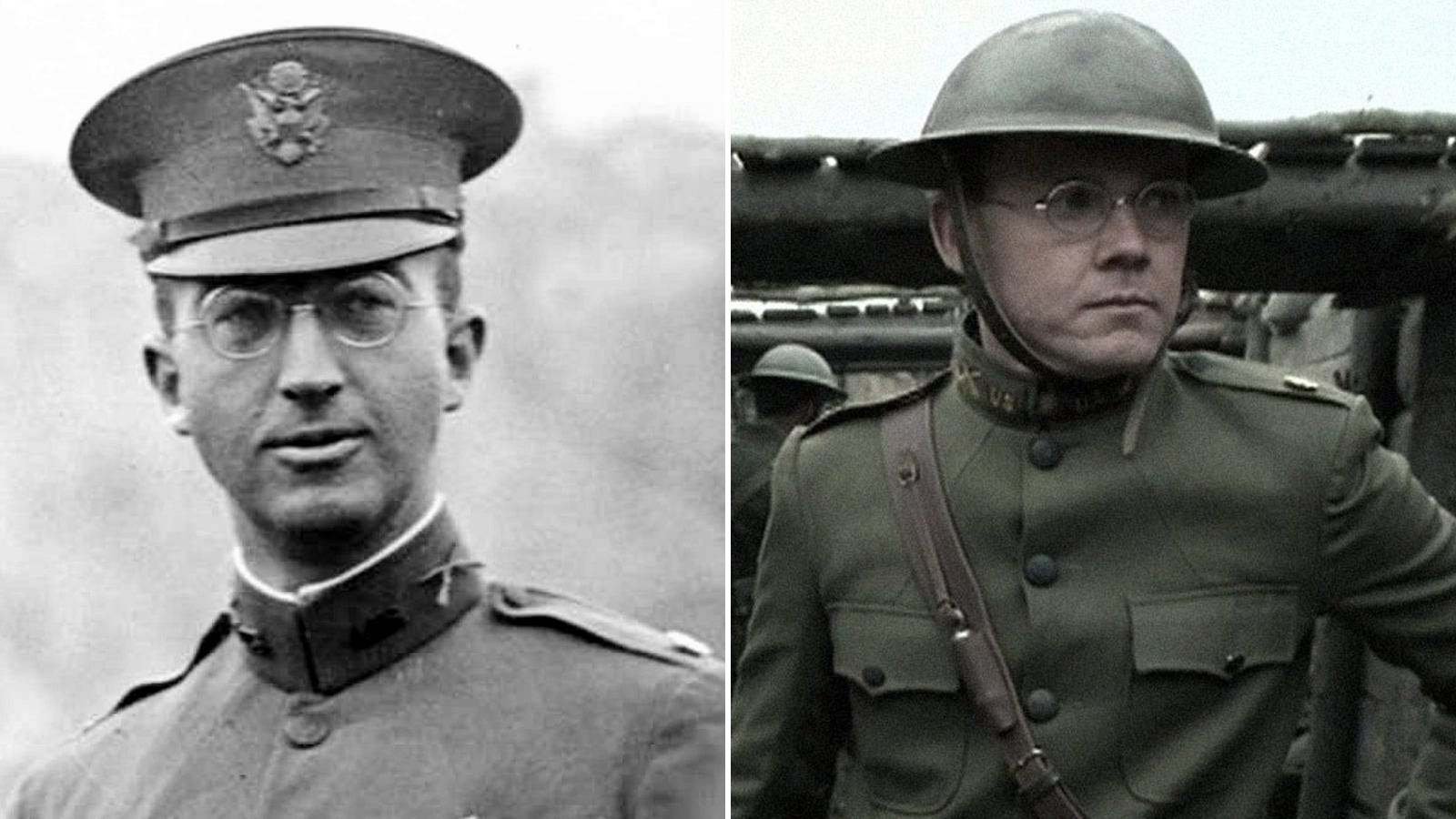
Rick Schroder (yes, the Silver Spoons kid) played their major, Charles Whittlesey, in A&E’s The Lost Battalion. Mud on his face, pistol in hand, in a smoke-filled French ravine in 1918.
Definitely one of my all-time fave war films.
The real story is sooooo much better.
For five days that October, a battalion of New Yorkers was trapped behind German lines in the Argonne Forest. Their rescue boiled down to a quiet Wall Street lawyer, a shot-up pigeon, two pilots, and a Bronx barber.
Division orders were plain: “ground once captured must under no circumstances be given up.”
Uh-uh, no retreat... not even after the food ran out, and not even when the shells started blasting from their side.
554 went into that ravine. 194 walked out... and getting them out took a barber playing dead under a German boot and a pigeon who stopped to perch in a tree.
This is a free preview. Past Passport nukes the doomscroll with history, art and beauty. Free subscribers get 3 paid articles a month, so make this one of them. Or go all in for $5.
Major Charles Whittlesey (played by Rick Schroder)
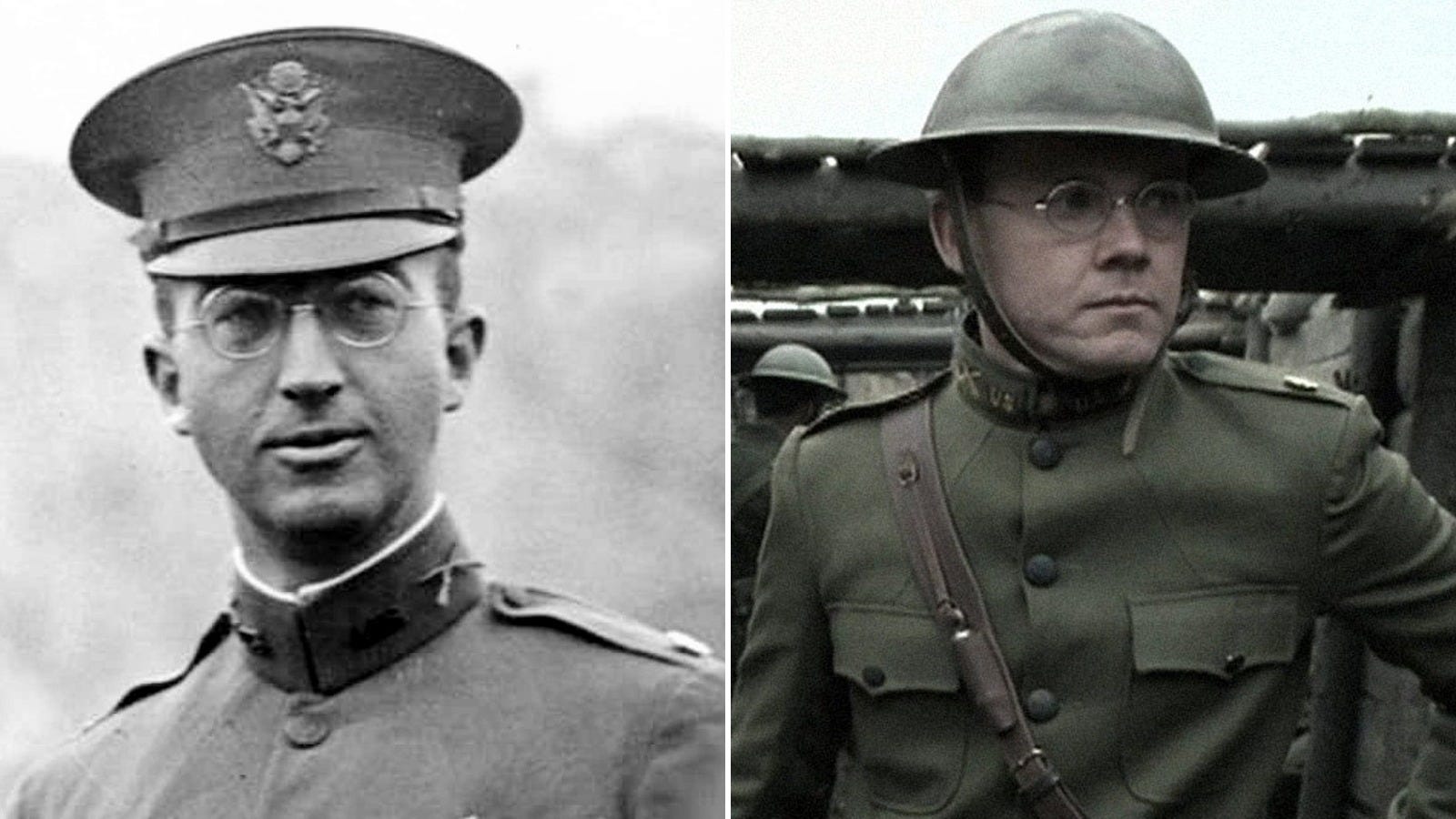
Whittlesey was a Harvard-trained lawyer, thin and serious, with wire-rimmed glasses. His Williams College classmates nicknamed him “Count” for his stiff manners.
Not your everyday John Wayne war hero.
His men in the 308th Infantry hailed from the tenements of the Lower East Side. Wore the Statue of Liberty on their shoulder patch.
They busted through on October 2 and reached the north slope of the Charlevaux ravine. Units on both sides stalled, and by morning the Germans had closed the gap behind them.
Runners scurried back for help, and the Germans caught or killed them. The food ran out. The only water was a spring at the bottom of the hill, and German snipers watched it.
Grim.
Their own guns opened up.
Mid-afternoon on October 4, shells started falling on the ravine.
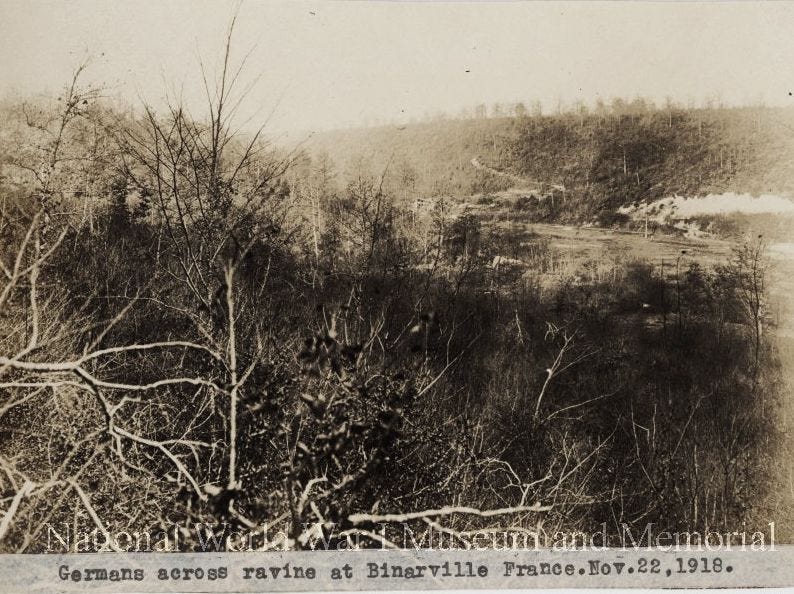
American shells.
Shxtfire.
The gunners thought Whittlesey’s men were on the south slope, but they were on the north. By one researcher’s count, at least 30 men died as the hillside heaved.
Around 3 p.m., Whittlesey wrote out a note for his pigeon handler, Private Omer Richards. Richards reached for one of his last two birds. A shell burst close by, and the bird flapped off into the smoke... with no message.
They had one pigeon left.
Below the line: a shot-up pigeon, two pilots who went looking for them and never came back, and a barber from the Bronx who crawled through German lines for help.
Not a paid subscriber? Free subscribers get 3 paid articles a month, so make this one of them.
