

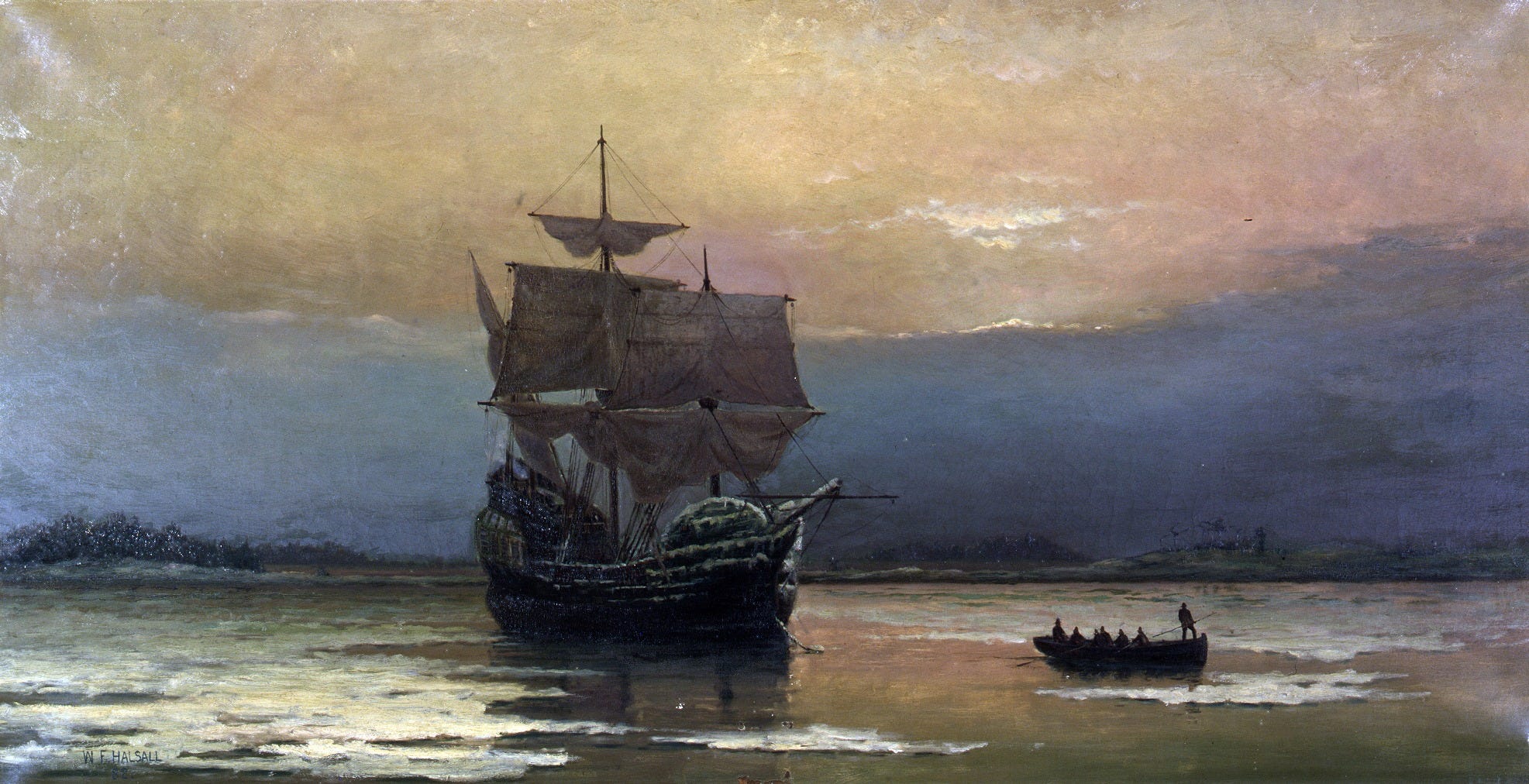
102 people shipped out on the Mayflower. Only about 40 belonged to the Pilgrims’ church. They didn’t teach you that in first grade, did they?
That’s history. The truth gets sanded down over time, and what’s left to us is part fact and part myth. Like what I learned about Thanksgiving at Northwood Elementary in the 1980s:
The Pilgrims bailed Holland for religious freedom, had a rough crossing, and half of them died that first winter. The Indians showed them how to plant corn, and in the fall everyone pulled together for a humongo Thanksgiving dinner.
Funny hats, big buckles. I wore the pilgrim costume in the first grade play, buckle hat and all. (The Pilgrims didn’t even wear buckles.)
The real story is much weirder.
Sabotage. A man overboard. Running out of beer.
These people went through hell we can scarcely imagine to get here, and we owe them.
So this year, let’s drop the doomscroll and honor our forefathers by telling the real story.
Another free article for Thanksgiving week. Reject doom, honor history’s legends, my friends.
Grumpy strangers on a tiny ship
Picture it. A ship about 100 feet long. A London wine ship. A couple of months earlier she’d been unloading French Cognac on the Thames.
Now 102 people were packed below deck, wet wool and vomit, and nowhere to go for two months on the Atlantic in the fall.
And they didn’t all go to the same church.
The investors back in London needed bodies to make the trip pay. So they filled the ship to the gills with hired hands, servants, and tradesmen.
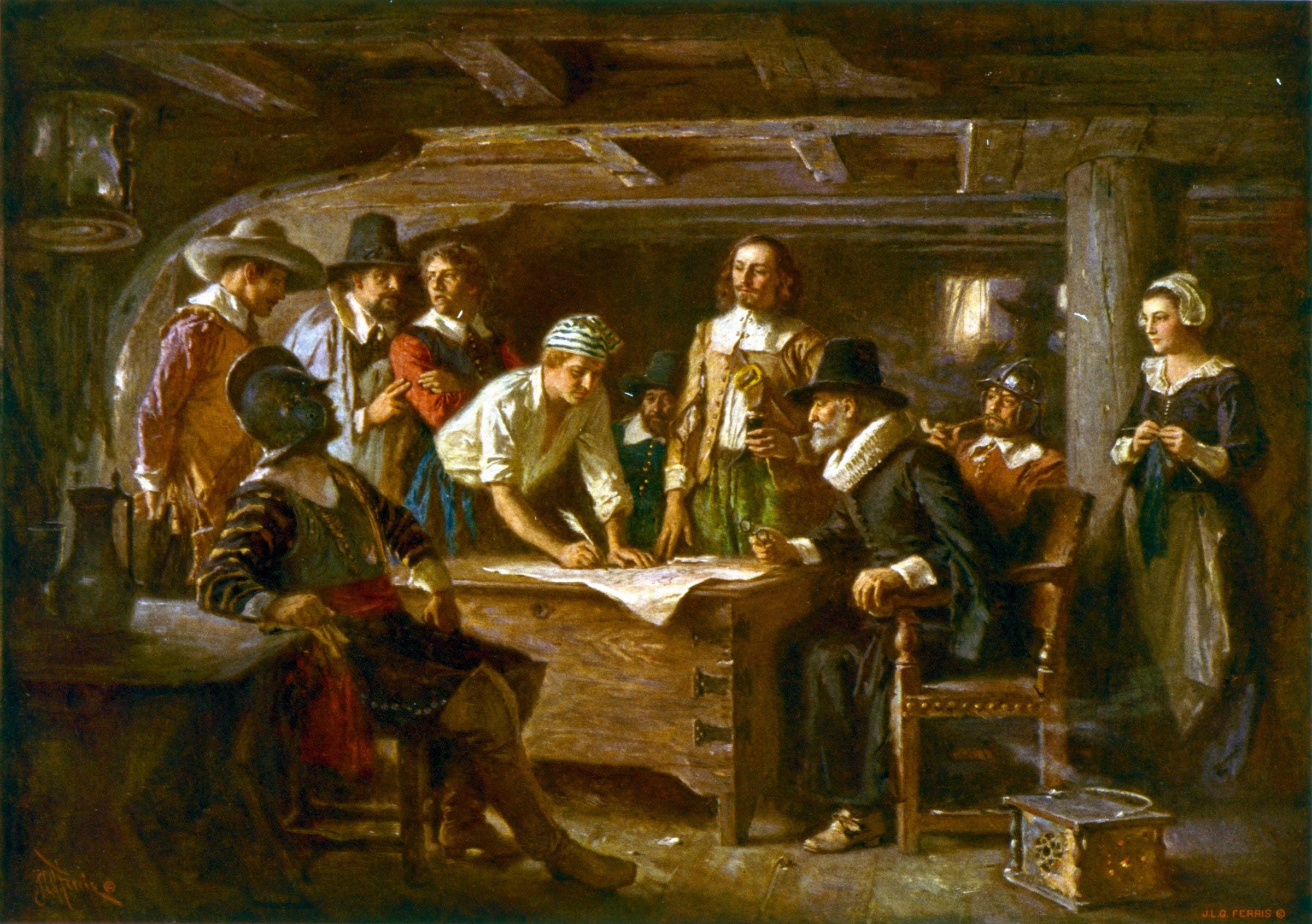
Bradford called them “strangers.” John Alden was hired at Southampton to fix barrels. Myles Standish was a hired soldier, not a church member.
By the time they reached Cape Cod, some of the strangers were shooting their mouths off.
Once ashore, they said they’d “use their own liberty; for none had power to command them.”
Uh oh.
So before anybody set foot on the beach, 41 men signed an agreement. That’s the Mayflower Compact. A short promise to make fair laws for the colony and obey them. One of the first times settlers in America agreed to govern themselves.
All because a shipful of people didn’t trust each other.
They left Holland for their kids
At Northwood, Miss Montgomery taught us they left Holland for religious freedom. Fact check: mostly false.
The Pilgrims already had religious freedom. Leiden let them worship however they wanted for almost 12 years.
So why leave?
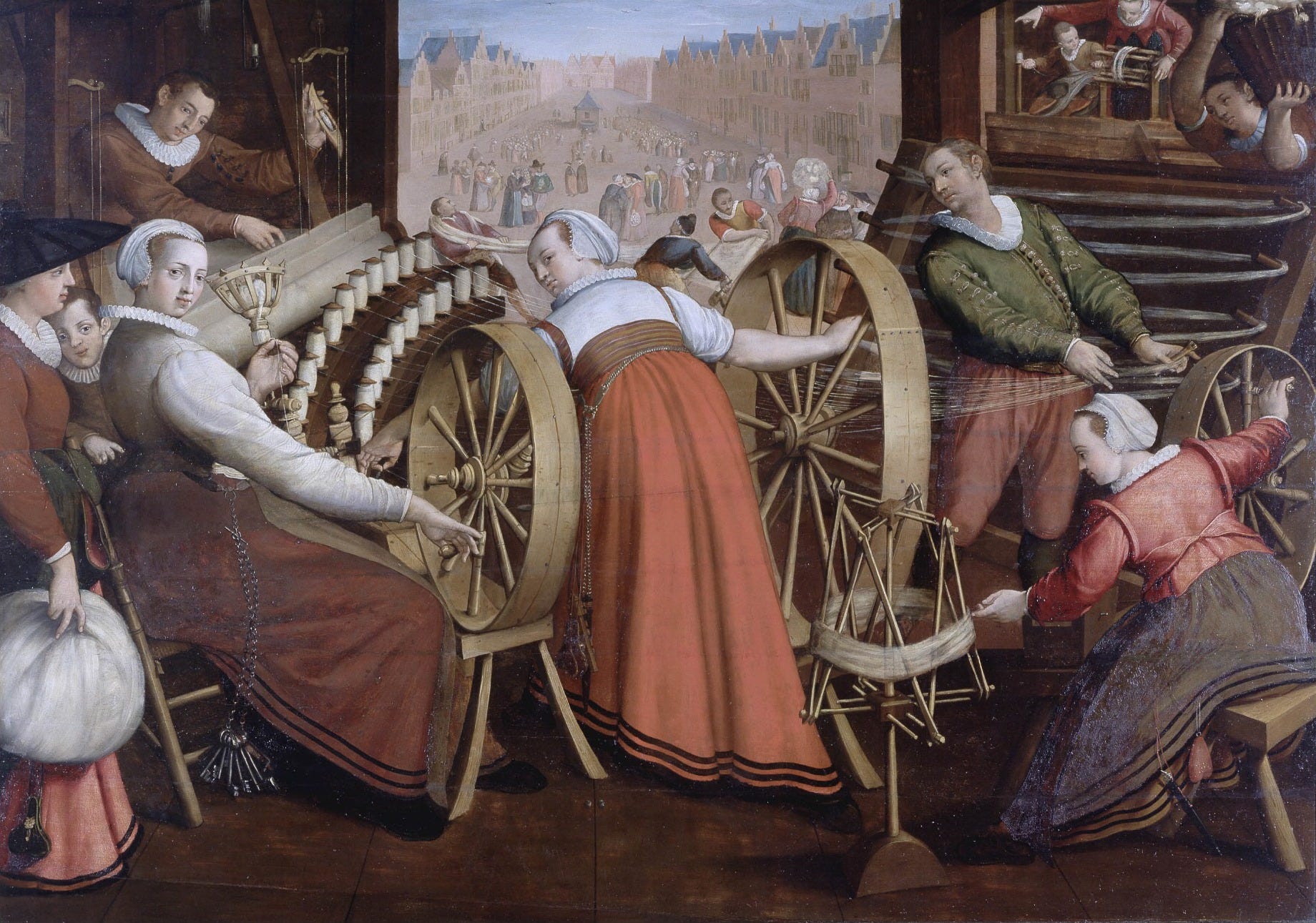
The work was brutal. Long days in the cloth trade, lousy pay. Bradford himself wove fustian, a rough cotton cloth. Robert Cushman combed wool. Bradford called it “hard and continual labor,” and said he could see poverty coming at them “like an armed man.”
Plenty of them gave up and went back to England. The rest were getting old before their time, worn down by the work.
But what broke their hearts was their kids.
Bradford called it “of all sorrows most heavy to be borne.” Their teenagers were running wild in the Dutch streets. Some became soldiers. Others ran off to sea. The parents figured they’d lose the next generation entirely.
Sound familiar? People in the 17th century feared losing their kids to the streets and crime.
Most of the church stayed behind anyway, including their pastor, John Robinson. He planned to follow. He died in Leiden in 1625 and never saw Plymouth.
So long at Delfshaven
July 1620. A Dutch harbor town, gray water, gray sky, a little ship called the Speedwell tied to the dock.
Families who’d lived side by side for 12 years were splitting up for good. Some got on the boat. Most stayed.
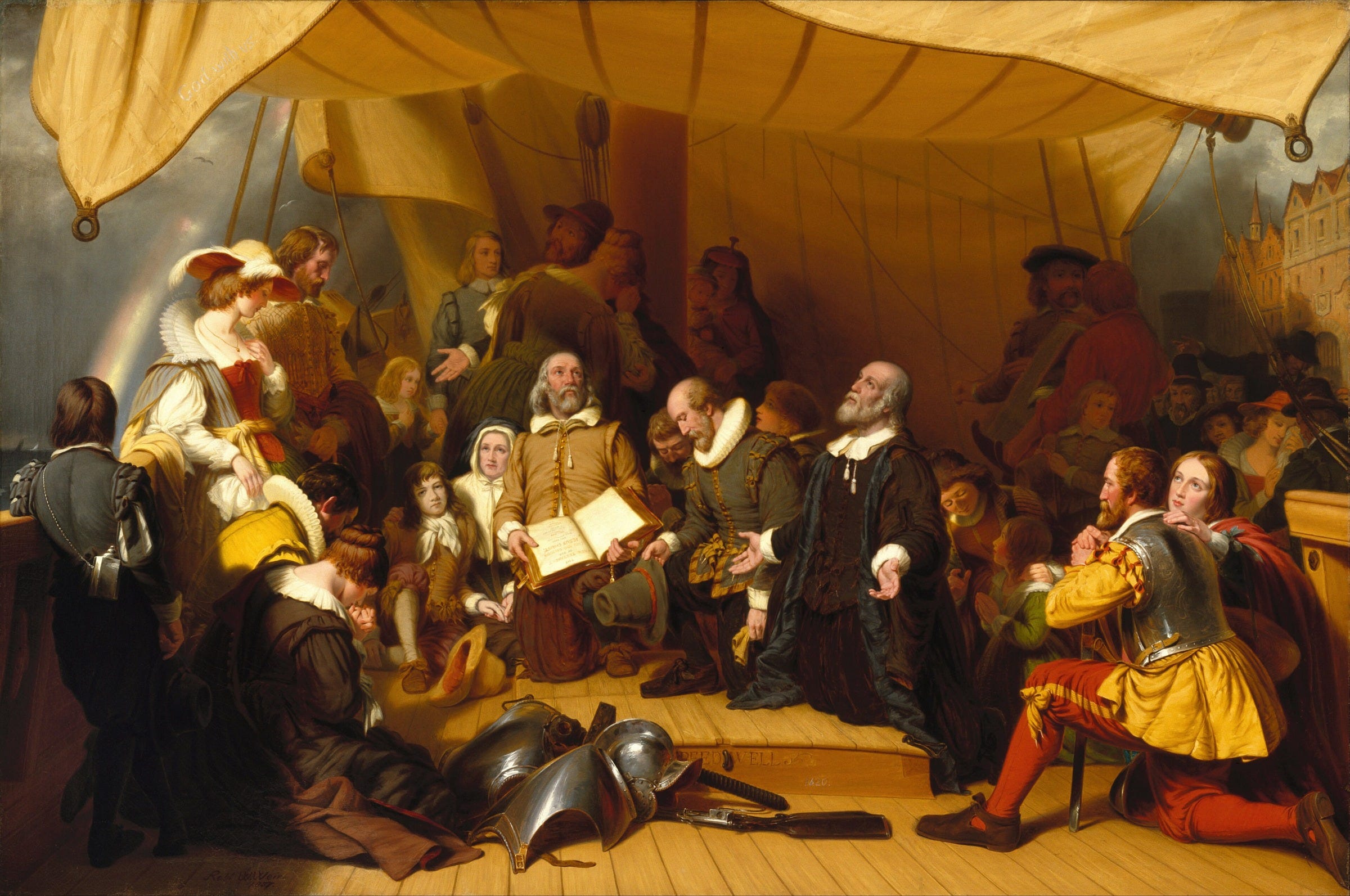
Robinson knelt on the dock and prayed over them. Bradford says even the Dutch strangers watching from the quay “could not refrain from tears.”
Bradford and his wife Dorothy left their little boy behind. Their only son. He made the long journey years later.
Then Bradford wrote the line that gave them their name. They knew they were “pilgrims,” he said, and “lift up their eyes to the heavens, their dearest country.”
That’s where the name comes from. A sad goodbye on a Dutch dock.
The leaky Speedwell
Two ships were supposed to make the 3,000-mile crossing. The Speedwell and the Mayflower.
The Speedwell had other ideas. She leaked almost from the get-go. They put in at Dartmouth for repairs. Headed out again. Got more than 100 leagues past Land’s End, about 300 miles out, and she was leaking again. Back to Plymouth, England.
Bradford didn’t buy it. He blamed the “cunning and deceit” of the master and crew, who didn’t want to make the voyage. Some of them later confessed, he says. He also says she was “overmasted,” too much sail for her hull, and it strained the seams.
So they said heck with her. Some of her passengers crammed onto the Mayflower. Others went home.
The Mayflower was a cargo ship that usually hauled wine. Captain Christopher Jones. Never built for families.
She finally left Plymouth on September 16, 1620 (September 6 on their old calendar), packed to the rafters. Weeks late, heading into storm season.
The crack and the screw
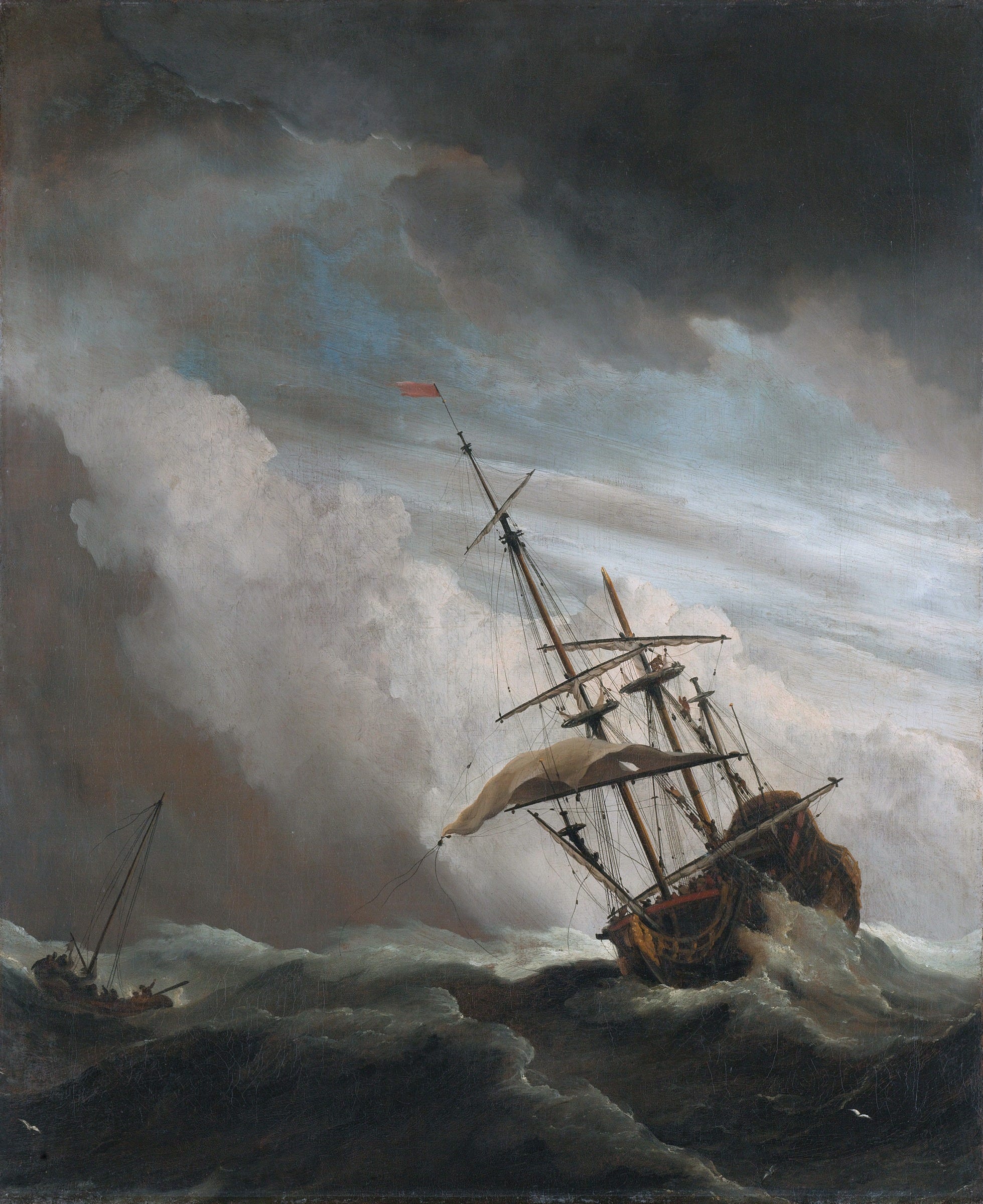
Halfway across, the North Atlantic turned on them. October gales. Wind blowing straight in their faces. Bradford says they “met with many fierce storms” and the ship was “shrewdly shaken,” her upper deck “very leaky.” Seawater dripping onto people trying to sleep.
Plenty of puking.
Then one night, a loud crack. One of the main beams “bowed and cracked.” Sailors started muttering about turning back.
The fix? “A great iron screw the passengers brought out of Holland.” They cranked the beam back into place, braced it with a post, and kept going. You’ll hear it came off a printing press. Nice story. Wild guess from 1922.
Then John Howland, a young servant, stepped on deck in a storm and got pitched overboard. Gone. Into the Atlantic. Somehow he grabbed a trailing rope, the topsail halyards, and hung on under the waves until the crew hauled him up with a boat hook.
Good thing he made it. His descendants include FDR and both Bushes.
They were shooting for New York
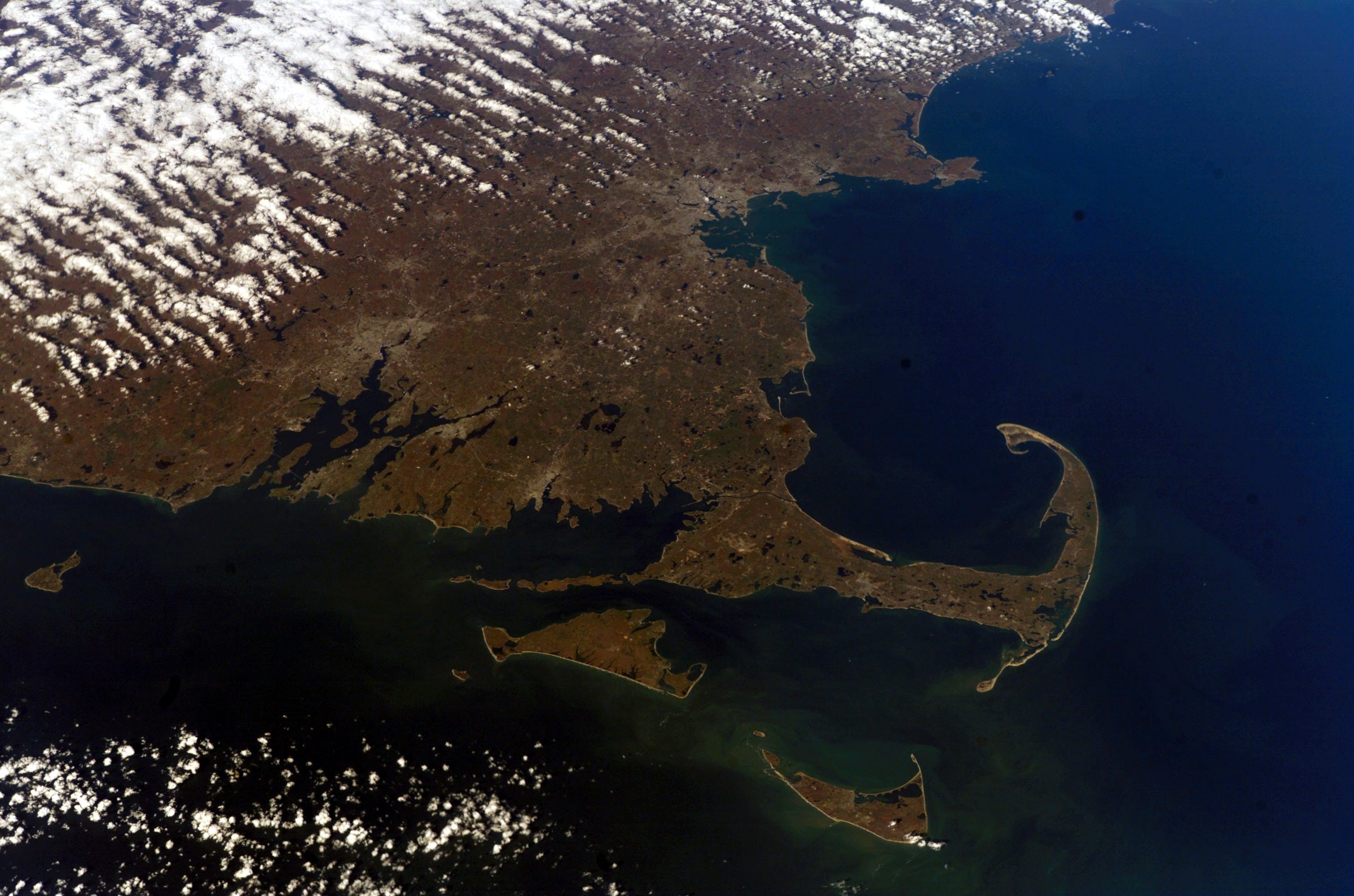
Sixty-five days of churning sea. Then on November 19, somebody spotted land. Cape Cod.
Wrong spot.
The plan was “to find some place about Hudson’s River,” up near what’s now New York.
So they turned south. Ran right into shoals and “roaring breakers,” white water churning over sandbars. Nearly wrecked. Jones turned her around and headed back up to the tip of the Cape.
When they finally dropped anchor, Bradford says they “fell upon their knees and blessed the God of heaven, who had brought them over the vast and furious ocean.”
A baby was born right there in the harbor. His parents named him Peregrine. Means pilgrim, more or less.
And one more reason they didn’t push on. Mourt’s Relation, written by some of them a year later, admits it: “our victuals being much spent, especially our beer.”
They were out of beer.
My kind of people.
The starving time
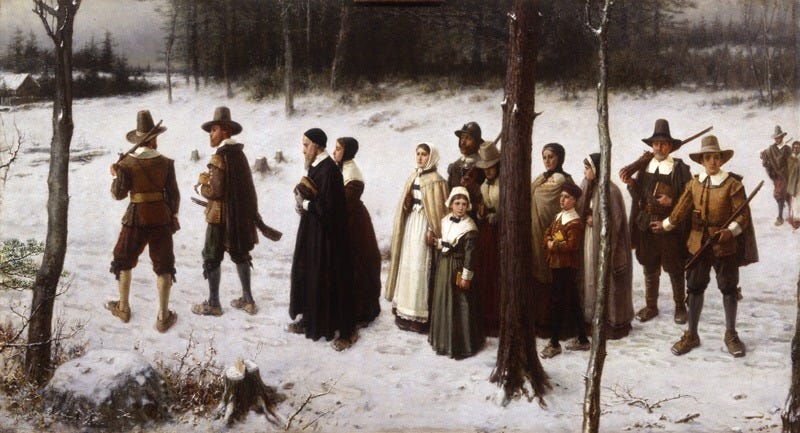
That first winter nearly killed them all.
They lived on the ship for months while the men built houses ashore in freezing rain. Coughing and fever. Scurvy. Bodies wrapped and buried at night.
By spring, “half of their company died.” Of 102, “scarce 50 remained.” At the worst, only “6 or 7 sound persons” were left to haul wood, cook and clean up after the sick.
Two of them were William Brewster and Myles Standish, the hired soldier.
One sick man begged the sailors for “a small can of beer.” The answer: “If he were their own father, he should have none.” Bradford wrote in the margin who that sick man was. Himself.
Captain Jones changed his tune later. He sent beer ashore for the sick, even though it meant he’d drink water on the way home.
The crew got slammed too. Almost half of them died.
One family, the Mores, sent four children over. Only Richard lived.
“Welcome, Englishmen”
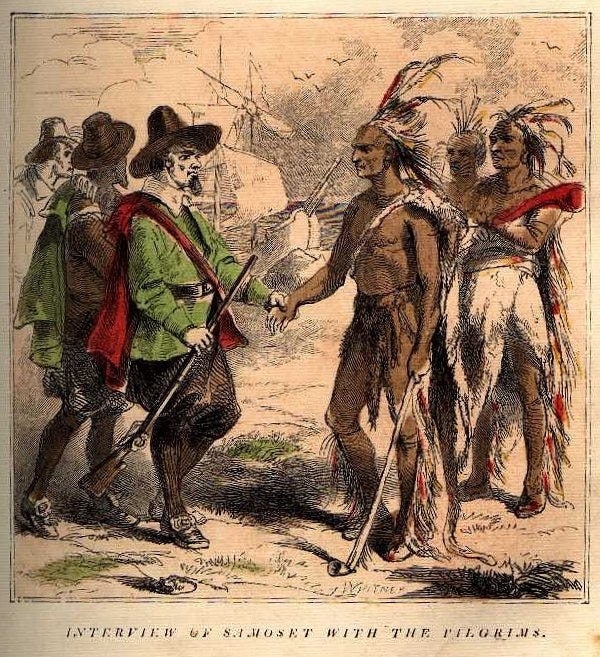
March 1621. A tall man walked straight into the settlement. Alone.
He “saluted us in English, and bade us welcome.”
His name was Samoset. He’d picked up English from fishermen up the coast. First thing he did after hello? He “asked some beer.” They gave him “strong water,” brandy basically, and biscuit instead.
A few days later he brought a friend. Squanto.
Squanto’s story is wild.
In 1614, an English captain named Thomas Hunt kidnapped him and sold him as a slave in Spain. He got out. Made it to London and lived with a merchant named John Slany. Went to Newfoundland. Got home in 1619 and found his whole village wiped out by disease.
And then he helped the people from the country that took him. Showed them how to plant corn with fish in the hills, where to catch eels, how to get by.
Bradford called him “a special instrument sent of God.”
The feast nobody called Thanksgiving
That fall the harvest came in.
About 90 Wampanoag men showed up with their leader Massasoit. They stayed three days. Edward Winslow says they “entertained and feasted,” and the men went out and “killed five deer.” The English also “exercised our arms.”
Translation: they fired guns. At a dinner party. Who am I to argue?
The menu? Only two foods made it into the record. Fowl and venison. Bradford mentions a “great store of wild turkeys” that fall, so turkey is possible. Pie, probably not. No ovens and hardly any sugar.
And nobody called it Thanksgiving.
To the Pilgrims, a day of thanksgiving meant church and prayer, and their first one came in 1623, after rain broke a drought. Nobody called that famous feast “the first Thanksgiving” until 1841.
Oh, and Plymouth Rock? Nobody pointed it out until 1741, when a 94-year-old man named Thomas Faunce said that was the spot.
Out of beer, full of thanks
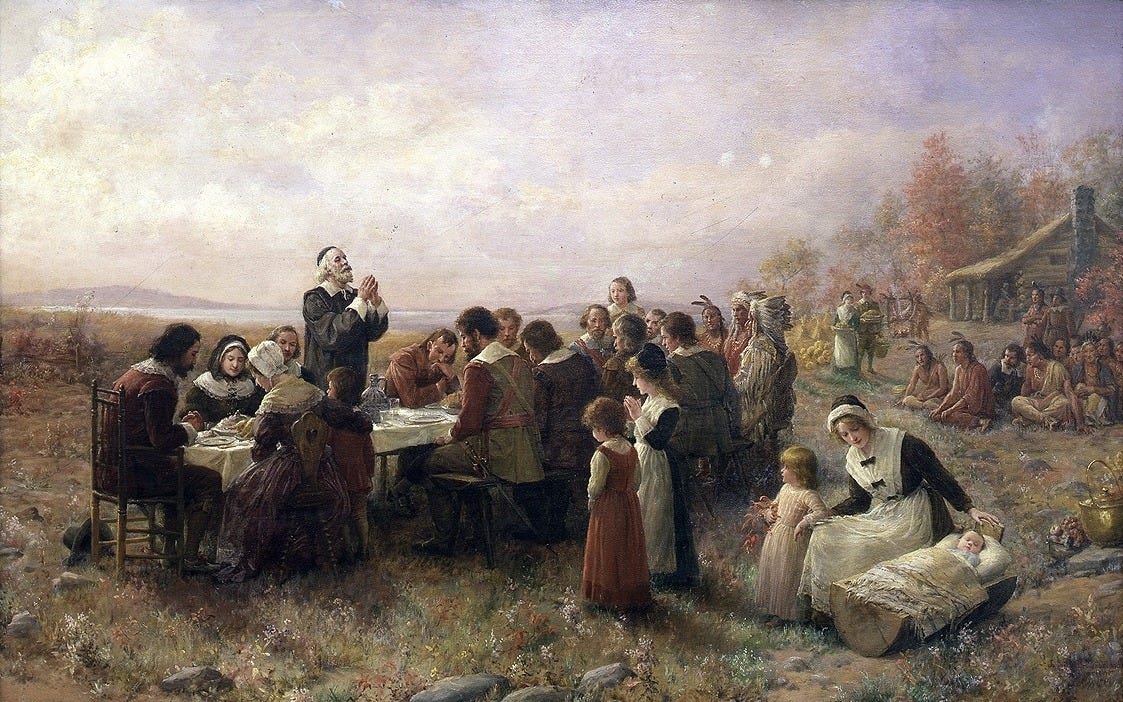
And that’s the real Mayflower story.
Messier than what Miss Montgomery taught us at Northwood Elementary. Better, too. A ship of saints and strangers who didn’t trust each other. Half of them dead by spring. A beer shortage that changed history. And a man who had every reason to hate them, saving them anyway.
This year I’m at the kids’ table again, except the kids are all over 50. I’ll be the one telling the real story.
I caught a TV segment on doomscrolling this week. One of the guests had a simple fix for the holidays. A basket by the door. Phones go in, people come to the table.
I like it.
So this Thanksgiving, put the phone in the basket.
Forget the doomscroll for one day. Look around the table and remember what it cost to get us here. A leaky wine ship. A cracked beam and a big iron screw. Graves on a hill before the first spring. They kept going anyway.
Tell the real story of t. Be thankful for the brave ones who survived it so we could be here.
Forget doom, honor America’s legends, my friends ✨
Want more stories like this instead of the doom feed? Subscribe. It’s free, and I only send the good stuff.
I got my masters in history at 75...loved college...always loved real story behind the fake one like Betsy Ross and the first flag..
I loved this, thank you for telling it. It’s always been the way though of sanitising history to make it more palatable to everyone hasn’t it? I mean technically, our Christmas is a made up festival but it doesn’t alter the fact that someone somewhere died for his beliefs and spread his gospel to such an extent it became a worldwide religion. Some say it’s delusional to believe. I don’t think so. It matters not to me whether he was the son of God, which I believe him to be, or someone just like us but with a moral code off the Richter scale 🤷♀️, his message, with some at least, stayed and that’s the important part I feel.