

I saw the vicious right uppercut that dropped Mike Tyson on live TV in February 1990.
Tyson was 37-0. Fast, savage, devastating. Vegas tagged Buster Douglas as a 42-to-1 long shot.
Douglas disagreed.
He pored over Tyson’s tendencies for weeks before. In the tenth round, the uppercut stunned Tyson.
Next, a four-punch combo floored him for the first time. A dazed Tyson fumbled for his mouthpiece while the referee counted to 10.
My three friends went nuts on the couch. Craig spilled his beer. Bedlam at the Pickett house.
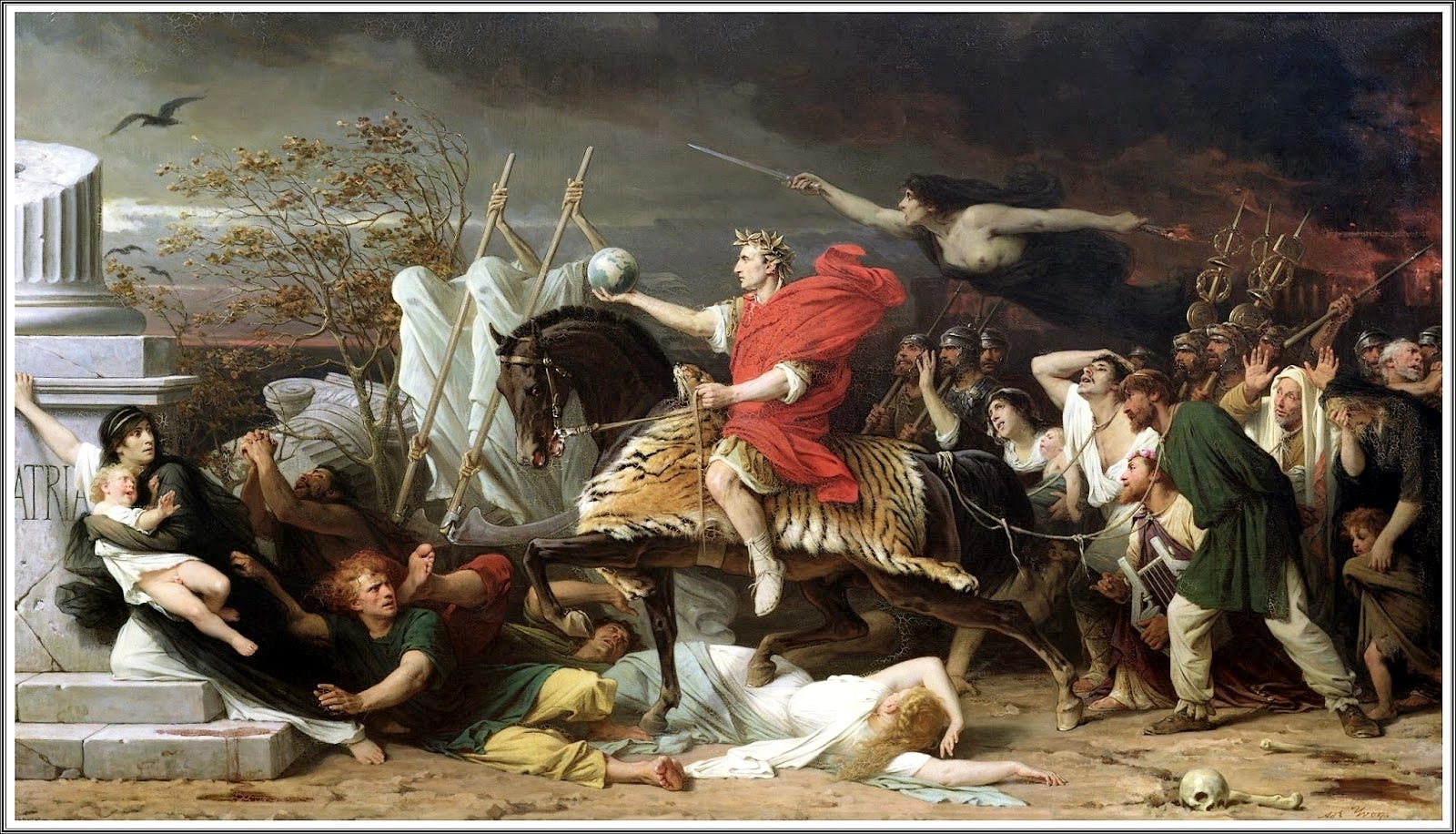
Twenty-one centuries earlier, on a plain in Greece, a similar scenario unfolded.
The Battle of Pharsalus, 48 BC.
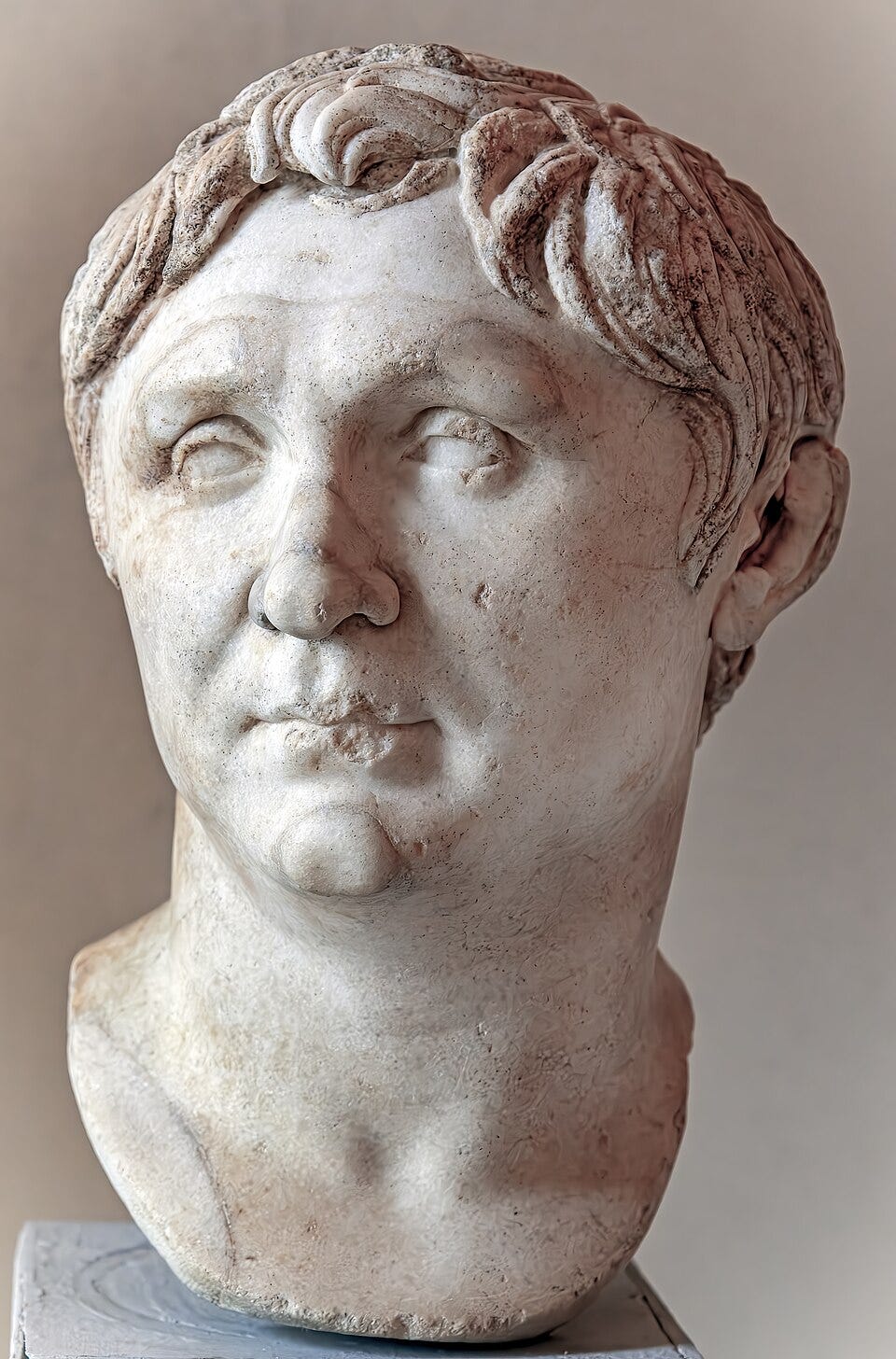
Julius Caesar on one side, more than a year after crossing the Rubicon. On the other, Pompey the Great.
Commanding Pompey’s cavalry was a general who’d spent nearly a decade fighting alongside Caesar, learning how he thought.
His instincts, tactics, and the risks he’d take.
Pompey lost anyway
Flat farmland in Thessaly, baked dry by an August drought. The Enipeus River running low on one side, hills rising in the distance on the other. Tens of thousands of men standing in the heat with nowhere to retreat.
Fight or die for Rome.
This newsletter is reader-supported. Please consider a $5 subscription:
3 weekly history essays. Easy reading. No dull dissertations around here.
AI tips and how-tos for non-technical writers.
1 monthly AI update newsletter on AI tips for content/video.
Monthly open DM sessions.
Caesar Outnumbered 2 to 1
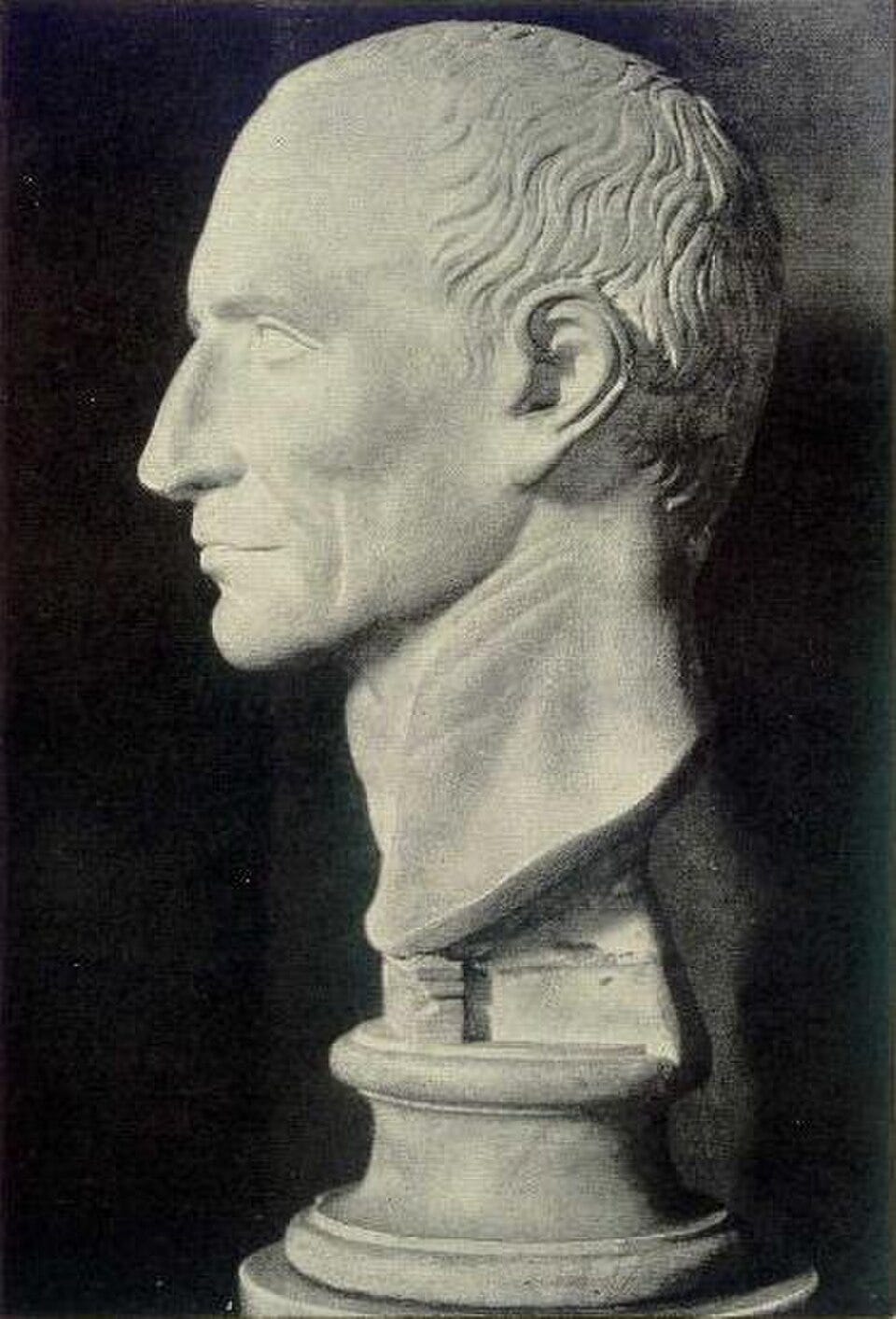
Julius Caesar faced Pompey the Great with roughly 22,000 infantry against Pompey’s 45,000. The cavalry gap was ridiculous: 7,000 horsemen for Pompey against barely 1,000 for Caesar.
On papyrus, this was a slaughter in the making.
One thing though.
Caesar possessed a critical advantage most forget. Not a weapon. Not a formation.
He knew the general who used to be his understudy.
Titus Labienus Knew Almost Every Caesar Trick
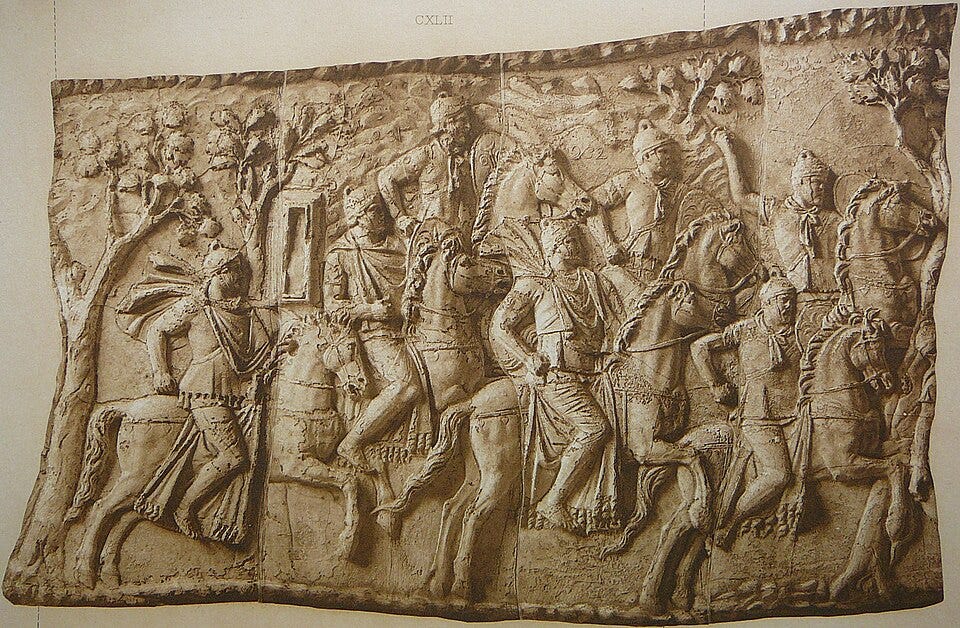
Titus Labienus spent eight years as Caesar’s second-in-command during the Gallic Wars, 58 to 50 BC.
Labienus was no mere subordinate.
He was the general Caesar trusted to run entire campaigns alone while Caesar sailed for Britain or rode south to handle politics in Cisalpine Gaul.
Labienus knew Caesar’s instincts on a battlefield the way your longtime business partner knows how you negotiate at a conference table.
Which tactics he leaned on and the risks he was willing to take. How he liked to bait an enemy into overcommitting with aggressive troops, until they walked into lethal traps.
Then the civil war erupted.
Labienus chose Pompey.
The Senate, backed by Pompey, ordered Caesar to disband his army and return to Rome as a private citizen.
He would be stripped of the power that had once protected him from prosecution. Caesar refused.
He crossed the Rubicon with his legions instead. The two men who’d once ruled together became the two bitter enemies.
In a deathmatch for Rome.
By the time the two armies faced each other at Pharsalus, Labienus wasn’t just battling his old commander.
He led Pompey’s cavalry, the single unit meant to decide the entire battle. Seven thousand expert horsemen, led by the one man alive who understood exactly how Caesar thought.
You might expect a result like Tyson vs. Spinks. A wipeout, over before anyone broke a sweat.
Pompey had the overwhelming numbers. Labienus knew Caesar’s tactics. Cavalry decided battles like this.
Everyone knew it — a century and a half earlier, an out-cavalried Roman army had been encircled and slaughtered at Cannae.
The evidence pointed to Pompey demolishing Caesar.
Spears as Swords, Not Missiles
Most retellings of Pharsalus skip this part. We won’t.
Caesar didn’t just reposition his infantry and hope to surprise Pompey. He pulled 3,000 grizzled veterans, six cohorts, from his third line and hid them behind his own cavalry.
Then he issued a startling order that broke every rule of Roman warfare.
He commanded his infantry to charge the cavalry.
Don’t throw your javelins. Hold them like spears. Aim for the face. Slash and gouge out their eyes.
What?
Infantry doesn’t charge cavalry.
It’s unthinkable. A guaranteed bloodbath.
But Caesar had noticed an important weakness about Pompey’s cavalry that had nothing to do with tactics..…
