

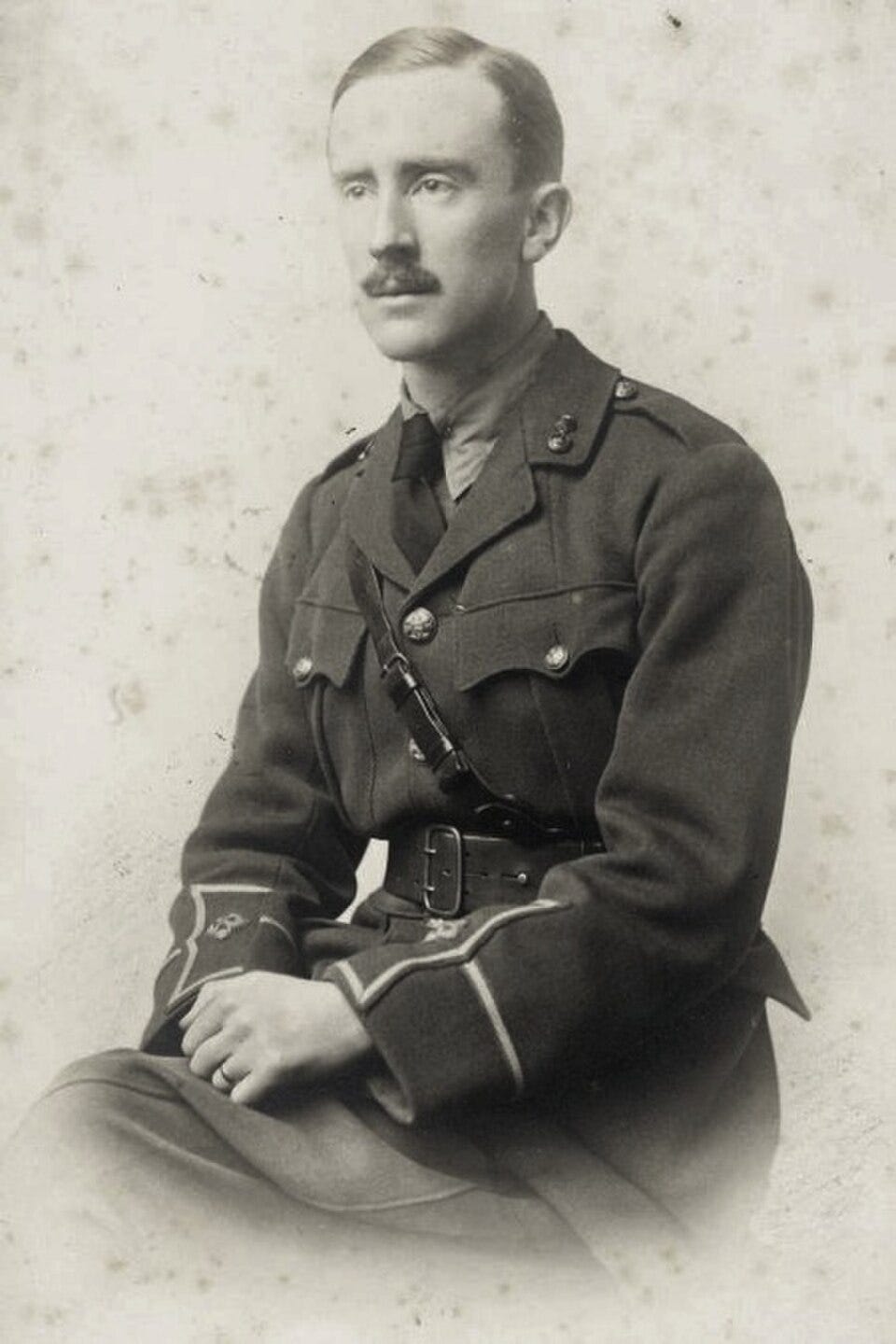
“𝑇ℎ𝑒 𝑤𝑜𝑟𝑙𝑑 𝑖𝑠 𝑖𝑛𝑑𝑒𝑒𝑑 𝑓𝑢𝑙𝑙 𝑜𝑓 𝑝𝑒𝑟𝑖𝑙, 𝑎𝑛𝑑 𝑖𝑛 𝑖𝑡 𝑡ℎ𝑒𝑟𝑒 𝑎𝑟𝑒 𝑚𝑎𝑛𝑦 𝑑𝑎𝑟𝑘 𝑝𝑙𝑎𝑐𝑒𝑠; 𝑏𝑢𝑡 𝑠𝑡𝑖𝑙𝑙 𝑡ℎ𝑒𝑟𝑒 𝑖𝑠 𝑚𝑢𝑐ℎ 𝑡ℎ𝑎𝑡 𝑖𝑠 𝑓𝑎𝑖𝑟, 𝑎𝑛𝑑 𝑡ℎ𝑜𝑢𝑔ℎ 𝑖𝑛 𝑎𝑙𝑙 𝑙𝑎𝑛𝑑𝑠 𝑙𝑜𝑣𝑒 𝑖𝑠 𝑛𝑜𝑤 𝑚𝑖𝑛𝑔𝑙𝑒𝑑 𝑤𝑖𝑡ℎ 𝑔𝑟𝑖𝑒𝑓, 𝑖𝑡 𝑔𝑟𝑜𝑤𝑠 𝑝𝑒𝑟ℎ𝑎𝑝𝑠 𝑡ℎ𝑒 𝑔𝑟𝑒𝑎𝑡𝑒𝑟.”
Haldir, in J.R.R. Tolkien’s The Fellowship of the Ring (1954)
France and Italy are bracing for round two this weekend.
Last Saturday, rioters broke into the 143-year-old city hall in Limoges and set it on fire, and the roof came down.
Paris shopkeepers spent today boarding up... even Fouquet’s on the Champs-Élysées.
The rioters’ argument is an old, foolish one: stuff costs too much. So let’s break stuff and steal.
Wrong.
Marcus Aurelius’s Meditations never leaves my desk. He wrote it in an army camp on the Danube, with plague tearing through the empire:
“What stands in the way becomes the way.”
Two hours north of Paris lies the Somme, where J.R.R. Tolkien lived through the worst day in British military history.
His answer? No bricks... he built the Shire. Tolkien later said the war quickened his love of fairy stories “to full life.”
His dear friend Rob Gilson never came home from the Somme. He was one of 19,240 British soldiers killed on day one.
Middle-earth sprang partly from the hell of the Somme. The rest starts in a Birmingham school library, with four boys and a pot of smuggled tea.
Social Media, Inc. promotes constant negativity. At Past Passport, we disarm the doomscroll with history, art, and beauty. A daily shot of optimism. Join us:
3 history essays a week. No dull dissertations.
1 extra issue a month: an AI breakdown or a Stoic essay.
An open DM session on the month’s top article.
A brighter outlook and a creative streak that comes back. (Mine did.)
First week free, then $5 a month. One free week included.
Four schoolboys swore to change the world
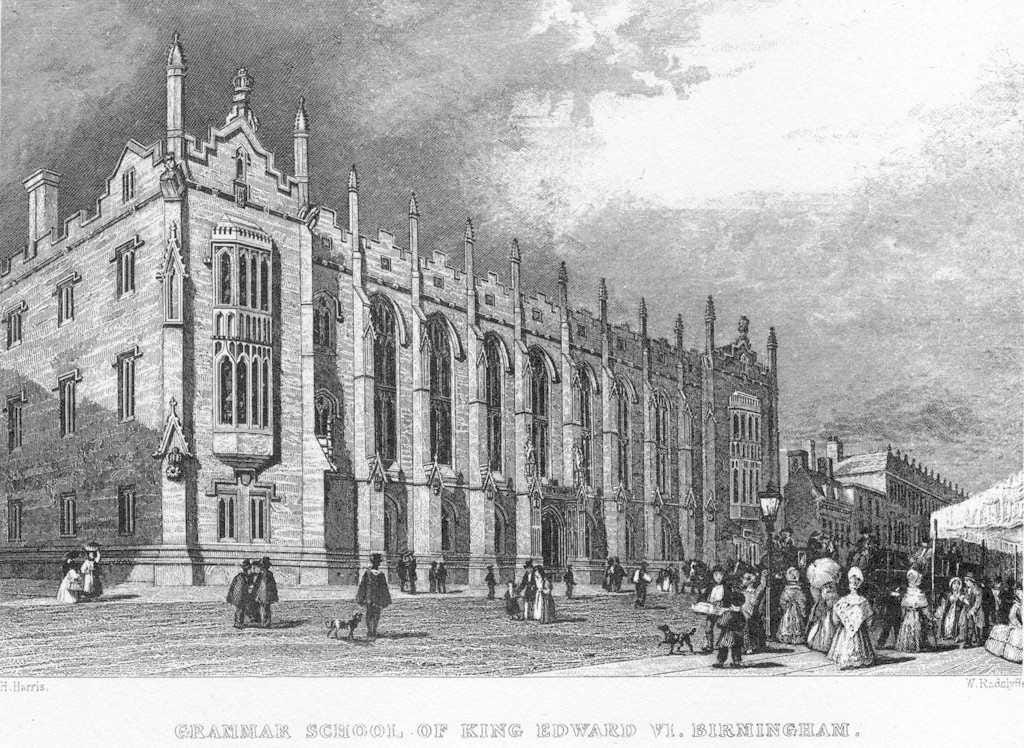
King Edward’s School in Birmingham, around 1911. Four teenage boys hunch over a contraband pot of tea in the school library... and talk about saving civilization.
Rob Gilson was the headmaster’s son, so brewing it under his father’s roof took courage. Geoffrey Bache Smith wrote poems, Christopher Wiseman wrote music, and Gilson drew.
Then there was Tolkien, the language nerd who’d been conjuring his own tongues since childhood.
They named themselves the T.C.B.S., the Tea Club and Barrovian Society, after Barrow’s Stores, a Birmingham tea shop.
In 1913, Tolkien came across a line in an Old English poem called Crist: “Eala Earendel engla beorhtast.” Hail Earendel, brightest of angels. He later said the name stirred something in him, like a thing half-woken from sleep.
By the next year, he’d turned that name into a poem, “The Voyage of Éarendel the Evening Star.” Middle-earth’s beginnings, two years before the trenches.
That December, the four met at Wiseman’s family home in London and spent a whole weekend talking about what their art would do for the world. Tolkien walked out believing he’d found his voice.
Two of them were dead on the Western Front within two years.
Britain lost 19,240 men between breakfast and dark

The ground at La Boisselle blew apart at 7:28 a.m. on a hot, clear Saturday. The Lochnagar mine, 60,000 pounds of explosive under the German line, left a crater you can still walk around today.
Two minutes later, the whistles blew.
Imagine the fear, and going anyway.
Rob Gilson went over the top with the 11th Suffolks. His company commander fell, and Gilson took over. A shell killed him while he led his men forward.
By nightfall, Britain counted an astounding 57,470 casualties and 19,240 dead. The battle had 140 days and more than a million casualties to go.
Tolkien’s battalion waited in reserve that morning, close enough to hear the British 18-pounders and the big 9.2-inch howitzers pounding the German line. Two weeks passed before he heard that Rob was gone.
The news gutted him. In August he wrote to Smith: “I do not feel a member of a little complete body now.”
He feared the T.C.B.S. and all its big talk had died with Rob.
Smith said forget it.
Tolkien saw more than three months of the Somme up close... with a field telephone in his hand.
The Dead Marshes sprang from Northern France
Tolkien married Edith Bratt in March 1916. By June he was in France, a 24-year-old second lieutenant and signals officer with the 11th Lancashire Fusiliers.
Army censors read every letter home, so Tolkien and Edith cooked up a workaround. Tiny pencil dots under certain letters spelled out where he was, and Edith tracked him on a map back in England (love finds a way).
On July 14 his battalion went into the line near Ovillers, a mile or so from where Gilson fell.
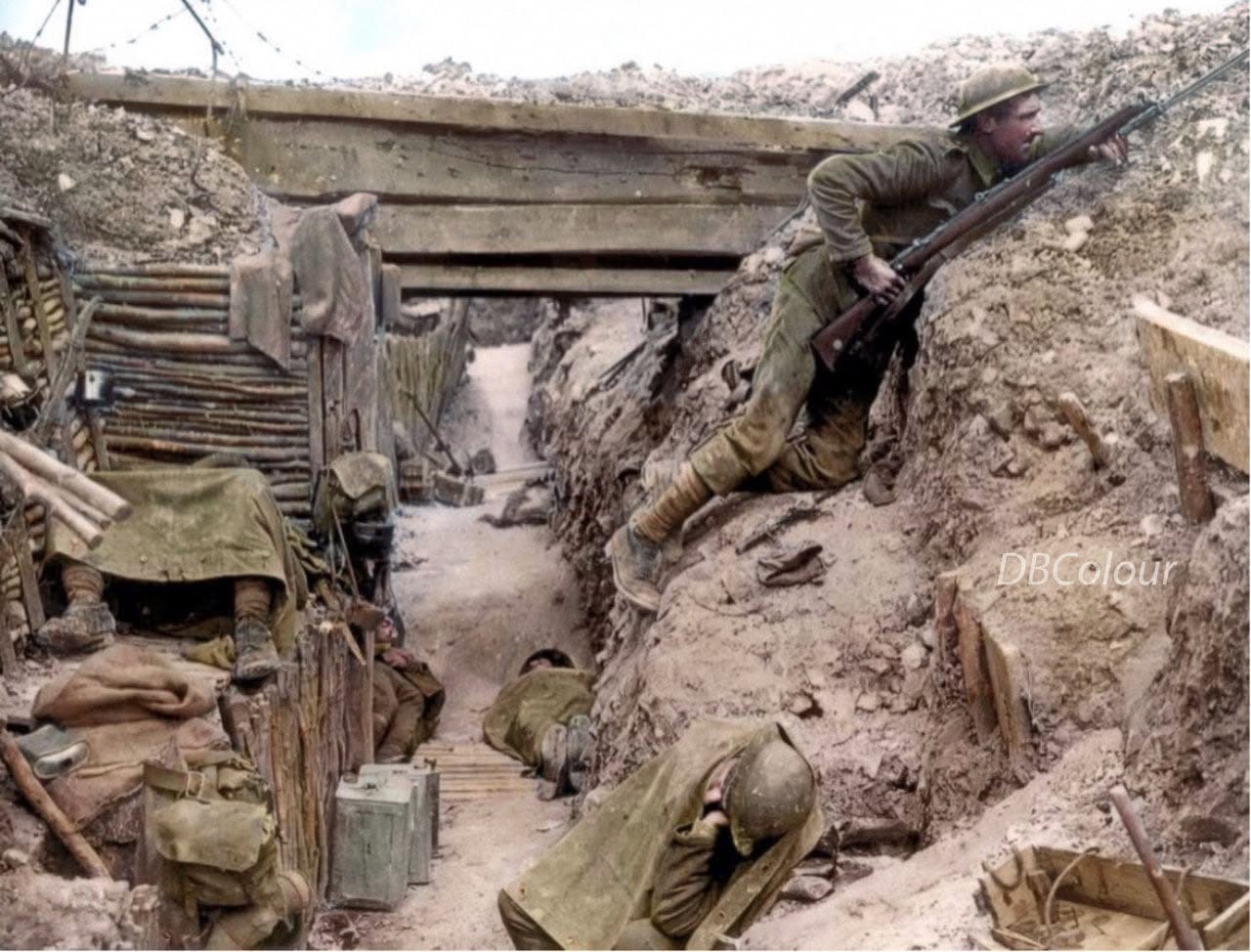
The ground had been a bloody battle over for two weeks, and shell holes filled with rainwater and the dead. Burial parties? Not yet. Rats? Far too many.
Tolkien went in and out of the line through the summer and into the October mud. His weapon was a field telephone, and he never said whether he fired a shot.
Forty-four years later, he told a correspondent that the Dead Marshes “owe something to Northern France after the Battle of the Somme.”
In The Lord of the Rings, Frodo and Sam pick their way across a swamp where pale dead faces stare up from under the water. Tolkien had seen the real McCoy.
At Ypres, I photographed rusted grenades a century old... farmers there still plow up tons of them every spring.
Know what he saw in the war, and you read Middle-earth differently.
In late October, the tiniest enemy on the Western Front took Tolkien out of the war.
The rest of the story is where Middle-earth is born…..
