

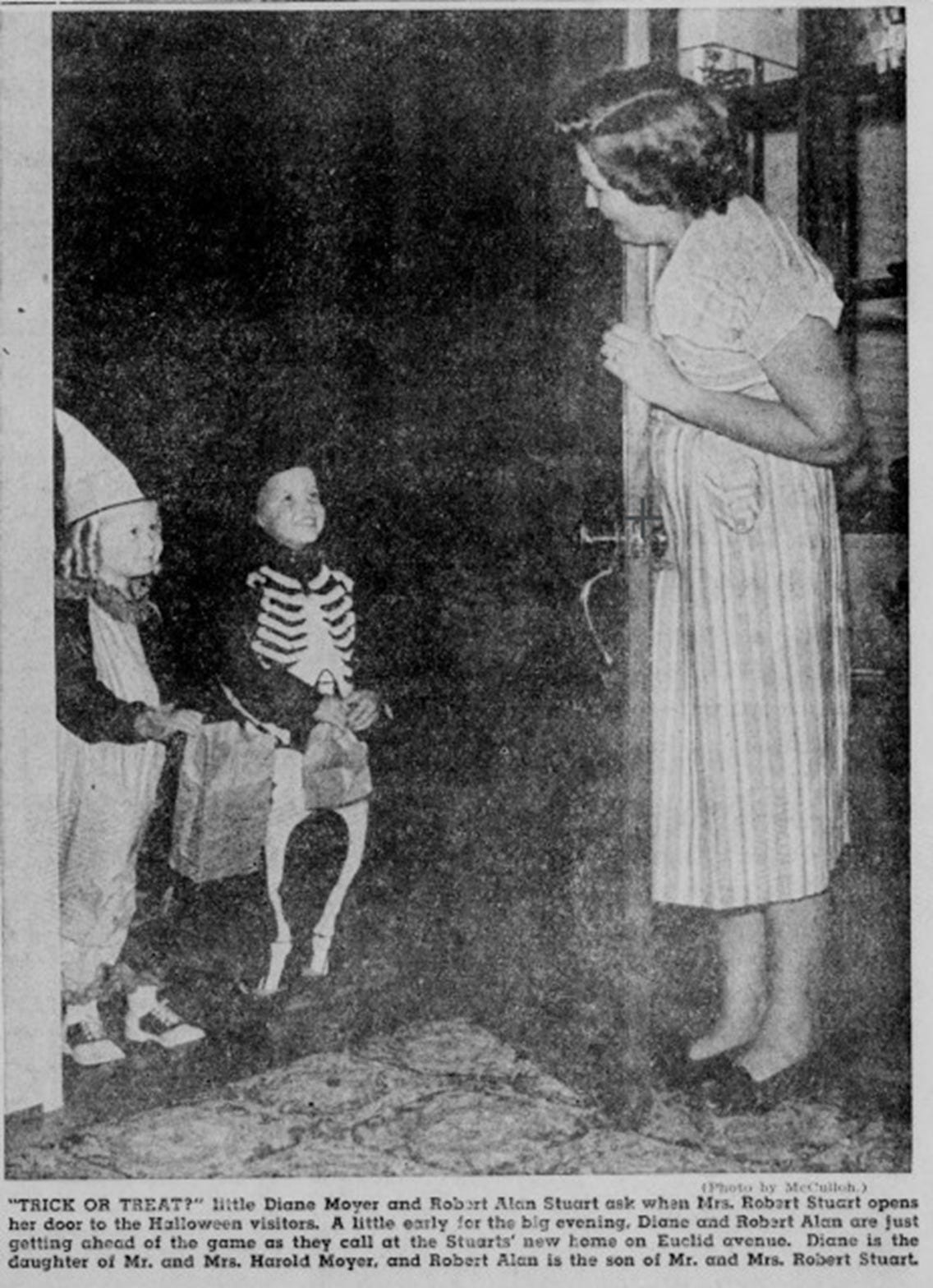
Tonight, about 4.6 million American kids will ring doorbells dressed as Spider-Man, and another 2.2 million as princesses. Somebody’s dad will explain that it all goes back to the ancient Celts.
Sorry, Pops.
Trick-or-treating is younger than the Model T. The first kids who did it were running a shakedown.
One of the earliest printed sightings of the phrase comes from Blackie, a prairie town in Alberta, in November 1927.
The Lethbridge Herald’s local correspondent reported kids “at back door and front demanding edible plunder by the word ‘trick or treat,’” and added that “the inmates gladly responded and sent the robbers away rejoicing.”
The ‘inmates’ were the homeowners. Some of them spent the next day hunting for their wagon wheels, gates, wagons, and barrels... which the youngsters had used to decorate the front street.
So how did a night of stolen gates turn into a bowl of Snickers? About 2,000 years of ghosts and one fed-up housewife.
This week’s article is free. Support Past Passport for just $5 a month. First week free.
The Celts had ghosts but no goodie bags
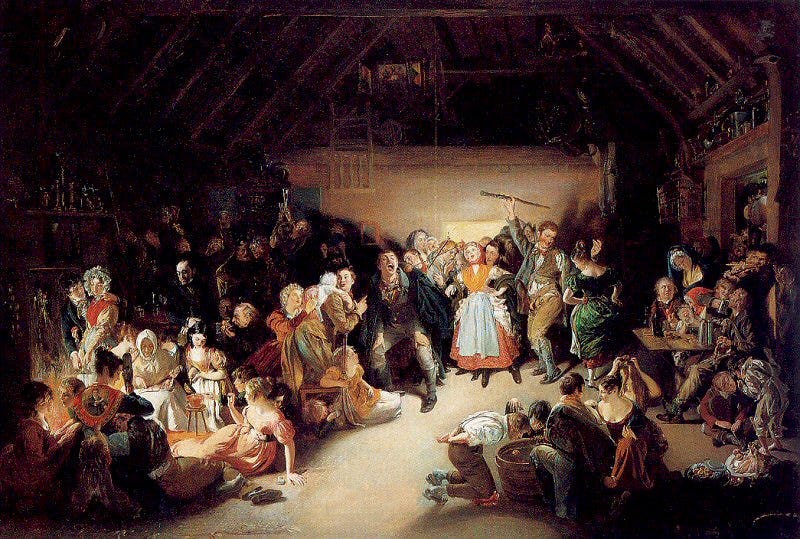
Samhain marked summer’s end in the Celtic world, a night when the dead were thought to wander close. Centuries later, poor folks in Britain went “souling” around All Souls’ Day, praying for a family’s dead in exchange for a soul cake.
Scottish and Irish kids went “guising” in disguise and had to earn their treat with a song or a joke.
Lovely customs. Still, nobody in the Middle Ages ran up to a porch squealing “trick or treat” with a blue pillowcase.
America’s Halloween was a vandal’s dream
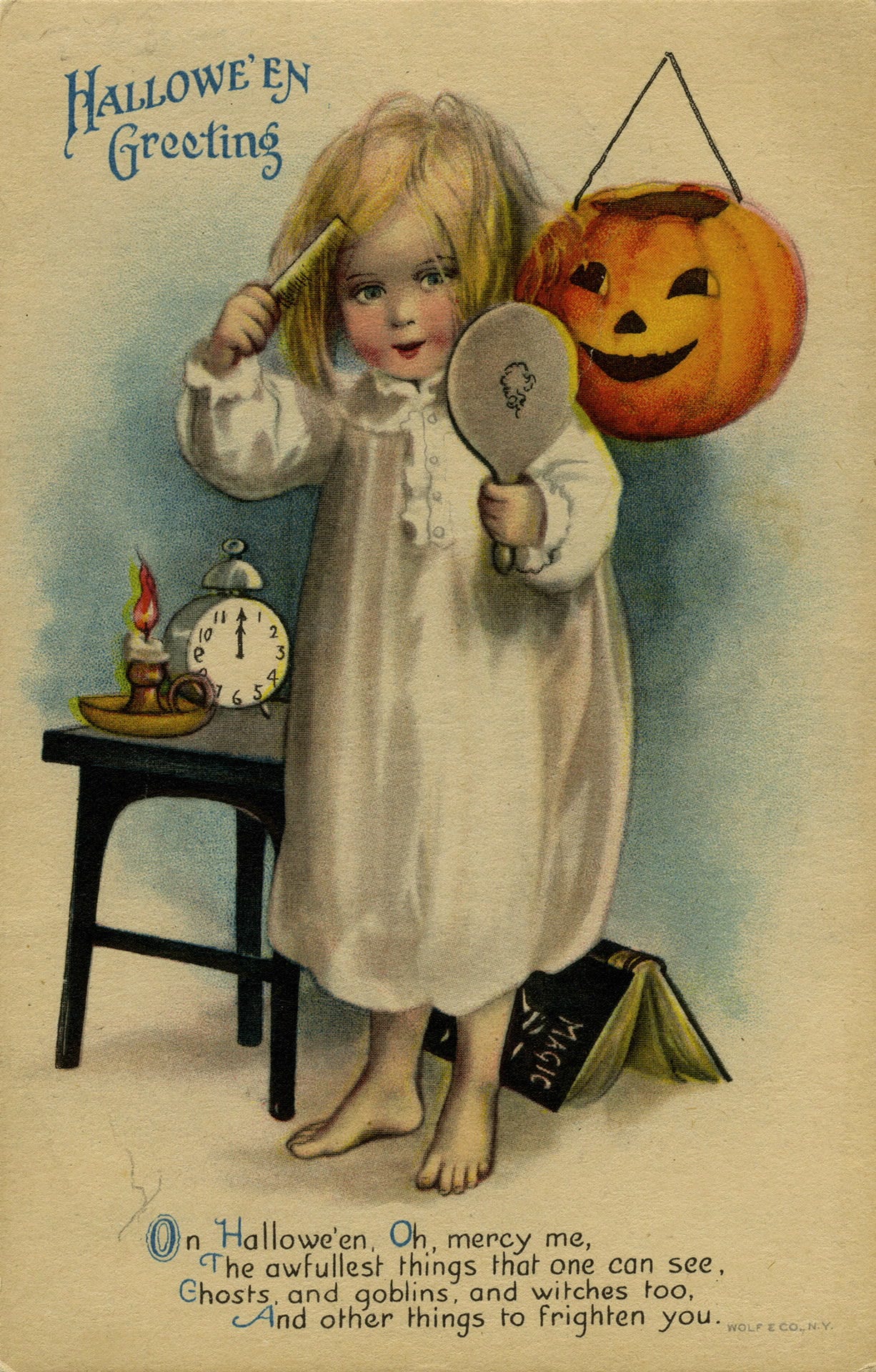
Irish and Scottish immigrants brought Halloween across the Atlantic in the 1800s, and their lads brought the mischief. They soaped windows and tied the doorknobs of facing apartments together. In 1894, 200 boys in Washington, D.C., pelted well-dressed streetcar riders with bags of flour.
Once America moved to the cities, the pranks got nasty... toilet paper in your oak tree would have counted as a slow night.
Kids pulled fire alarms and tossed bricks through shop windows. Some begged door to door for money or sweets and threatened damage if they came away empty-handed. Newspapers reported homeowners firing buckshot at 12-year-old pranksters.
Houston, we have a problem.
A housewife put the remedy in print
By the 1930s, towns were throwing Halloween parties at schools and community centers to get the vandals off the street.
In November 1939, The American Home ran an article by Doris Hudson Moss titled “A Victim of the Window-Soaping Brigade?” She described inviting the neighborhood kids to “trick or treat” at her house so they’d leave her windows alone... one of the first magazine accounts of the custom in the United States.
So what went in the treat bag?
Mostly not candy. Kids got homemade cookies, slices of cake, popcorn balls, apples, nuts, pennies, and the odd small toy. Up in Edmonton, folks called the whole business “Halloween apples.”
I still got pocket change now and then in the ’70s.
Hand a modern 8-year-old a popcorn ball tonight and watch the face he makes.
Costumes were homemade too, mostly bedsheet ghosts and paper outfits. Glamorous it was not.
Then the war took the sugar
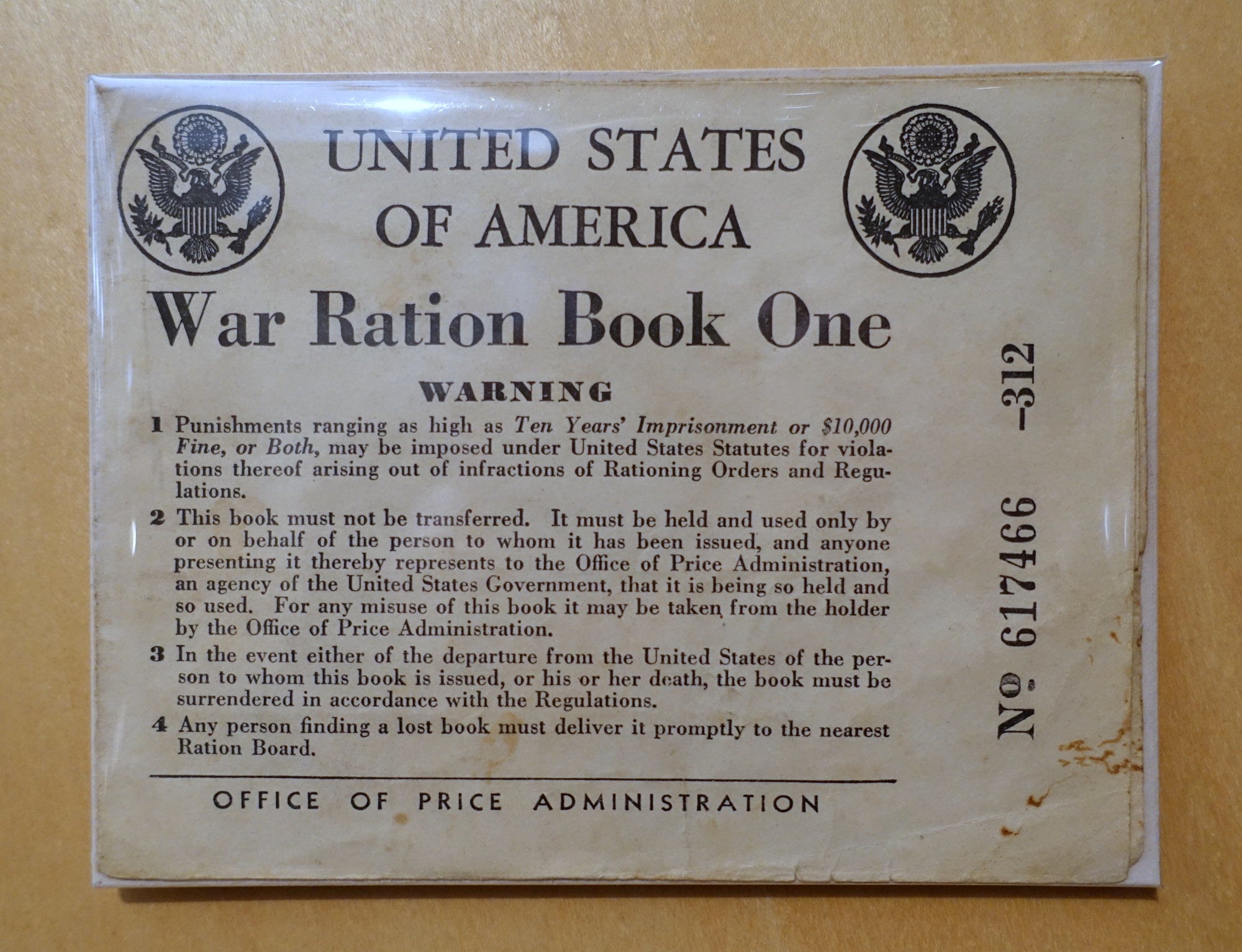
On May 4, 1942, Americans lined up for War Ration Book One, nicknamed the “Sugar Book”... half a pound of sugar a week per person.
That year, the superintendent of schools in Rochester, New York, wrote, “Soaping windows isn’t fun this year. Your government needs soaps and greases for the war.”
The Chicago City Council went further and voted to swap Halloween for “Conservation Day.” (Halloween won.)
Sugar rationing ended in June 1947, and the Halloween floodgates opened.
In 1952, Disney’s Donald Duck short “Trick or Treat” showed millions of kids how the routine worked... right after Donald drops firecrackers into his nephews’ treat bags.
Suburbs full of Baby Boomers meant blocks and blocks of front doors, and candy companies smelled money. By 1965, Halloween candy and costumes were a $300 million business.
The next year, Charlie Brown went out in a ghost sheet with way too many eyeholes and came home with TV’s most famous haul:
“I got a rock.”
Store-bought costumes came in a cardboard box with a cellophane window: a plastic mask and a screen-printed vinyl smock, from outfits like Ben Cooper and Collegeville.
If you were a kid in the ’70s, you remember. I sure do... the sweat under that plastic mask and the rubber band stretched behind my head.
Ben Cooper grabbed the Spider-Man license in 1963. Sixty-three years later, the web-slinger still tops the kids’ list, and the National Retail Federation expects Americans to spend $13.5 billion on Halloween this year.
My Siberian wife grew up without any of this, and still can’t believe a whole country pays off its children in Snickers.
The grown-ups picked generosity
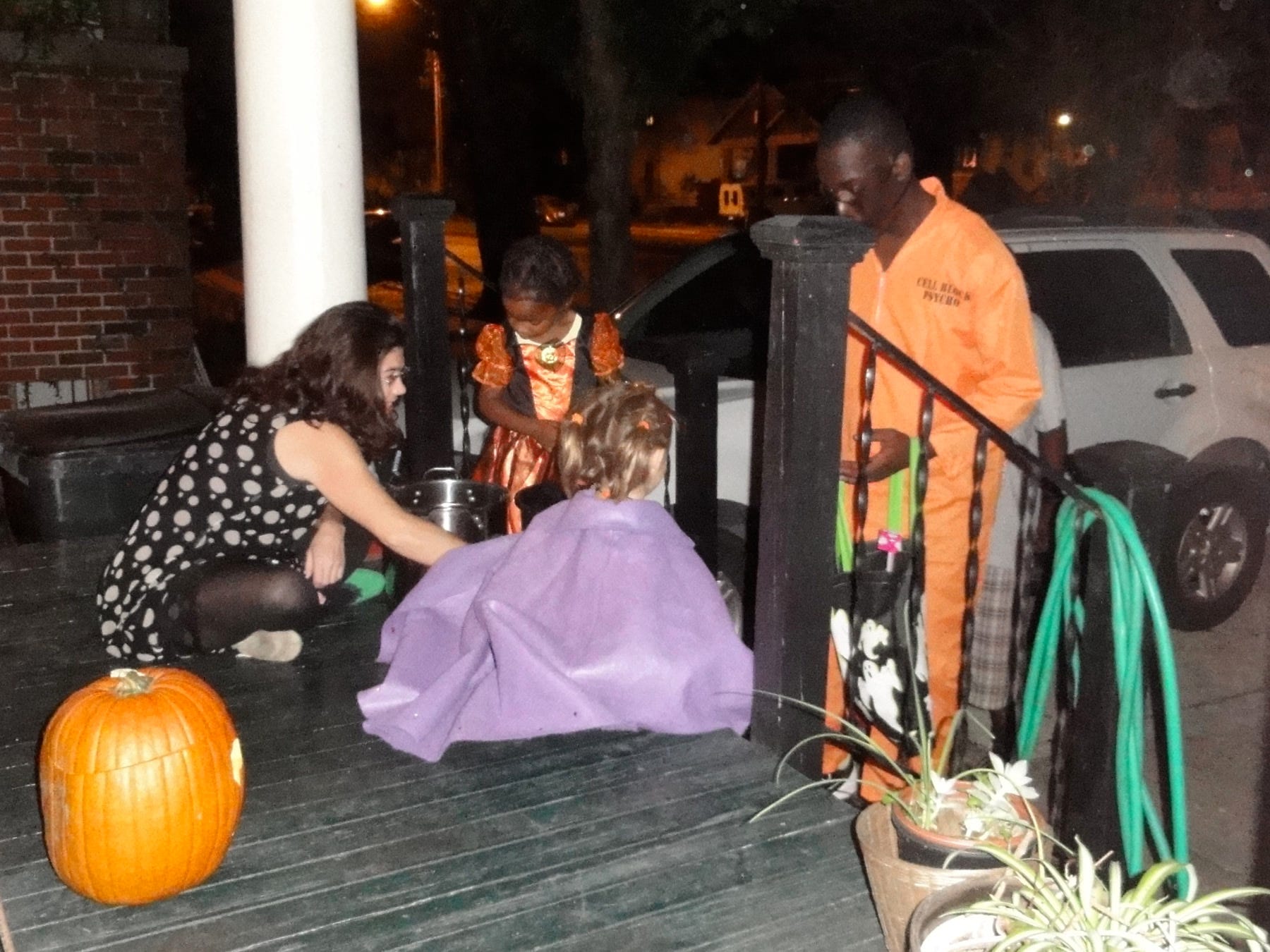
Those Depression-era homeowners could have kept loading buckshot. Some did.
The ones who changed Halloween put a bowl of popcorn balls on the porch instead, and the kids came to the door to ask nicely. The change has held for almost 90 years.
So tonight, when the doorbell rings, feel good that you’re keeping a young American tradition alive. Give Spider-Man the best stuff... no nasty candy. (CandyStore.com’s survey named candy corn the worst of 2026. You’ve been warned.)
Embrace beauty, reject doom, my friends ✨
I nuked my doomscroll from orbit on January 17, 2026, and started Past Passport. We embrace art, beauty, history’s heroes, and great books.
Join us... Your mood lifts and your creativity returns when you spend time with the great works and artists.