

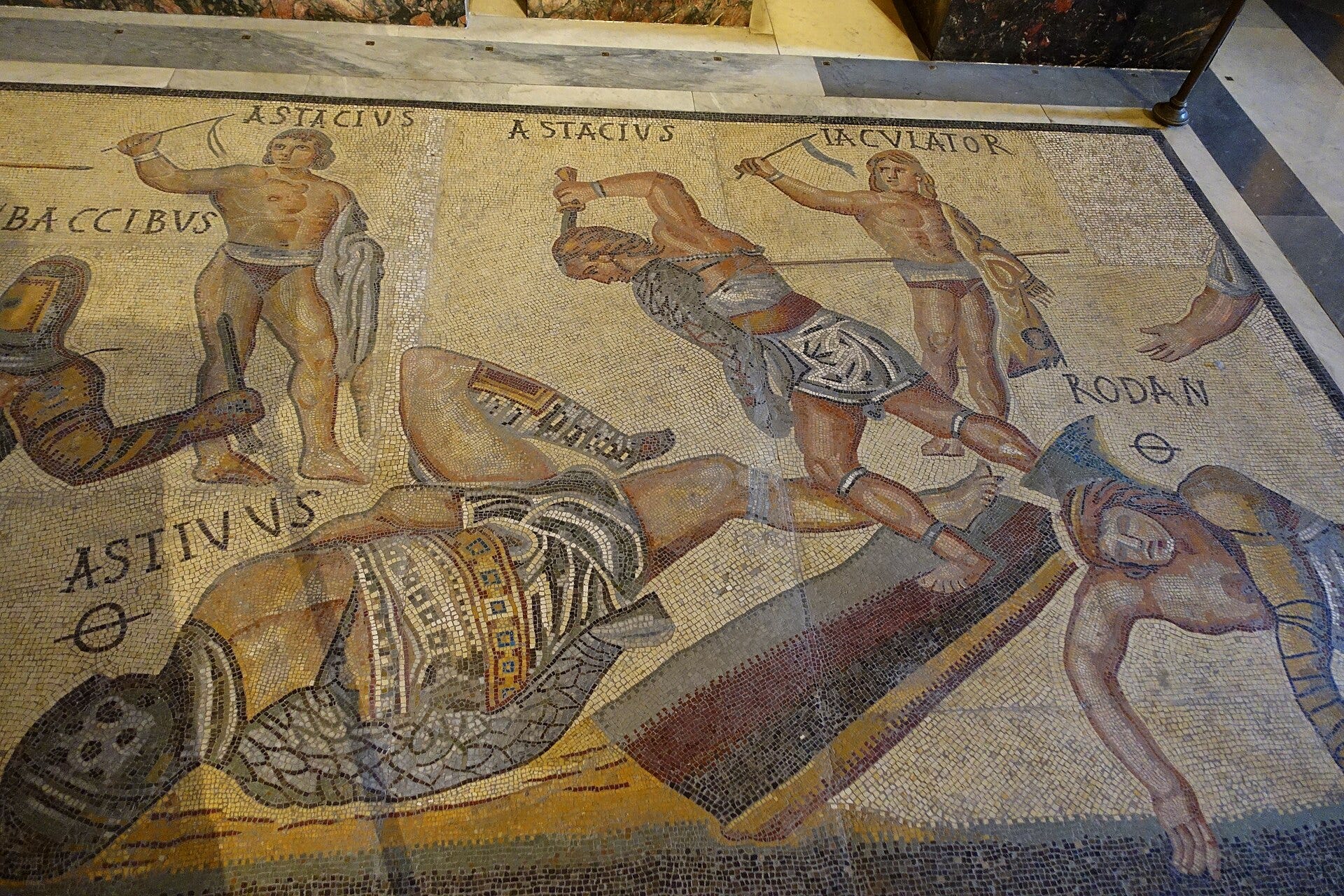
Two gladiators closing the distance in a dusty arena. Shouts of thousands in the stands.
Slabs of muscle. Sweat cutting tracks through the dust on their arms. Fed on piles of red meat and eggs, built like two heavyweights about to go to war.
That’s the image from our films, video games, and a hundred years of marketing constructed on the word ‘gladiator’ itself.
Gladiator bone analysis shatters the myth.
In 2014, scientists tested gladiator bones pulled from a grave outside Ephesus. Gladiators weren’t eating like elite athletes. They ate like typical peasants.
But one number in their bones was even more surprising.
Thank you for reading! Your support makes Past Passport possible. Paid subscribers get:
3 weekly history essays. Easy reading. No dull dissertations.
3 weekly quick summaries of how we use AI to create every essay.
1 monthly extra newsletter, rotating between a full AI breakdown for writers and video, and a Stoic philosophy article.
Open DM sessions on the month’s top article.
Only $5 per month.
How Researchers Knew Who Fought
Researchers ground bone samples from 53 skeletons into powder, then measured what was locked inside: carbon, nitrogen, sulfur.
Why measure them?
Carbon signatures show which crops fed a person; wheat and barley leave a different fingerprint than corn or millet. Nitrogen levels climb with meat and fall with legumes, so the number alone can separate a diet heavy in beans from one heavy in beef.
Sulfur points to protein source too, a second check against the nitrogen reading. Together, the three elements leave a permanent signature in bone, one that outlasts the person by decades.
The researchers relied on skull damage to pinpoint which skeletons were gladiators.
Eleven men had been hit hard enough to crack bone and lived: a sword edge, an axe, a mace, the kind of blow that should have ended a fight on the spot.
Sixteen wounds total, healed over, mended across months of more fighting after the first one didn’t kill them.
Three skulls told a more gruesome tale.
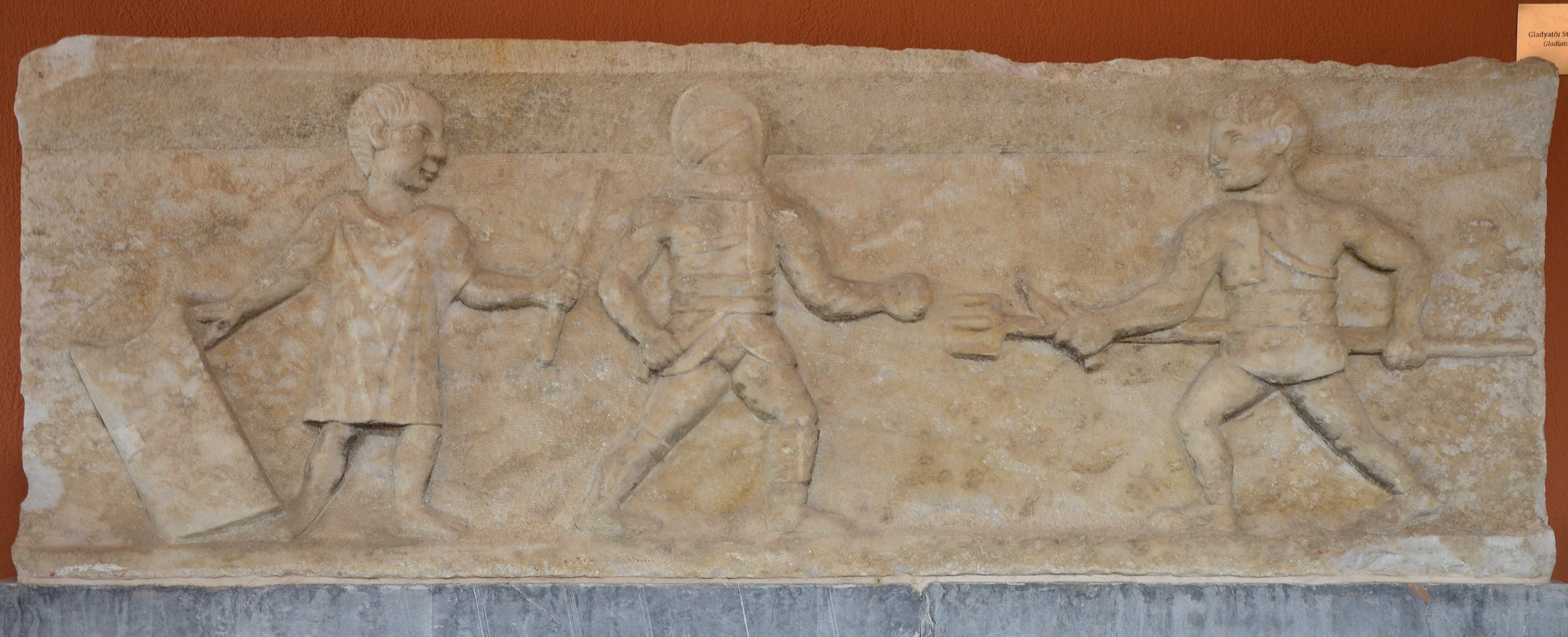
Holes punched clean through by a trident, a weapon only a gladiator would have faced. Most fighters wore helmets. Head wounds should have been rare. They weren’t.
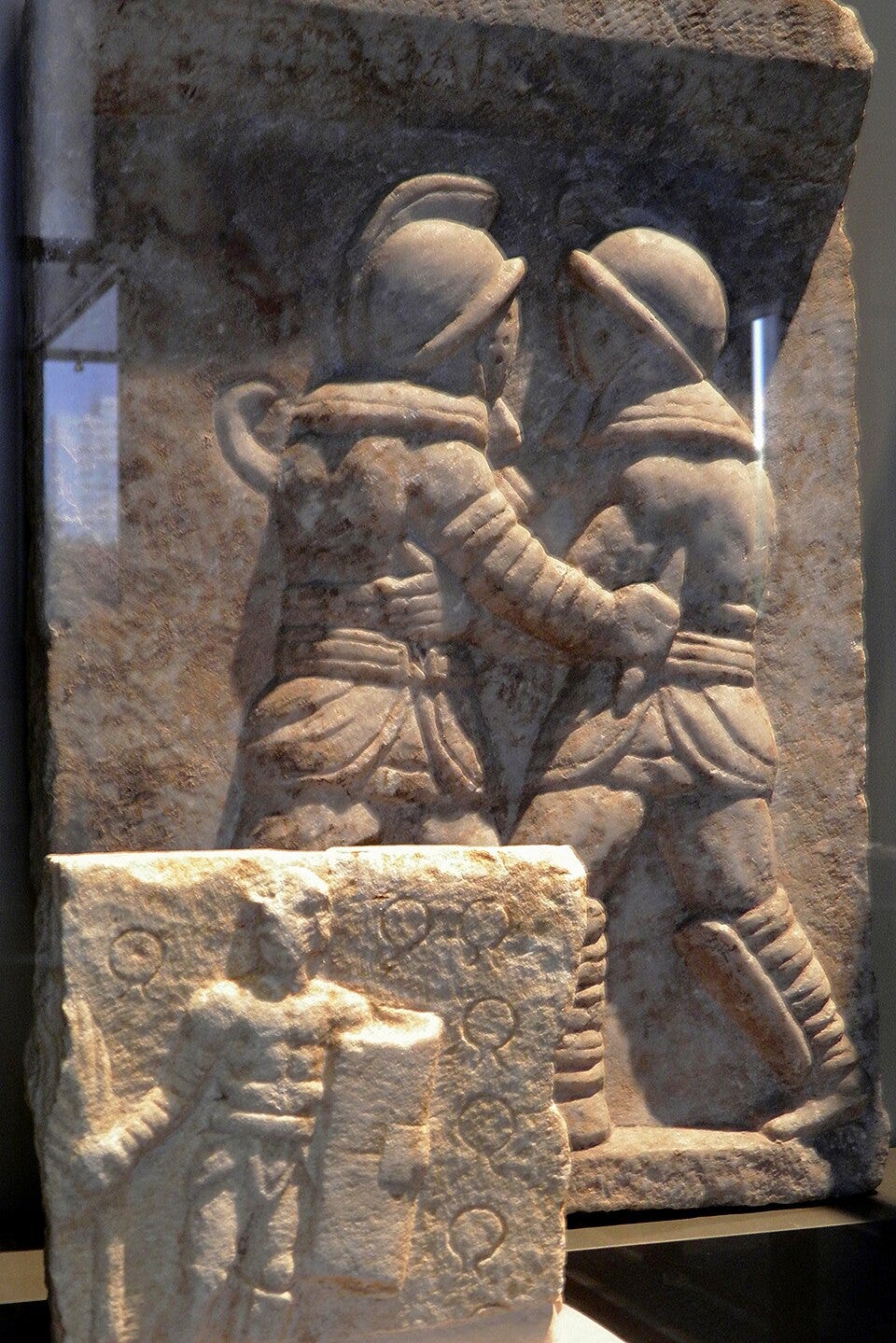
The matchups were built to be unfair... a fast fighter with no head protection against a slow one wearing a helmet with eye slits too narrow to see much of anything coming.
Meals Fit For a Peasant Table
Once researchers knew who the gladiators were, they matched the results to civilians almost exactly.
Wheat. Barley. A trace of other plants. No special training table, and no extra meat.
Picture gladiators sitting down to meals.
Barley porridge cooked down for hours until it turned grey-brown and starchy, thick enough to stand a spoon in. Its smell filled a low stone room every morning before drills. Beans boiled soft alongside it, sometimes mashed into the same pot, onion and a splash of vinegar cutting the blandness.
No meat on the fire, no smoke off a spit. Grain and legumes, in the same room, every day.
Gladiators ate barracks meals, built to feed a lot of bodies for not much money.
A Ginormous Red Flag
The bone analysis revealed another shocker.
Gladiator bones carried noticeably more strontium relative to calcium than the civilians buried around them. That ratio matters because plants pull strontium from soil more readily than animals do.
Something was pushing extra strontium into these skeletons that was absent in ordinary Ephesians.
