

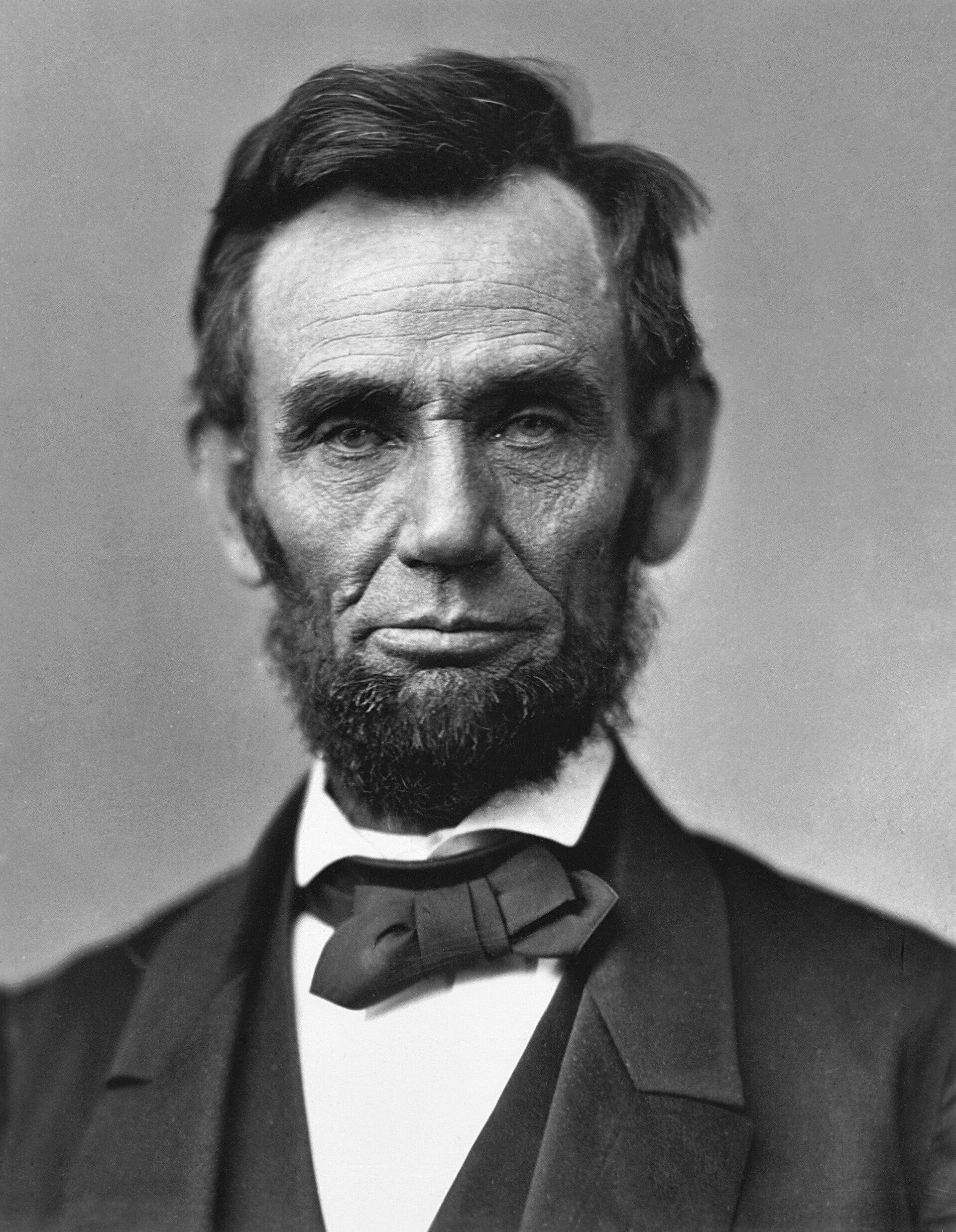
Most of us go all out when the spotlight is on us.
Far fewer give everything when we’re the opening act, when nobody expects much, and the crowd came to hear someone else. To me, that’s the real test of a man.
I’ve stood twice at Gettysburg where Lincoln spoke, among the curved rows of soldiers’ headstones on Cemetery Hill. Both times the same thing struck me: a tiny, almost throwaway speech became one of the most famous pieces of oratory in human history.
Hard times don’t stop great men. They focus them.
And here’s the weird part they didn’t teach us in fourth grade: we don’t know exactly what Lincoln said.
Five copies survive in his handwriting, and no two match. The biggest question is two words: “under God.” They’re missing from his two earliest drafts, but reporters on the field wrote them down, and Lincoln added them to every copy he wrote afterward.
One of those copies, the Bancroft copy, comes out of the vault at Cornell on Nov. 19 for a single day.
With bad news at our fingertips 24/7, let’s remember what one man did when nobody expected much.
One day only
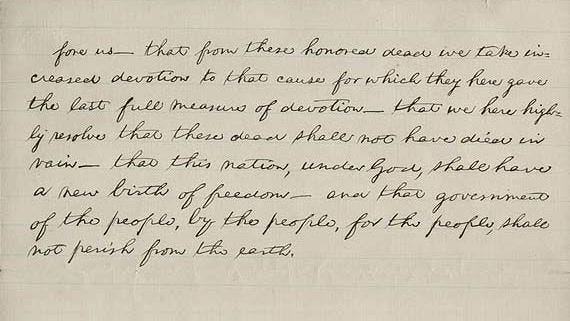
Next Thursday, Nov. 19, the 163rd anniversary of the speech, Kroch Library at Cornell will take the Bancroft copy out of the vault and put it on view.
It’s free and opens at 10 a.m. The last all-day showing was 11 years ago, and after that day it goes back in the vault.
Can’t get to Ithaca? Cornell has the page online.
So which page did Lincoln read? And did he say “under God”?
Let’s start at the beginning.
Know you’re the opening act
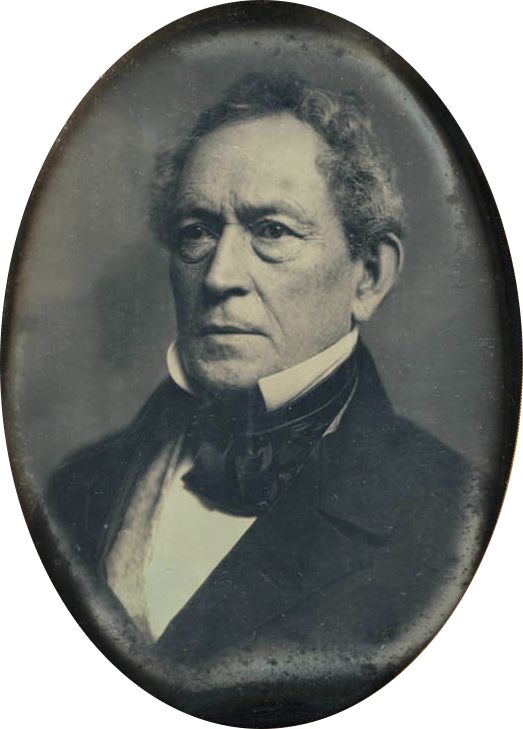
The organizers wanted the dedication on Oct. 23. Edward Everett needed more time, so they moved the whole ceremony to Nov. 19 to suit him.
That made sense. Everett had been president of Harvard, governor of Massachusetts, a U.S. senator and secretary of state, and the most famous orator in the country.
Lincoln’s invitation went out on Nov. 2, 17 days before the event. Lawyer David Wills asked him to set the grounds apart “by a few appropriate remarks.”
Translation: short and sweet, Mr. President.
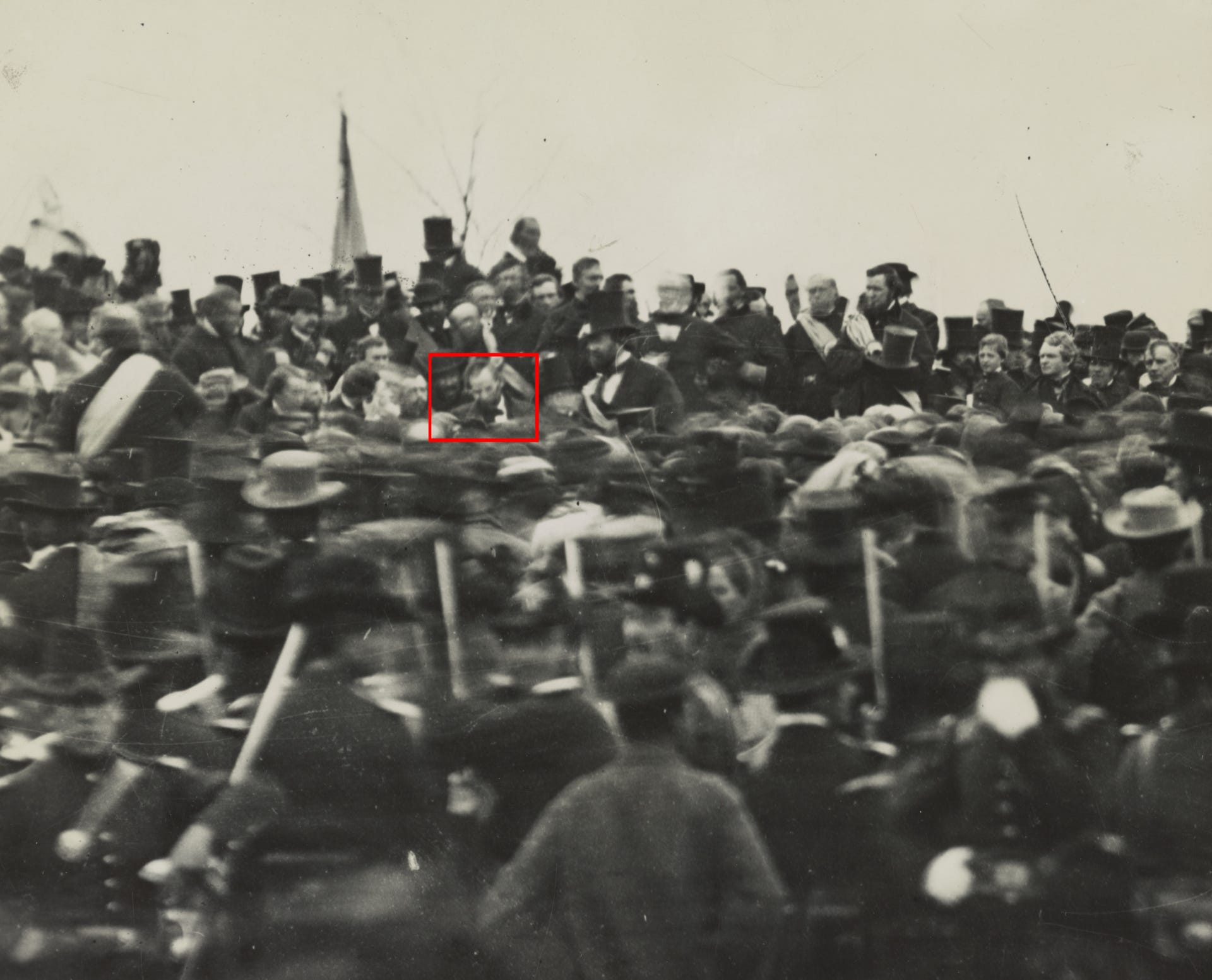
Everett spoke for two hours and more than 13,000 words. Lincoln spoke for two minutes, and photographers didn’t even get a shot of him.
Barely anyone today can tell you who Everett was.
Show up anyway
Secretary of War Edwin Stanton booked Lincoln a same-day train, in and out. Lincoln sent back a note: “I do not like this arrangement.”
One accident on the tracks and he’d miss it all. So he left a day early, with his 10-year-old son Tad sick in bed at home.
He treated a small job like the main event.
Say the big thing
For most of the North, the war was about saving the Union. Read the Address, and you’ll find that the word “Union” never shows up.
That was no accident. Lincoln went to Gettysburg to say the dead had fought for something more, “a new birth of freedom.”
In ten sentences, he changed what the war was for.
Keep polishing
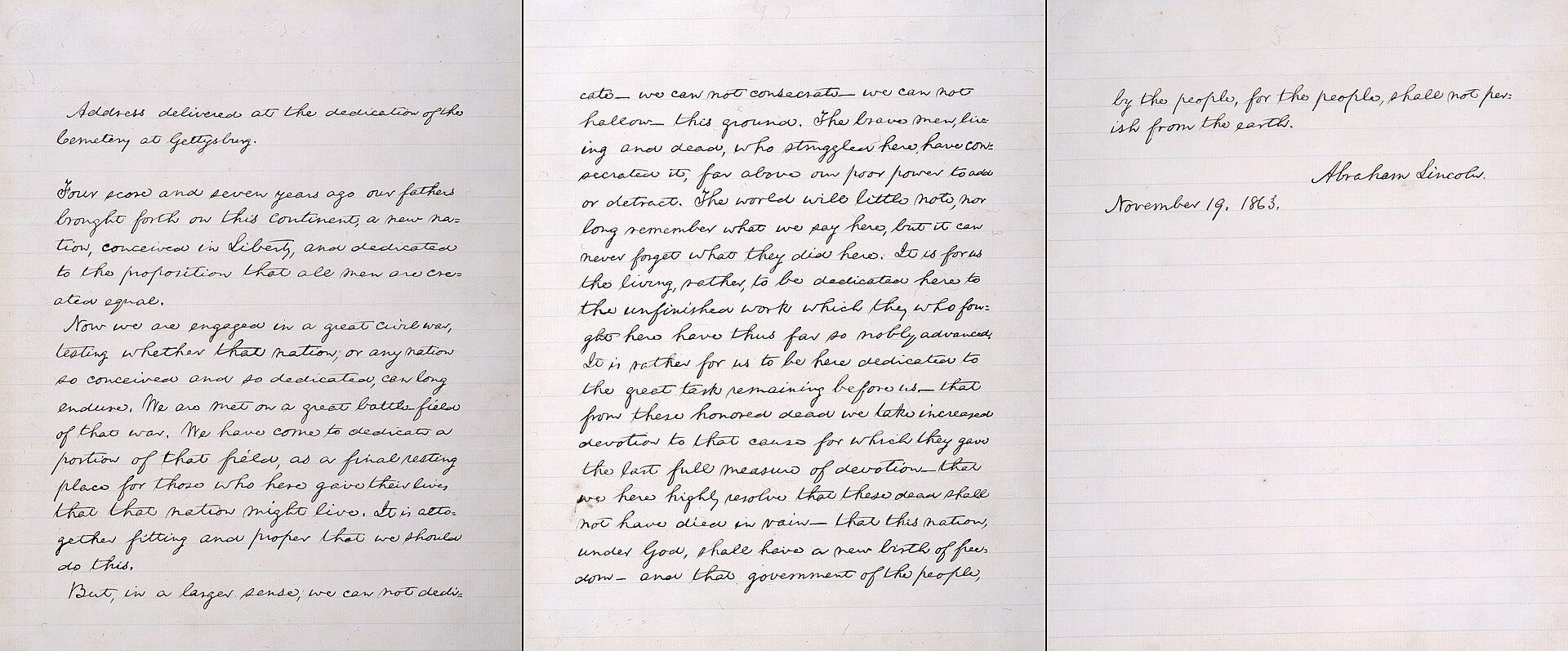
Forget the story of Lincoln scribbling the speech on an envelope on the train. A 1906 novella called The Perfect Tribute invented that one.
Page one of the Nicolay copy is in ink, in a steady hand, on Executive Mansion stationery.
Here’s the lineup:
Nicolay copy. It’s named for his secretary John Nicolay. Page one is in ink, page two in pencil, probably finished the night before. No “under God.”
Hay copy. His other secretary, John Hay, kept this one. No “under God.”
Everett copy. Written in early 1864 for a fair for Union soldiers. “Under God” appears.
Bancroft copy. Lincoln wrote it on both sides of the paper, so the printers couldn’t use it. “Under God” again.
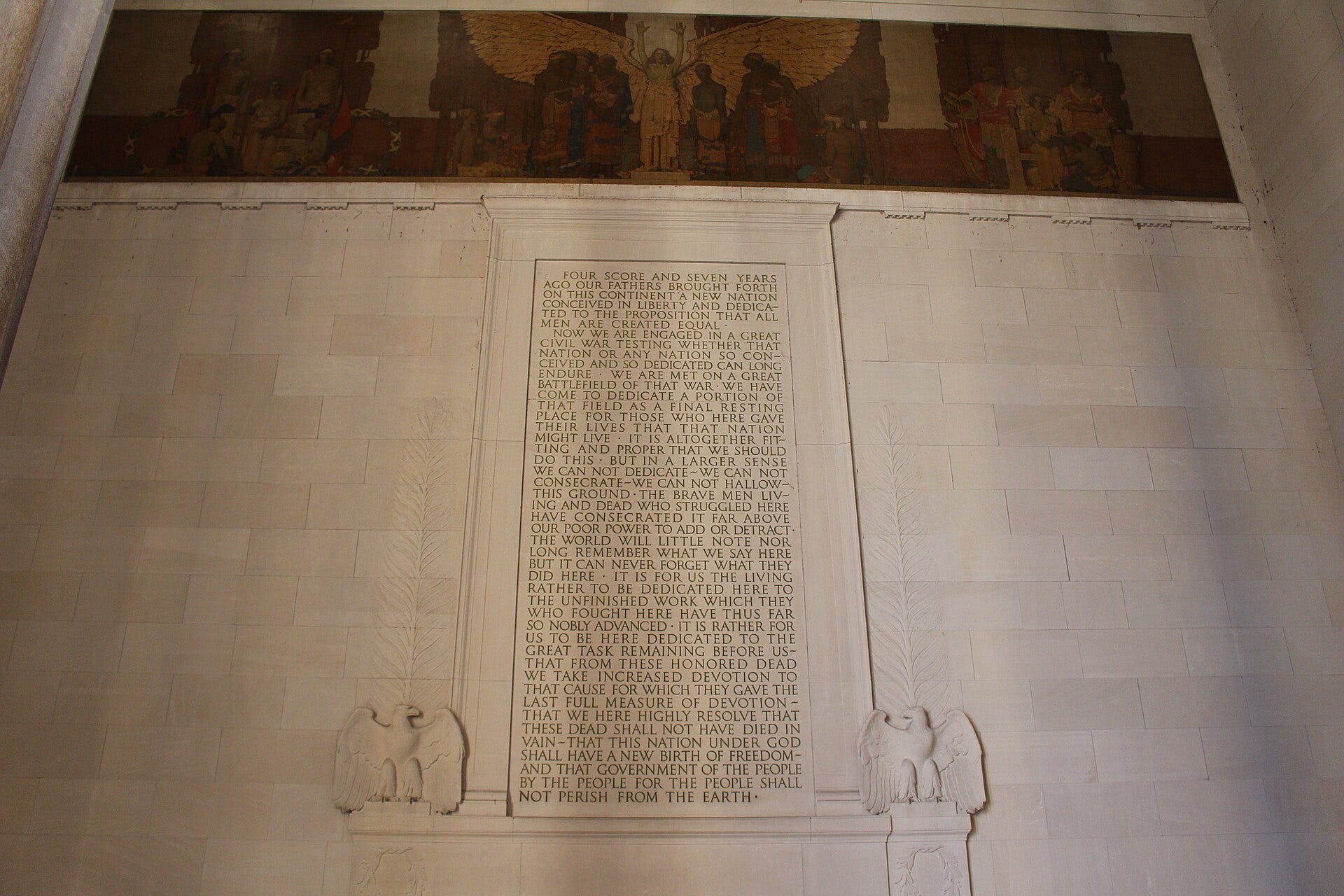
Bliss copy. The do-over, and the only one Lincoln signed. It’s carved into the Lincoln Memorial.
Every time he copied it, he tinkered. The version you memorized in fourth grade is draft number five, polished four months after the crowd went home.
I love that part.
Even an obviously great writer like Lincoln never stopped improving his speech until the morning he spoke it.
Trust the moment
John Nicolay wrote in 1894 that his copy was the one Lincoln held on the platform. But at least three reporters, including Joseph Gilbert of the Associated Press, had Lincoln saying the nation “shall, under God, have a new birth of freedom.”
Three reporters don’t all mishear the same thing. Either Lincoln read from a copy nobody has seen since, or he looked up from the page and added the words on the spot.
I believe he ad-libbed “under God” because it felt right in the moment.
Sometimes the best line isn’t on the page.
Let time decide
The Chicago Times called the speech “silly, flat, and dishwatery.” The Harrisburg Patriot & Union hoped “the veil of oblivion” would fall over it.
The best review came by mail. Everett wrote to Lincoln the next day: “I should be glad, if I could flatter myself that I came as near to the central idea of the occasion, in two hours, as you did in two minutes.”
Lincoln wrote back that he was pleased the little he said “was not entirely a failure.”
The man’s modesty always kills me.
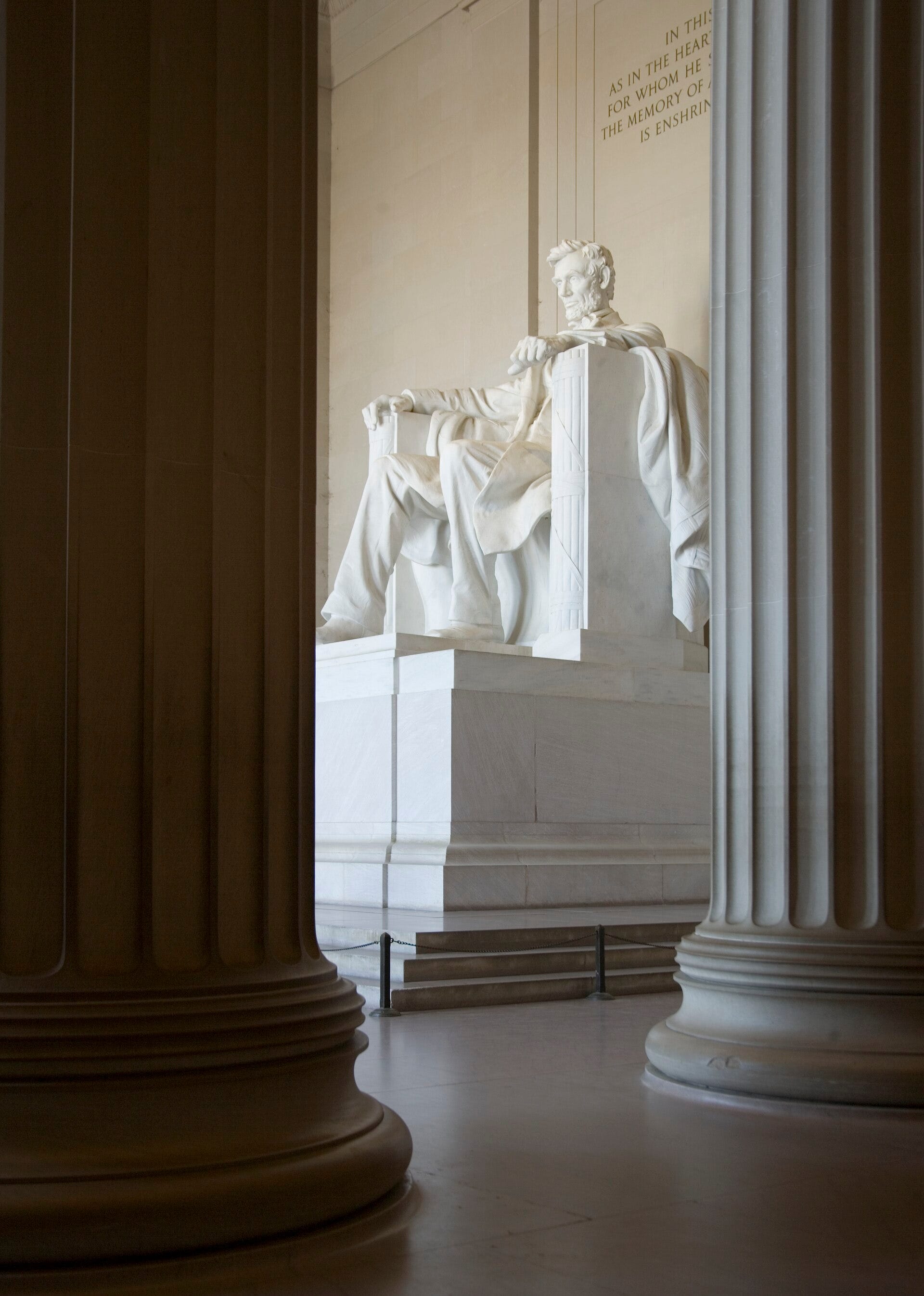
After Ford’s Theatre, the country went back through his words and found those 10 sentences waiting. In 1922, they carved them into his memorial. In 2013, the Harrisburg paper’s successor printed a retraction.
The bad reviews didn’t get the last word. The speech became American history.
What we can learn from Lincoln
Most of us will never stand on a battlefield. But all of us get asked for “a few appropriate remarks”: the toast, the eulogy, the small job nobody will remember.
Lincoln shows us that we can treat it like it matters. We can show up when we’re tired and grieving. We can keep making the work better long after the crowd wanders off and checks their newsfeeds.
And when times stink, we can focus our effort instead of scattering it.
As Marcus Aurelius put it, what stands in the way becomes the way. Lincoln proved it at Gettysburg.
He told the crowd, “The world will little note, nor long remember what we say here.”
He was wrong. Senator Charles Sumner saw it in 1865: “The battle itself was less important than the speech.”
Two minutes. 272 words. And they will never be forgotten.
Embrace beauty, reject doom, my friends ✨
Here at Past Passport, we forget the negative newsfeed and find inspiration in art, beauty, and great men. Join our community of optimists today.
A wonderful ‘Stack, Joseph. Thank you!