

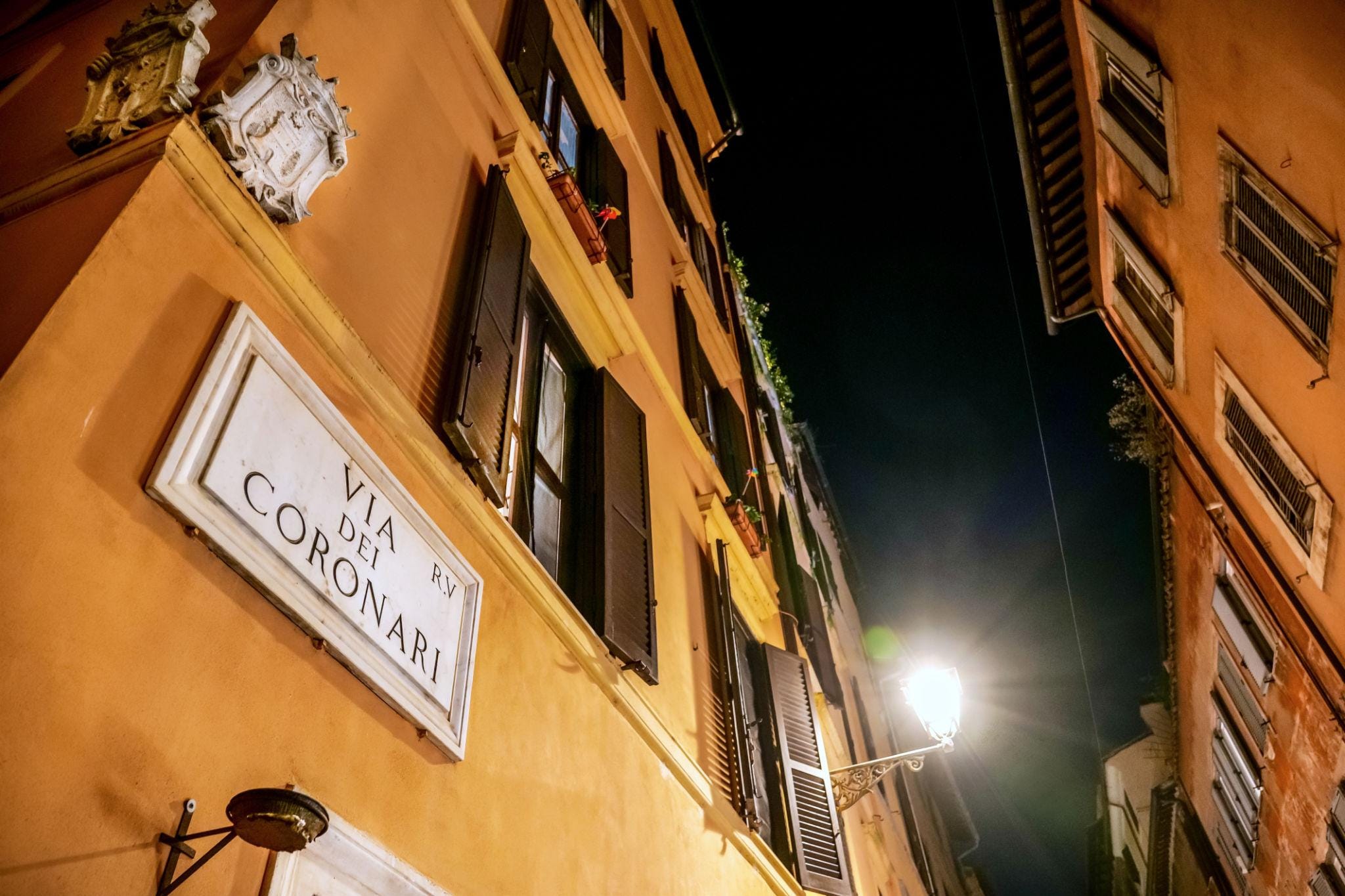
I was walking through Rome one cool December evening when the smell of food drifted out of a small family trattoria on Via dei Coronari, one of the city’s narrow cobblestone streets not far from Piazza Navona.
Garlic.
Olive oil.
Ripe tomatoes simmering slowly in a pan.
Someone inside was making carbonara — one of Rome’s legendary specialties.
In modern Rome, food odors follow you through its web of narrow streets.
But two millennia ago, the air carried very different aromas.
They often came from clay jars packed with fermenting fish.
The Romans called it garum.
Garum was one of the most popular condiments in the Roman world. Everyone ate it — wealthy senators, merchants, soldiers, slaves, and farmers.
It was made by layering small fish — or sometimes fish entrails — with large amounts of salt.
The mixture was …
