

The tower in St. Mark’s Square collapsed in 1902.
The one you see today is a near-exact replica.
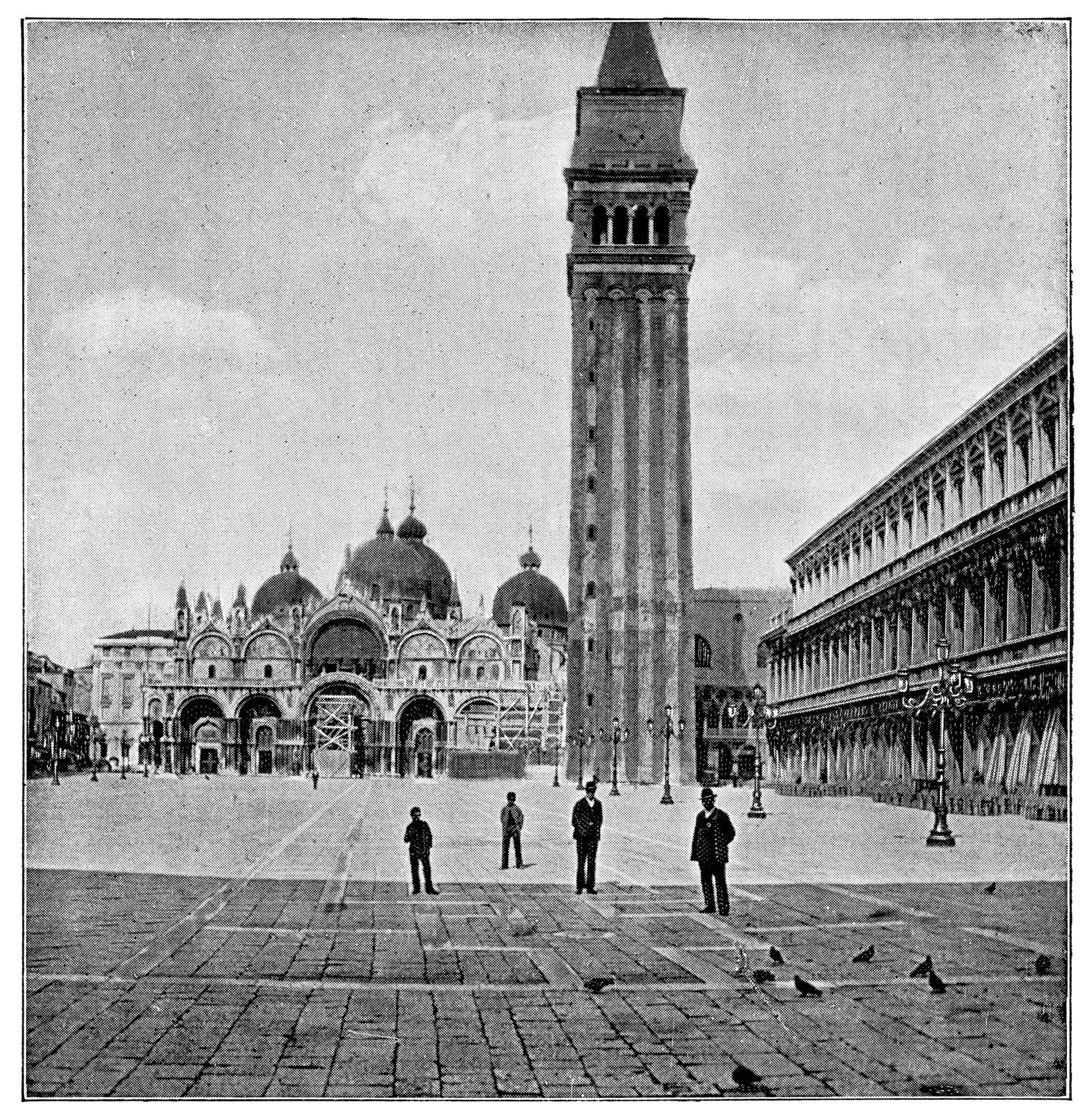
The original St. Mark’s Campanile didn’t fail suddenly. It decayed slowly—over centuries. Since its construction in the 9th century, it was patched and repaired again and again.
It wasn’t a solid stone tower. Inside, it was mostly brick, rising out of soft, swampy ground.
That was the problem.
Venice does not sit on bedrock. It rests on millions of wooden piles driven into mud. By the 1500s, the tower showed signs of strain. Cracks along the shaft. Leaning, then settling.
Repairs continued for centuries. Lightning struck it more than once. Stones shifted. The ground moved beneath it.
But it always looked fine—from the outside. Inside the tower, it was slowly deteriorating.
In the late 1800s, the damage became harder to ignore.
Widening cracks. Structural fatigue in the brick core. The weight of the bell chamber above.
Then, in Jul…
